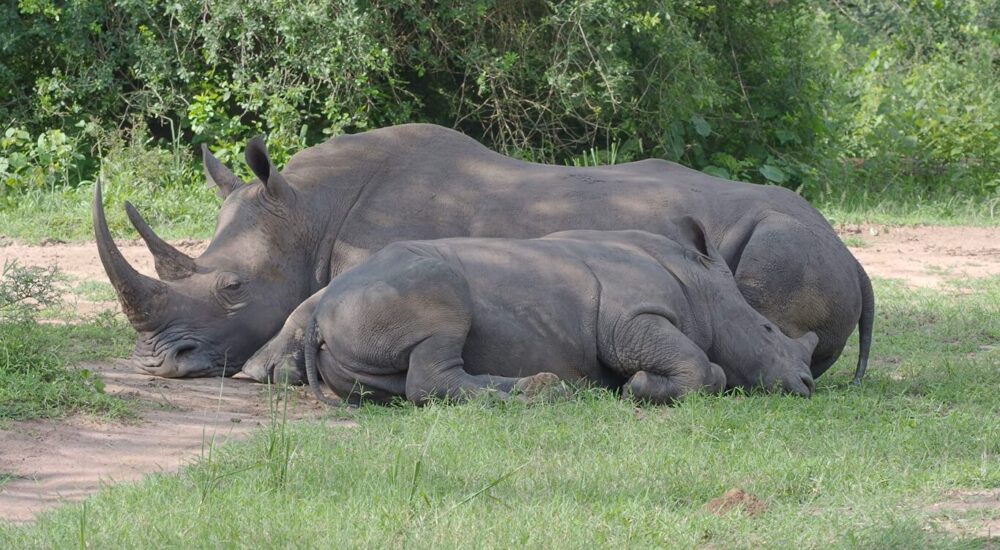
African Parks Rewilds 2,000 White Rhinos in Historic Conservation Move In a groundbreaking move hailed…

Responsible Travel Tips for African Safaris
Responsible Travel Tips for African Safaris.
African safaris offer travelers unforgettable wildlife encounters, breathtaking landscapes, and rich cultural experiences. However, as tourism continues to grow, travelers play an important role in ensuring these destinations remain protected for future generations. In 2026, responsible travel African safaris are becoming more essential than ever, as conservation, community empowerment, and environmental protection take center stage.
Choosing sustainable travel not only protects wildlife and ecosystems but also supports local communities that depend on tourism for their livelihoods. By traveling responsibly with operators like Monumental Expeditions and Safaris, visitors can enjoy authentic safari experiences while contributing positively to Africa’s natural and cultural heritage.
This comprehensive guide explores practical eco-friendly African safari tips, helping travelers minimize their impact while maximizing their experience.
1. Understanding Responsible Safari Travel
Responsible travel African safaris focus on:
-
Protecting wildlife and natural ecosystems
-
Supporting local communities and conservation efforts
-
Minimizing environmental impact
-
Promoting ethical tourism practices
Responsible safari tourism ensures that future generations can continue enjoying Africa’s incredible biodiversity.
Travelers who prioritize sustainability help preserve iconic wildlife species, including elephants, lions, gorillas, and rhinos, while supporting conservation programs across Africa.
2. Choose Ethical Safari Operators
One of the most important steps toward sustainable safari tourism is selecting the right tour operator. Ethical operators:
-
Partner with conservation organizations
-
Employ local guides and staff
-
Follow strict wildlife viewing guidelines
-
Support community-based tourism initiatives
Monumental Expeditions and Safaris is committed to conservation-focused tourism, ensuring that travelers experience Africa responsibly while contributing to local development and wildlife protection.
3. Respect Wildlife and Maintain Safe Distances
Wildlife encounters are the highlight of any safari, but responsible travelers must prioritize animal welfare.
Key Ethical Wildlife Tourism Africa Guidelines
-
Maintain safe distances from animals
-
Avoid feeding wildlife
-
Stay inside safari vehicles unless instructed otherwise
-
Avoid loud noises or sudden movements
-
Follow ranger and guide instructions at all times
For example, during gorilla trekking in Bwindi Impenetrable National Park, visitors must keep a minimum distance from gorillas to prevent disease transmission and stress.
Respecting wildlife ensures natural animal behavior and protects fragile ecosystems.
4. Support Local Communities and Cultural Preservation
Tourism can significantly improve local livelihoods when done responsibly. Travelers should:
-
Buy locally made crafts and souvenirs
-
Participate in community cultural tours
-
Stay at lodges that employ local staff
-
Respect cultural traditions and customs
-
Support local conservation initiatives
Community-based tourism helps preserve traditions while providing economic opportunities for rural communities.
5. Reduce Environmental Impact During Safaris
Eco-conscious travelers can reduce their environmental footprint by following simple practices:
Eco-Friendly African Safari Tips
-
Carry reusable water bottles
-
Avoid single-use plastics
-
Use biodegradable toiletries
-
Dispose of waste responsibly
-
Choose eco-certified safari lodges
-
Limit water and energy consumption
Many luxury and mid-range lodges now implement solar energy, water recycling, and sustainable construction practices to support conservation.
6. Choose Eco-Friendly Safari Lodges
Sustainable lodges play a vital role in conservation. Responsible travelers should look for lodges that:
-
Use renewable energy sources
-
Support wildlife conservation programs
-
Employ local communities
-
Implement waste reduction and recycling programs
-
Promote responsible water usage
Eco-lodges often provide authentic experiences while minimizing environmental impact.
7. Travel During Off-Peak Seasons
Traveling during shoulder or off-peak seasons supports sustainable safari tourism by:
-
Reducing overcrowding in national parks
-
Allowing better wildlife experiences
-
Supporting local businesses year-round
-
Lowering environmental pressure on ecosystems
Responsible travel ensures wildlife habitats remain protected while benefiting tourism communities.
8. Follow Responsible Photography Practices
Safari photography is exciting, but ethical photography is essential.
Responsible Photography Guidelines
-
Avoid using flash near wildlife
-
Maintain safe viewing distances
-
Do not disrupt animals for better photos
-
Respect community privacy when taking cultural photos
-
Follow park photography regulations
Responsible photography ensures wildlife remains undisturbed and communities feel respected.
9. Participate in Conservation Activities
Many safaris now offer conservation-focused experiences, including:
-
Wildlife monitoring programs
-
Tree planting initiatives
-
Community conservation projects
-
Educational tours with park rangers
-
Gorilla conservation awareness activities
Travelers participating in conservation activities contribute directly to protecting Africa’s biodiversity.
10. Pack Responsibly for African Safaris
Responsible packing supports eco-friendly safari travel.
Recommended Sustainable Packing Tips
-
Pack reusable shopping bags
-
Bring eco-friendly sunscreen and insect repellents
-
Use rechargeable batteries
-
Avoid disposable plastic packaging
-
Carry refillable toiletry containers
Sustainable packing reduces environmental waste and promotes conservation.
11. Respect Park Rules and Regulations
African national parks enforce strict rules to protect wildlife and ecosystems. Responsible travelers must:
-
Follow park entry and exit guidelines
-
Avoid littering or damaging vegetation
-
Stay on designated safari routes
-
Respect wildlife viewing time limits
-
Follow ranger and guide instructions
Following regulations ensures sustainable tourism and protects endangered species.
12. Offset Your Carbon Footprint
Air travel contributes to environmental impact, but travelers can reduce their footprint by:
-
Supporting carbon offset programs
-
Choosing direct flights when possible
-
Supporting conservation organizations
-
Booking eco-friendly safari tours
Responsible travel helps balance tourism growth with environmental protection.
13. Learn About Conservation Before Traveling
Understanding conservation challenges enhances responsible travel.
Travelers should research:
-
Wildlife conservation efforts
-
Community tourism programs
-
Environmental challenges facing safari destinations
-
National park conservation policies
Education encourages responsible behavior and promotes sustainable tourism.
14. Avoid Exploitative Wildlife Experiences
Ethical safari tourism discourages activities that harm animals, including:
-
Wildlife petting or captive animal attractions
-
Unregulated wildlife interactions
-
Entertainment involving wild animals
Responsible safaris focus on observing wildlife in natural habitats rather than forced interactions.
15. Support Sustainable Gorilla Trekking Practices
Gorilla trekking is one of Africa’s most iconic experiences but requires strict conservation measures.
Responsible Gorilla Trekking Tips
-
Follow health guidelines before trekking
-
Maintain distance from gorillas
-
Limit trekking group sizes
-
Avoid trekking if ill
-
Follow ranger instructions carefully
Sustainable gorilla trekking supports conservation while protecting endangered mountain gorilla.
16. Travel With Responsible Safari Guides
Experienced guides play a major role in sustainable tourism. Responsible guides:
-
Educate travelers about wildlife conservation
-
Promote ethical safari practices
-
Ensure safety and environmental protection
-
Support local community engagement
Choosing professional safari guides enhances both safety and sustainability.
17. Encourage Responsible Travel Awareness
Travelers can promote responsible safari tourism by:
-
Sharing conservation awareness on social media
-
Supporting ethical tourism campaigns
-
Educating fellow travelers about sustainable practices
-
Supporting conservation charities and organizations
Responsible tourism grows when travelers actively promote sustainability.
18. Why Responsible Travel Matters for Africa’s Future
Responsible travel helps:
-
Protect endangered wildlife species
-
Preserve ecosystems and biodiversity
-
Support local economies
-
Maintain cultural heritage
-
Promote sustainable tourism development
By choosing ethical safari experiences, travelers contribute to preserving Africa’s natural wonders for generations.
19. Why Choose Monumental Expeditions and Safaris for Responsible Travel
Monumental Expeditions and Safaris prioritizes sustainable safari tourism by:
-
Supporting conservation programs
-
Partnering with local communities
-
Offering eco-friendly safari packages
-
Promoting ethical wildlife viewing
-
Providing personalized and responsible travel experiences
Travelers who book with Monumental Expeditions enjoy authentic adventures while contributing to conservation and community development.
20. Conclusion: Travel Responsibly, Experience Africa Authentically
African safaris provide extraordinary wildlife encounters and cultural experiences, but responsible travel ensures these destinations remain protected. By following responsible travel African safaris guidelines, travelers can minimize environmental impact, support conservation, and empower local communities.
Sustainable safari tourism allows visitors to enjoy Africa’s natural beauty while preserving it for future generations.
Plan your trip, today.
Related Posts