
Imbalu Circumcision Ceremony: A Cultural Rite of Passage in Uganda The Imbalu Circumcision Ceremony is…
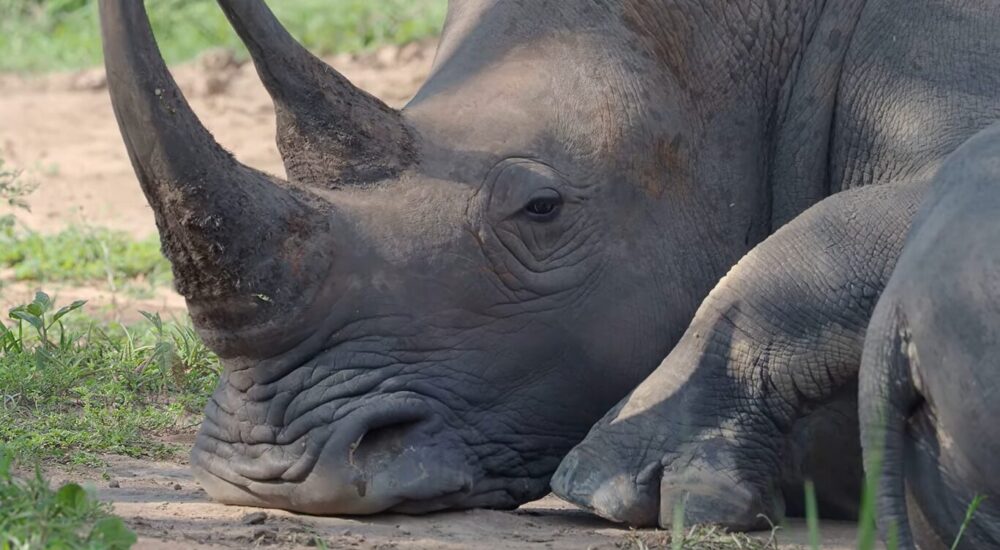
How African Safaris Support Wildlife Conservation
How African Safaris Support Wildlife Conservation
African safaris are often seen as luxury vacations or adventurous getaways. Yet, beyond the breathtaking landscapes and close encounters with wildlife, African safaris play a critical role in wildlife conservation. When done responsibly, safaris contribute to protecting endangered species, preserving habitats, and supporting local communities.
Monumental Expeditions and Safaris (www.gorillatrackings.com) is committed to providing eco-conscious and family-friendly safari experiences that help safeguard Africa’s incredible wildlife for future generations.
The Connection Between Safaris and Conservation
Tourism revenue from safaris provides a lifeline for wildlife conservation. The fees paid by travelers for park entry, guided tours, and accommodations are directly reinvested into preserving habitats, supporting anti-poaching initiatives, and funding research.
Here’s how African safaris contribute to wildlife conservation:
-
Funding Protected Areas: National parks and wildlife reserves rely heavily on tourism revenue. Safaris help maintain infrastructure, ranger patrols, and habitat preservation.
-
Anti-Poaching Efforts: Safaris generate funds that support anti-poaching units, enabling rangers to protect endangered species such as elephants, rhinos, and mountain gorillas.
-
Community Support: Many safari operators, including Monumental Expeditions, collaborate with local communities to provide employment opportunities, education, and conservation awareness programs.
-
Research and Monitoring: Safari fees help finance scientific research, enabling conservationists to track species populations, study behavior, and implement protection strategies.
Responsible safari tourism transforms a vacation into a meaningful contribution to wildlife conservation in Africa, making travelers active participants in preserving nature.
Key Wildlife Conservation Efforts Supported by Safaris
1. Protecting Endangered Species
One of the most visible impacts of safaris is the protection of endangered animals. Parks like Bwindi Impenetrable Forest in Uganda rely on gorilla trekking tourism to fund anti-poaching patrols. Every gorilla trekking permit purchased contributes directly to:
-
Patrols protecting mountain gorillas from poaching
-
Veterinary support for injured wildlife
-
Community programs that discourage hunting
Similarly, parks across Kenya and Tanzania use safari revenue to safeguard lions, elephants, rhinos, and other threatened species.
2. Anti-Poaching and Law Enforcement
Illegal poaching remains one of the biggest threats to African wildlife. Safari tourism provides the resources needed to employ trained rangers, equip them with vehicles, and deploy modern surveillance technology.
-
GPS tracking collars help monitor animal movements
-
Drones and cameras enhance anti-poaching surveillance
-
Community rangers create local employment while deterring illegal activities
Safaris, therefore, play a dual role: they give tourists unforgettable wildlife experiences while funding critical law enforcement to protect those same animals.
3. Habitat Preservation
Many species rely on specific ecosystems to survive. Safari-generated income helps preserve grasslands, forests, and wetlands by maintaining protected areas and preventing deforestation.
-
National parks use funds for fire management, anti-encroachment measures, and invasive species control
-
Safaris indirectly reduce habitat loss by providing communities with sustainable economic alternatives to land conversion or logging
Without safari tourism, many of these ecosystems would struggle to survive under financial pressures.
4. Community Engagement and Education
Conservation works best when local communities are involved. Safari operators often invest in community-based conservation projects, providing education and alternative livelihoods.
-
Schools near national parks teach children about wildlife preservation
-
Local artisans and guides benefit from tourism employment, reducing reliance on hunting or deforestation
-
Community awareness campaigns encourage sustainable practices
Families and travelers participating in these safaris also learn about the importance of wildlife protection, spreading conservation awareness globally.
Eco-Friendly and Responsible Safari Practices
Modern sustainable safari tours focus on minimizing environmental impact while maximizing conservation benefits. Responsible safari operators, including Monumental Expeditions, follow strict guidelines:
-
Low-Impact Lodging: Eco-lodges and tented camps minimize disruption to wildlife and reduce carbon footprints.
-
Waste Management: Lodges implement recycling programs and proper waste disposal to protect local ecosystems.
-
Guided Safaris with Rules: Guests are educated on wildlife safety, avoiding close contact, feeding, or disturbing animals.
-
Community Integration: Support for local communities ensures that tourism benefits residents and encourages conservation-minded behavior.
By choosing these responsible options, travelers become active contributors to wildlife conservation in Africa, turning their holiday into a force for good.
Examples of Safaris Supporting Conservation
Gorilla Trekking in Uganda
One of the most famous conservation-linked safari experiences is gorilla trekking in Bwindi Impenetrable Forest. The government and tour operators allocate permit fees to:
-
Protect gorilla habitats
-
Employ rangers and trackers
-
Support veterinary care for gorillas
Visitors not only witness these incredible primates but also contribute directly to their survival.
Elephant Conservation in Amboseli, Kenya
In Amboseli National Park, safari revenue helps fund elephant protection programs. Visitors’ park fees assist with:
-
Anti-poaching patrols
-
Satellite tracking of elephant herds
-
Community education programs to reduce human-wildlife conflicts
Rhino Protection in Tanzania
Tanzania’s safaris contribute to rhino conservation through:
-
Sanctuary funding and anti-poaching patrols
-
Rehabilitation programs for injured or orphaned rhinos
-
Awareness campaigns to combat illegal wildlife trade
These examples demonstrate how responsible safari tourism directly benefits endangered wildlife across Africa.
How Tourists Can Maximize Their Impact
As a traveler, you can play a crucial role in supporting wildlife conservation during your safari:
-
Choose Responsible Operators: Book with companies like Monumental Expeditions and Safaris, which prioritize sustainability and community development.
-
Respect Wildlife Guidelines: Follow ranger instructions, maintain safe distances, and avoid disturbing animals.
-
Support Local Communities: Purchase crafts, participate in cultural activities, and engage with local guides.
-
Minimize Environmental Impact: Avoid single-use plastics, conserve water, and reduce energy consumption at lodges.
Every conscious choice made during your safari enhances the positive impact on wildlife conservation and local communities.
The Role of Family and Group Safaris
Family safaris not only educate children about wildlife but also instill a lifelong commitment to conservation. Children who experience Africa’s ecosystems firsthand often become advocates for environmental protection. Monumental Expeditions provides family-friendly safaris that combine adventure, education, and conservation awareness.
-
Interactive wildlife lessons for children
-
Guided nature walks with emphasis on ecology and animal behavior
-
Cultural exchanges with local communities to understand sustainable living
This hands-on approach helps families understand that their safari holiday can make a meaningful difference.
Booking Your Conservation-Supporting Safari
Booking a safari through a responsible operator ensures that your travel contributes directly to wildlife protection. Monumental Expeditions and Safaris provides:
-
Custom itineraries designed to maximize conservation impact
-
Expert guides trained in sustainable tourism and wildlife education
-
Secure accommodations with eco-friendly practices
-
Support for local communities through employment and cultural programs
Book your eco-conscious African safari today and become part of the solution for wildlife conservation.
Conclusion
African safaris are far more than a vacation—they are an investment in the survival of Africa’s magnificent wildlife. By choosing responsible, sustainable safari tours, travelers contribute to anti-poaching efforts, habitat preservation, scientific research, and community development.
With Monumental Expeditions and Safaris, your adventure supports wildlife conservation in Africa, transforming every moment of your holiday into meaningful action. Whether you are trekking mountain gorillas in Uganda, spotting elephants in Kenya, or observing rhinos in Tanzania, your safari experience is a vital part of preserving Africa’s natural heritage for generations to come.
Plan Your Conservation Safari Today – Explore, enjoy, and protect Africa’s wildlife.
Related Posts