Gorilla tracking tours from Mirama Hills – Bwindi impenetrable National park and Mgahinga Gorilla National…
Silverback, Juvenile, and Gorilla Family Units | Gorilla safaris
Silverback, Juvenile, and Gorilla Family Units: Inside the Powerful Social World of Mountain Gorillas
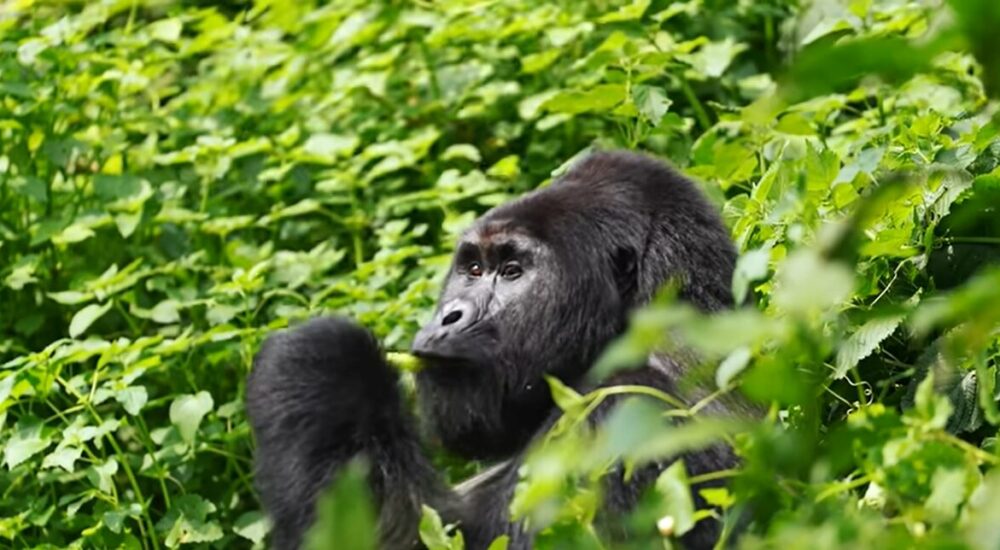
When travelers dream of gorilla trekking in Africa, the image that often comes to mind is a massive silverback gorilla emerging silently from the misty forest. Yet behind that powerful presence lies an intricate and deeply emotional gorilla family unit—a structured society built on leadership, protection, learning, and kinship.
At Monumental Expeditions and Safaris, we believe that understanding silverbacks, juvenile gorillas, and gorilla family dynamics transforms a wildlife encounter into a life-changing experience. This article explores the fascinating social structure of gorilla groups and explains why witnessing them in their natural habitat is one of the most meaningful travel experiences on Earth.
Understanding Gorilla Family Units
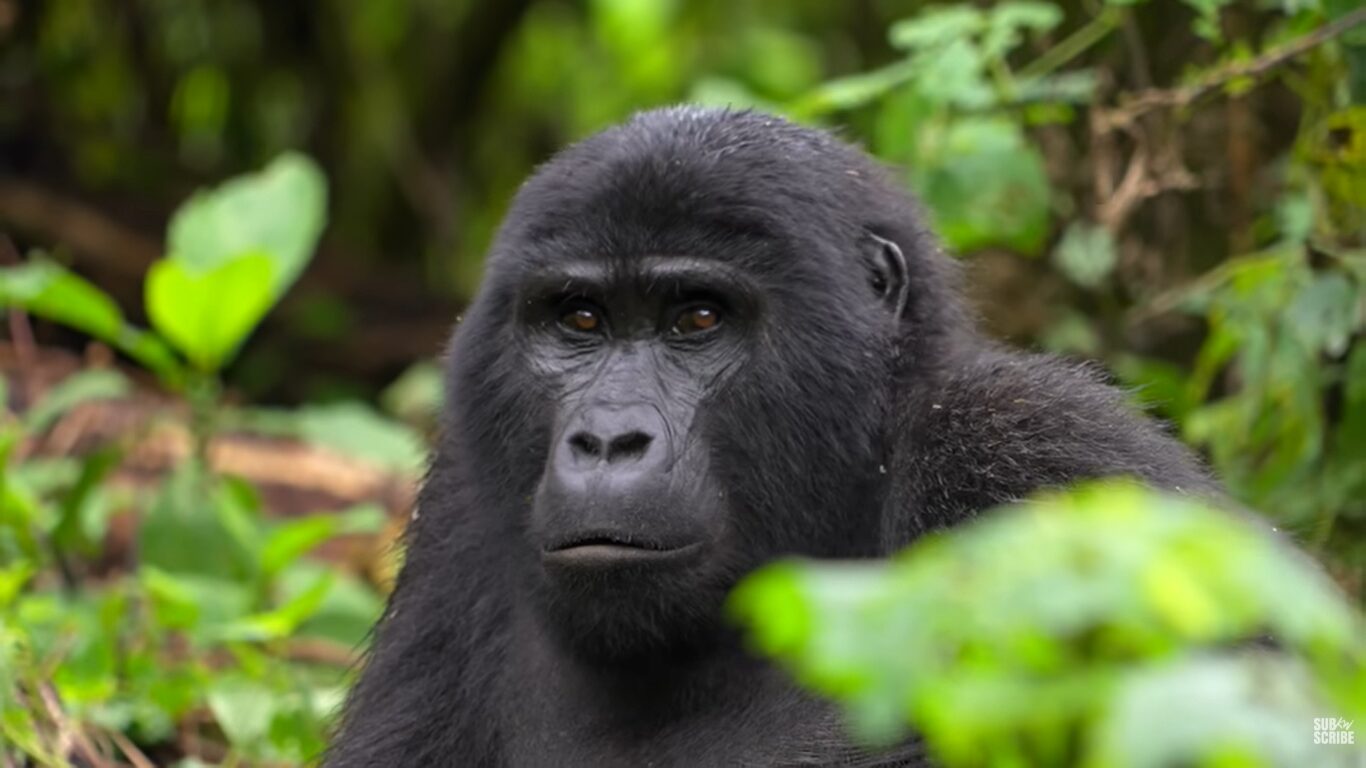
A gorilla family unit, also called a troop or group, is a stable social structure led by a dominant male. These units are commonly found in Bwindi Impenetrable National Park (Uganda), Volcanoes National Park (Rwanda), and Virunga National Park (DR Congo)—the heart of mountain gorilla trekking safaris.
A typical gorilla family consists of:
-
One dominant silverback
-
One or more subordinate males (blackbacks)
-
Adult females
-
Juvenile gorillas
-
Infants
Each member plays a vital role in maintaining harmony, survival, and continuity of the group.
The Silverback Gorilla: Leader, Protector, and Patriarch
What Is a Silverback Gorilla?
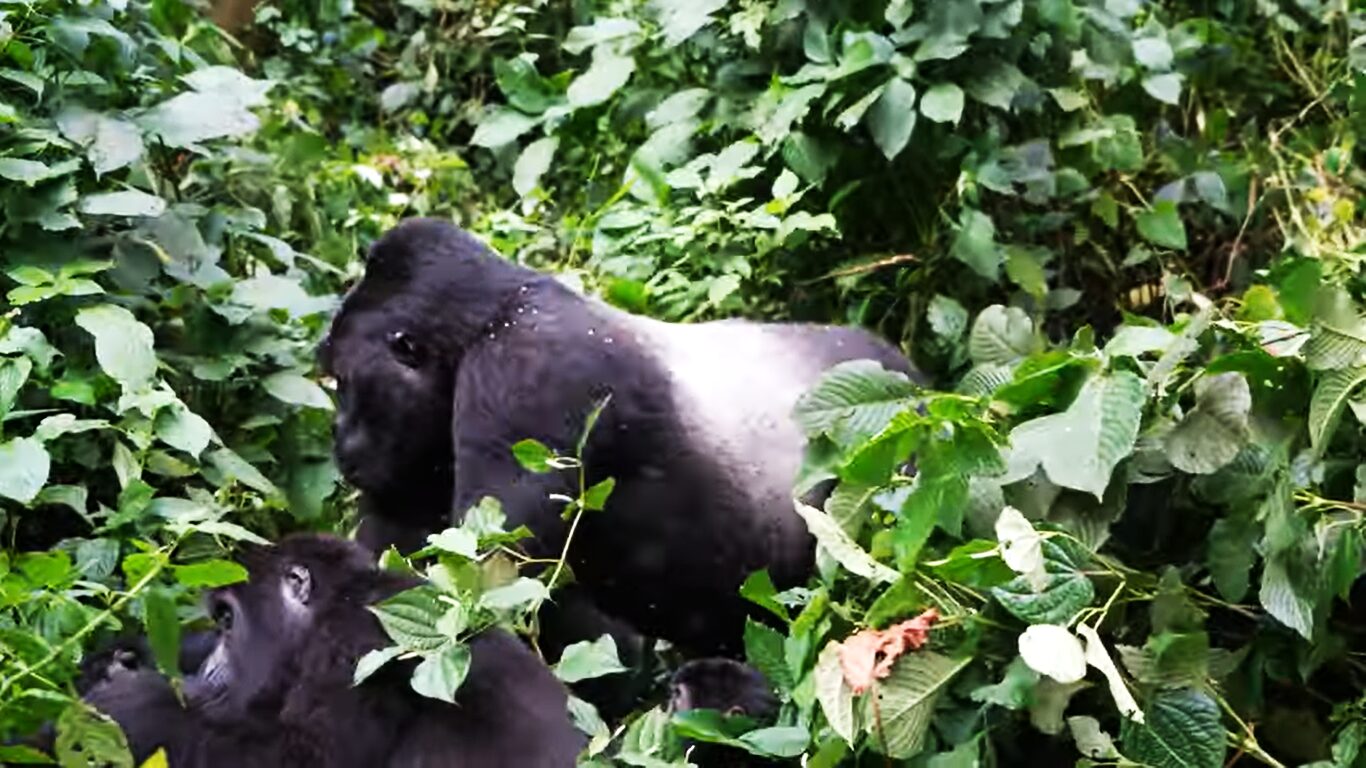
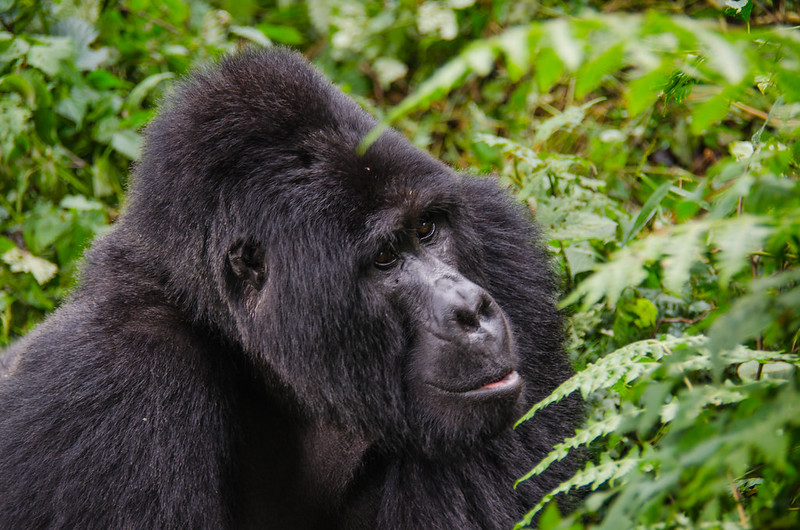
A silverback gorilla is a mature adult male, usually over 12 years old, distinguished by the silver-colored hair running down his back. Silverbacks can weigh up to 200 kg (440 lbs) and possess extraordinary strength—up to 10 times stronger than an adult human.
But physical power alone does not define a silverback.
Role of the Silverback in Gorilla Families
The silverback is the backbone of the gorilla family unit. His responsibilities include:
-
Protection from predators and external threats
-
Decision-making, such as when and where the group feeds or rests
-
Mediating conflicts within the group
-
Leading during travel through dense forests
-
Mating rights with adult females
During a gorilla trekking safari, observing a silverback calmly monitoring his family is a powerful reminder of natural leadership.
Silverback Behavior and Communication
Silverbacks communicate using:
-
Chest beating
-
Roars and grunts
-
Body postures
-
Eye contact
Contrary to popular belief, chest beating is often a display of confidence, not aggression. Most silverbacks are calm, thoughtful leaders who avoid unnecessary conflict.
Blackbacks: The Rising Leaders
Blackbacks are younger adult males, typically aged 8–12 years, who have not yet developed the signature silver hair.
Role of Blackbacks in the Family Unit
-
Act as secondary protectors
-
Assist in defending the group
-
Learn leadership skills by observing the silverback
-
Eventually may leave to form their own families
Many future silverbacks begin their journey as blackbacks—making them an essential part of gorilla social evolution.
Adult Female Gorillas: The Emotional Core of the Group
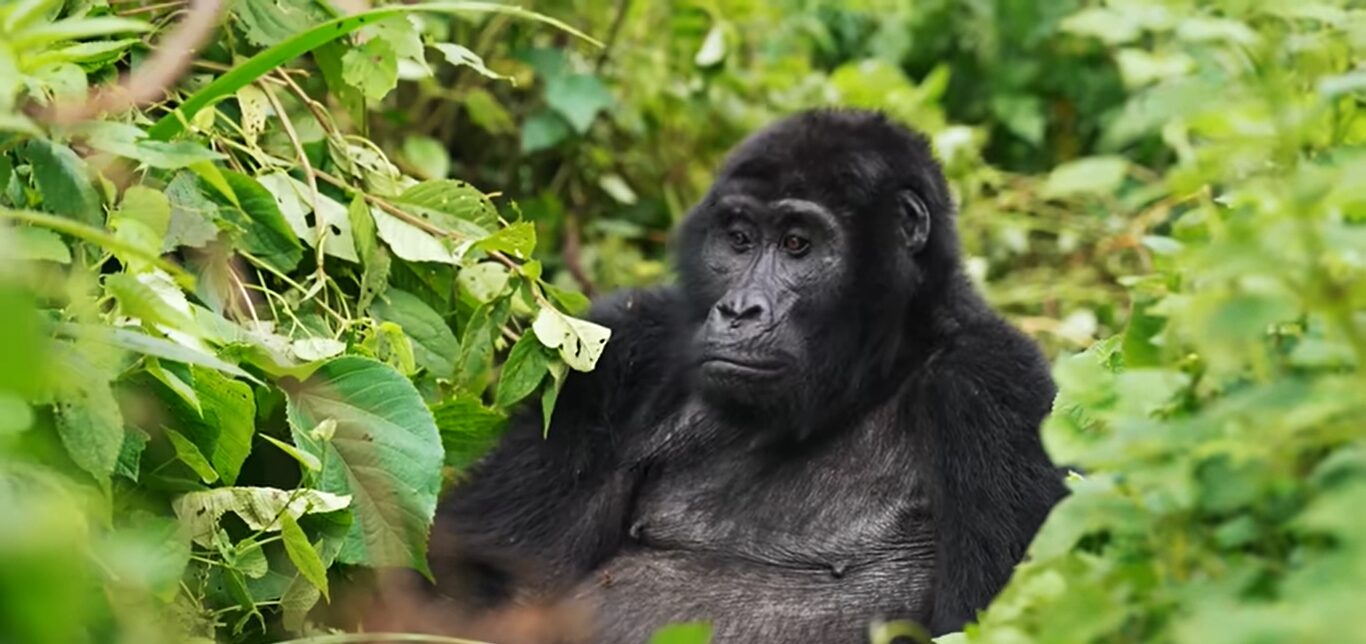
Female gorillas form the social and emotional foundation of the family unit.
Responsibilities of Female Gorillas
-
Nurturing infants and juveniles
-
Maintaining social bonds
-
Choosing mates (often migrating between groups)
-
Teaching survival behaviors to young gorillas
Female gorillas are highly intelligent and emotionally expressive, often seen grooming one another and their young.
Juvenile Gorillas: The Playful Heart of the Forest
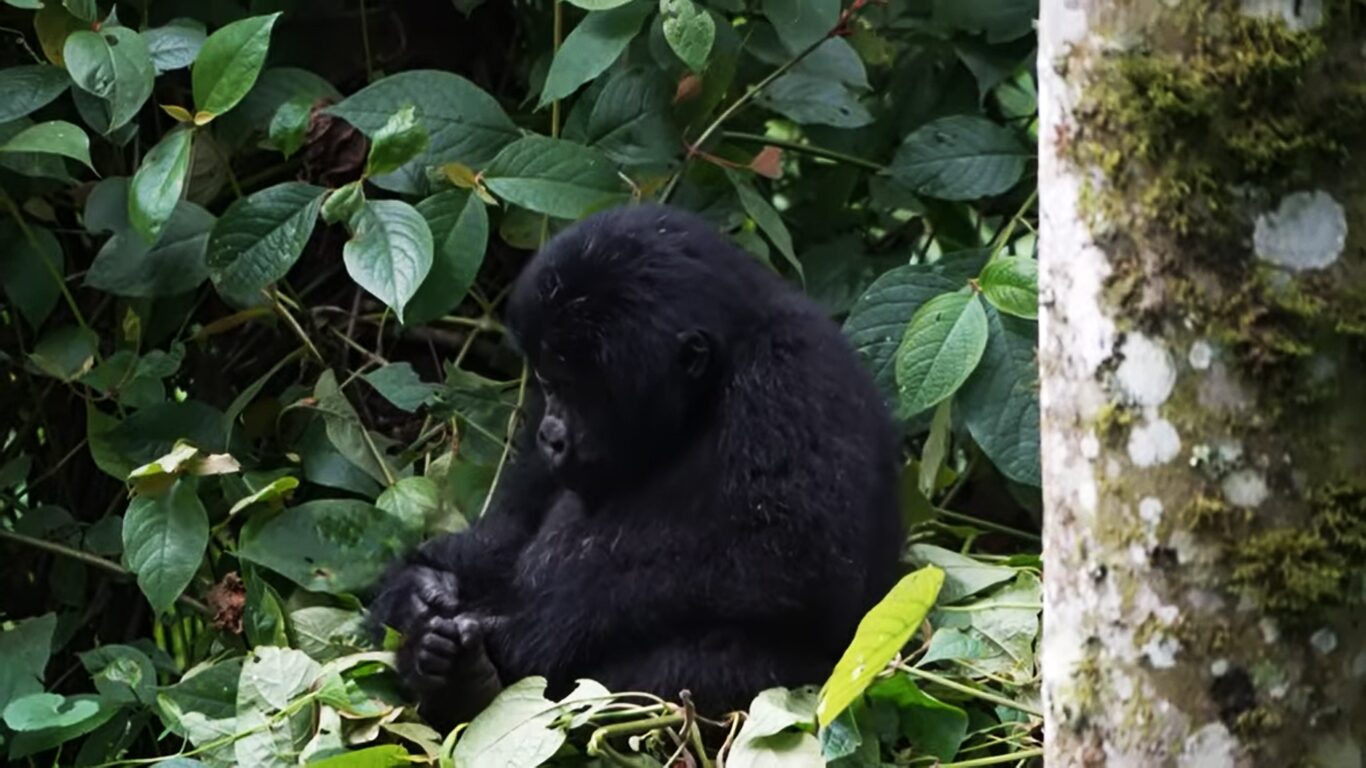
Who Are Juvenile Gorillas?
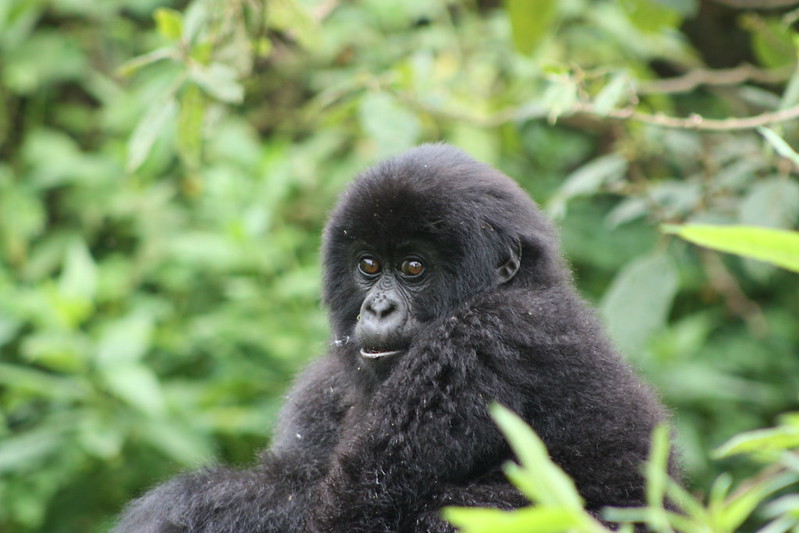
Juvenile gorillas are typically aged 3–6 years. They are weaned but still rely heavily on adult protection.
Behavior and Learning
Juveniles are:
-
Highly playful
-
Curious and energetic
-
Constantly learning survival skills
-
Practicing climbing, wrestling, and social interactions
Watching juvenile gorillas play is often a highlight of gorilla trekking tours—their human-like behaviors create deep emotional connections for visitors.
Why Juvenile Gorillas Matter
Juveniles represent:
-
The future of gorilla conservation
-
The success of protected habitats
-
The importance of sustainable tourism
At Monumental Expeditions and Safaris, we emphasize responsible tourism to ensure juveniles grow into healthy adults.
Infant Gorillas: Symbols of Hope
Infant gorillas stay close to their mothers for the first 3–4 years of life.
Key Characteristics
-
Constant physical contact with the mother
-
Gradual exploration of surroundings
-
Strong emotional bonds
-
Frequent play with juveniles
The birth of an infant gorilla is a celebrated event within the family and a strong indicator of a thriving ecosystem.
How Gorilla Families Interact with Their Environment
Gorilla families are semi-nomadic, moving within a defined home range.
Daily Routine of a Gorilla Family
-
Early morning feeding
-
Midday rest
-
Afternoon foraging
-
Nest building in the evening
They feed primarily on:
-
Leaves
-
Shoots
-
Bark
-
Wild fruits
Their movement patterns help regenerate forest vegetation, making gorillas vital to ecosystem health.
Gorilla Family Units and Conservation Success
Thanks to conservation efforts and eco-tourism, mountain gorillas are one of the few great ape species whose population is increasing.
Role of Gorilla Trekking Tourism
-
Funds anti-poaching patrols
-
Supports local communities
-
Promotes habitat protection
-
Encourages global awareness
When you travel with Monumental Expeditions and Safaris, your journey directly contributes to gorilla conservation.
Experiencing Gorilla Family Units on Safari
What to Expect on a Gorilla Trek
-
Guided hikes through rainforest terrain
-
One hour with a habituated gorilla family
-
Close observation of silverbacks, juveniles, and infants
-
Strict conservation guidelines to protect gorillas
The moment you lock eyes with a silverback or watch juveniles play is unforgettable.
Why Choose Monumental Expeditions and Safaris
At Monumental Expeditions and Safaris, we specialize in:
-
Ethical gorilla trekking safaris
-
Expert local guides
-
Customized luxury and mid-range tours
-
Conservation-focused travel
We don’t just show you gorillas—we help you understand their world.
Best Destinations to See Gorilla Family Units
-
Bwindi Impenetrable National Park – Uganda
-
Volcanoes National Park – Rwanda
-
Virunga National Park – DR Congo
Each destination offers unique gorilla families with distinct personalities and dynamics.
Responsible Travel Tips for Gorilla Encounters
-
Maintain a minimum distance
-
Avoid direct eye contact
-
Follow guide instructions
-
Do not trek if sick
-
Respect gorilla behavior
Responsible tourism ensures these families thrive for generations.
Conclusion: A Window into Gorilla Society
Understanding silverbacks, juvenile gorillas, and gorilla family units adds depth to every gorilla trekking experience. These intelligent primates mirror our own social structures—leadership, care, learning, and family bonds.
A journey with Monumental Expeditions and Safaris is more than a trip; it’s an encounter with one of nature’s most extraordinary societies.
Related Posts