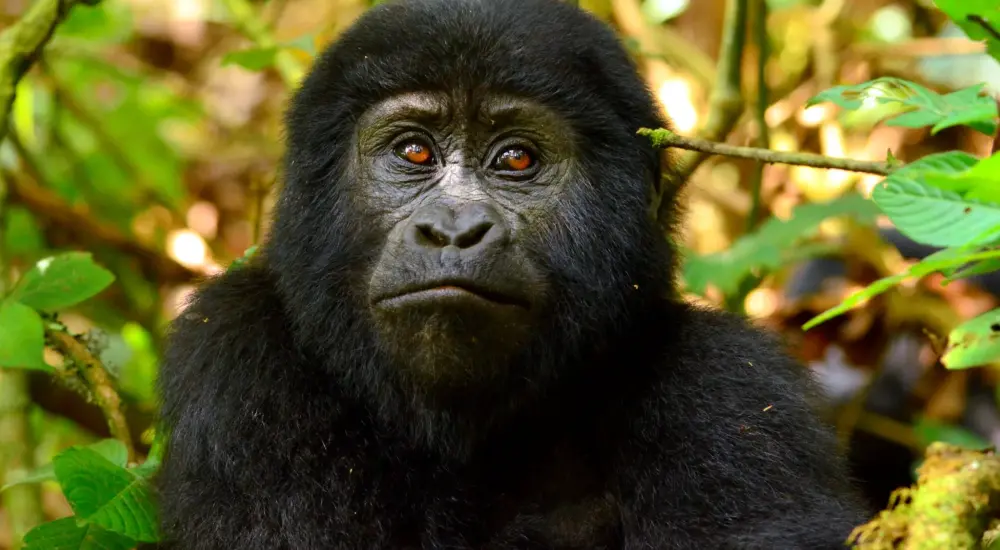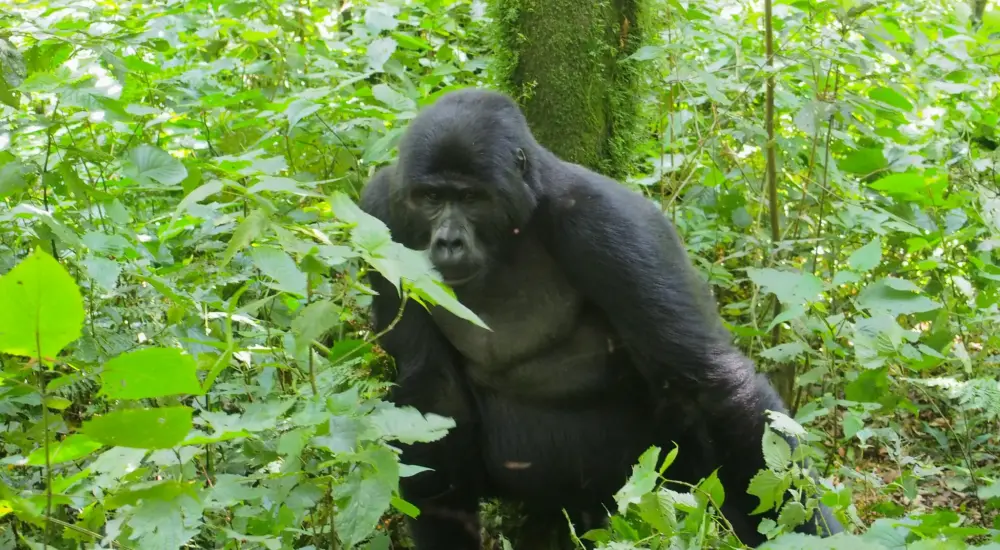
Gorilla Trekking in Uganda, is it really worth it? These Gentle Giants (Mountain Gorillas) can…
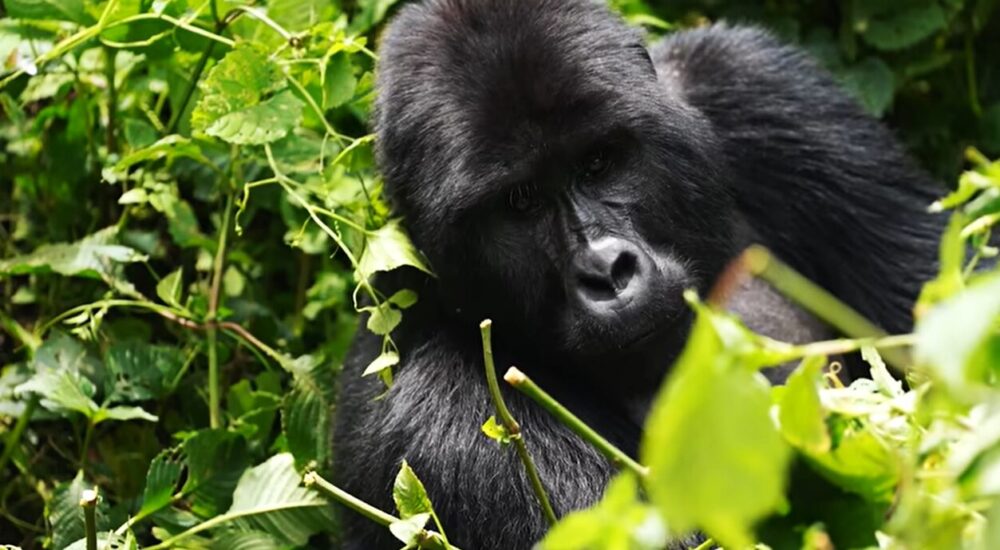
Do Gorillas Recognize Humans? | Gorilla safaris
Do Gorillas Recognize Humans? Understanding Gorilla Intelligence and Human Interaction
Do Gorillas Really Recognize Humans?
One of the most common questions among travelers preparing for gorilla trekking in Uganda, Rwanda, Congo, and Gabon is whether gorillas can actually recognize humans. The simple answer is yes—habituated gorillas do recognize and remember humans, especially the rangers, trackers, and researchers they interact with regularly.
However, the science behind this recognition goes deeper than just eye contact or physical presence. Gorillas use a complex blend of visual recognition, smell, behavioral cues, and memory to identify familiar humans and assess whether they pose any threat. Understanding this fascinating relationship helps trekkers feel more confident and respectful during their once-in-a-lifetime experience.
If you’re planning your own gorilla adventure, companies like Monumental Expeditions and Safaris offer guided experiences across East and Central Africa.
What Makes Gorilla Recognition Possible?
1. Advanced Intelligence and Social Awareness
Gorillas are among the most intelligent animals on the planet. Their brain structure—particularly the areas responsible for memory and social interaction—is highly developed. This makes them capable of recognizing:
-
Individual gorillas within their group
-
Familiars such as trackers and researchers
-
Human behavior patterns over time
Because of this intelligence, gorillas are quick to understand when humans are safe, predictable, and non-threatening.
2. Visual Recognition: They Know Who You Are
Although tourists only spend one hour with gorillas during trekking, the animals spend months or years seeing researchers and guides. Over time, they build familiarity through:
-
Facial recognition
-
Body size and shape
-
Clothing patterns they regularly see on trackers
-
Walking style and posture
This is exactly why habituated gorilla families are calm and relaxed around human visitors.
3. The Role of Smell in Recognition
Gorillas have a strong sense of smell and use scent to distinguish between friend and stranger. Humans emit subtle scents, and habituated gorillas become familiar with the scent of their daily visitors—particularly rangers who follow them in the forest.
While a tourist’s scent might be new, gorillas recognize that trekkers come with the familiar scent of their trusted trackers, which reassures them.
4. Recognizing Human Behavior
Gorillas pay close attention to human behavior. They read body language, movement, and emotional cues far better than most people imagine.
They will instantly sense:
-
Calmness
-
Fear
-
Aggression
-
Sudden movements
-
Confidence
Because trained trackers use calm, consistent gestures and avoid direct eye contact, gorillas associate this behavior with peace, safety, and respect.
Habituation: The Key to Human Recognition
What Is Gorilla Habituation?
Gorilla habituation is the gradual process of familiarizing wild gorillas with human presence. It takes 2 to 3 years of daily interaction before a gorilla family is ready to be visited by tourists.
During this time, trackers spend hours each day:
-
Following the gorilla group
-
Sitting near them
-
Mimicking harmless behaviors
-
Speaking softly
-
Maintaining respectful distance
The gorillas eventually understand that humans do not pose a threat. This is why tourist groups can safely visit them in parks such as:
-
Bwindi Impenetrable National Park (Uganda)
-
Mgahinga Gorilla National Park (Uganda)
-
Volcanoes National Park (Rwanda)
-
Virunga National Park (Congo)
-
Loango National Park (Gabon)
Book a trek with a trusted operator Monumental Expeditions and Safaris.
Do Gorillas Remember Individual Tourists?
The truth is:
No, gorillas do not remember individual tourists.
This is mainly because:
-
Each visitor only spends one hour with the gorilla family.
-
They see thousands of tourists throughout the year.
-
There isn’t enough repetitive exposure to build recognition.
However, they do notice differences between tourists and researchers. They know tourists are temporary observers, not daily companions.
Who Do Gorillas Remember Clearly?
Gorillas absolutely remember:
✔ Trackers and rangers
The people who follow them every single day
✔ Researchers
Individuals who study and monitor them long-term
✔ Veterinarians (Gorilla Doctors)
Who treat injured or sick gorillas
✔ Park wardens
Who help implement conservation programs
These people become part of the gorilla’s social environment, just like neighboring gorilla groups or familiar wildlife.
Do Gorillas Know Humans Are a Different Species?
Yes.
Gorillas clearly understand that humans are not gorillas. They notice:
-
Our bipedal walking
-
Different body structure
-
Distinct facial features
-
Our lack of hair
-
Our behavior and communication patterns
Even though they recognize humans as different, habituated gorillas categorize people as non-threatening neighbors, similar to how they view familiar animals such as golden monkeys or forest antelopes that frequent their territory.
Do Gorillas Build Emotional Connections with Humans?
Gorillas can form emotional bonds with familiar humans. Some behaviors that show this include:
-
Soft vocalizations toward known trackers
-
Eating comfortably in someone’s presence
-
Allowing humans near infants
-
Gentle gestures like chest rubs or relaxed grunts
But this emotional closeness is based on trust, not domestication. Gorillas remain completely wild animals, and their space and boundaries must always be respected.
Why Gorillas Don’t Attack Trekkers
Many trekkers are surprised by how peaceful gorillas are. This comes from years of habituation. Gorillas do not attack because:
-
Humans don’t show aggressive behavior
-
No threats are made toward infants
-
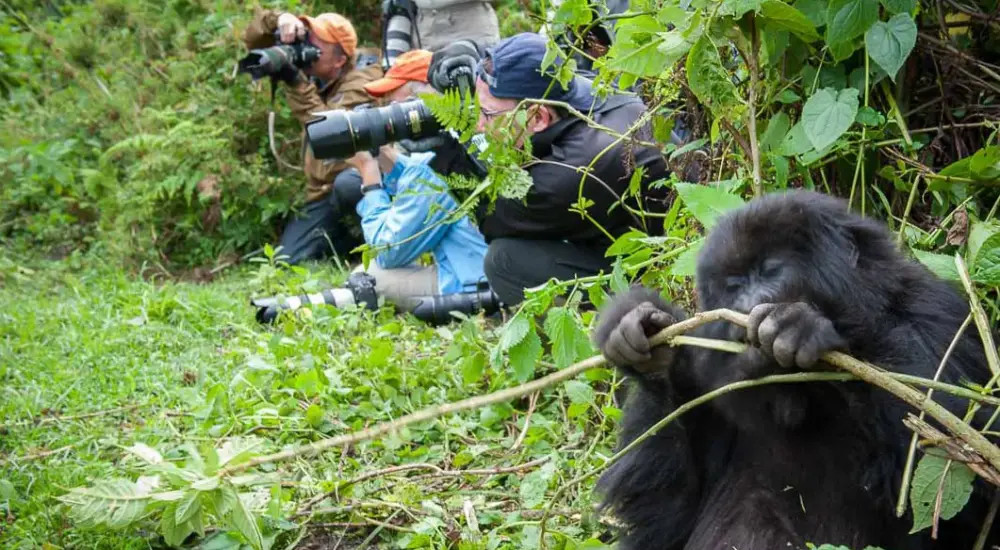
Trekkers keep a minimum distance of 7 meters
-
Rangers guide tourists on proper etiquette
-
They associate humans with neutral presence
Only in rare moments—such as when a silverback feels protective—do gorillas display dominance, but even then the rangers guide tourists calmly through the moment.
Tips for Visitors: How to Make Gorillas Comfortable
To ensure a respectful and safe encounter, trekkers should follow these guidelines:
🔸 Avoid direct eye contact
Gorillas may interpret it as a challenge.
🔸 Stay calm and silent
This reassures the gorillas that you’re peaceful.
🔸 Follow ranger instructions carefully
They understand gorilla body language best.
🔸 Don’t point or make sudden movements
It can make you seem unpredictable.
🔸 Maintain the 7-meter rule
Protection for both humans and gorillas.
🔸 Avoid strong perfumes
Your scent matters to gorillas.
By following these rules, visitors blend naturally into the environment, allowing gorillas to remain relaxed and comfortable.
Why This Matters for Conservation
Understanding that gorillas recognize humans is essential because it:
-
Helps encourage responsible trekking
-
Reduces human–wildlife conflict
-
Supports conservation through permit fees
-
Builds respect for gorilla space and behavior
Every gorilla permit purchased helps protect the species. Want to plan your trek with an experienced operator?
Explore tours at Monumental Expeditions and Safaris
Final Answer: Do Gorillas Recognize Humans?
Yes — gorillas recognize humans, especially those they see regularly.
They use a combination of:
-
Sight
-
Smell
-
Memory
-
Behavioral understanding
While they may not remember one-time visitors, they definitely recognize and trust the trackers and researchers who spend years interacting with them.
This remarkable relationship is what makes gorilla trekking in East and Central Africa one of the greatest wildlife experiences in the world.
Related Posts