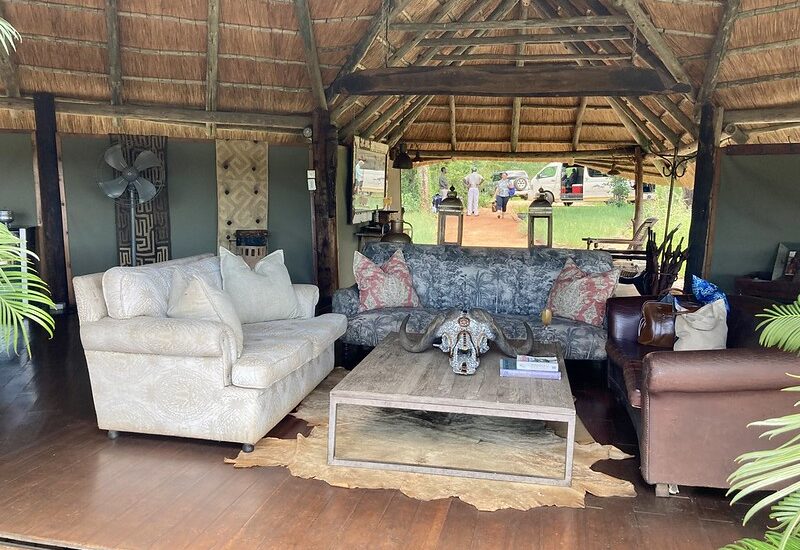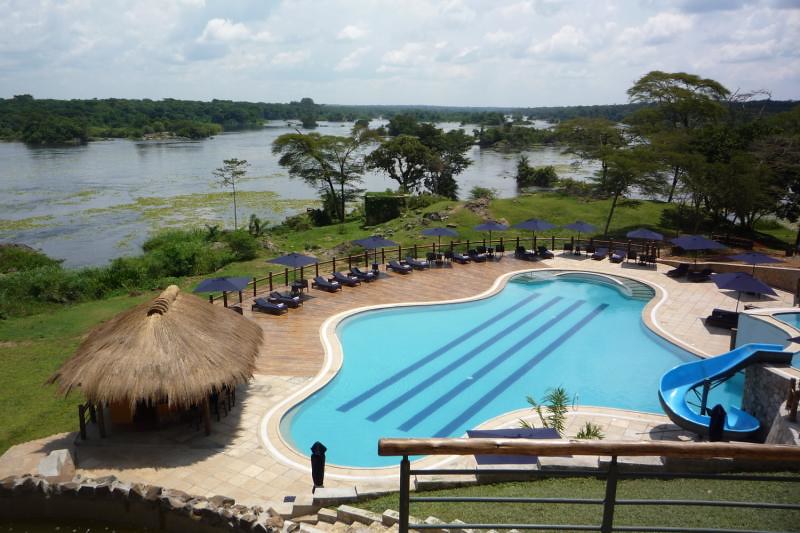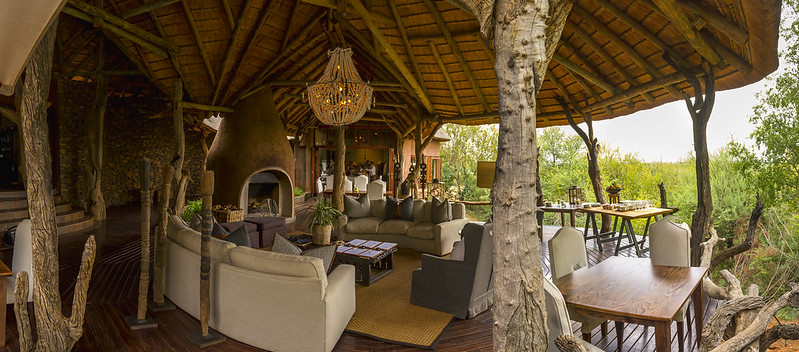
Top 10 Best Luxury Hwange Safari Lodges & Camps Hwange National Park, Zimbabwe's largest and…
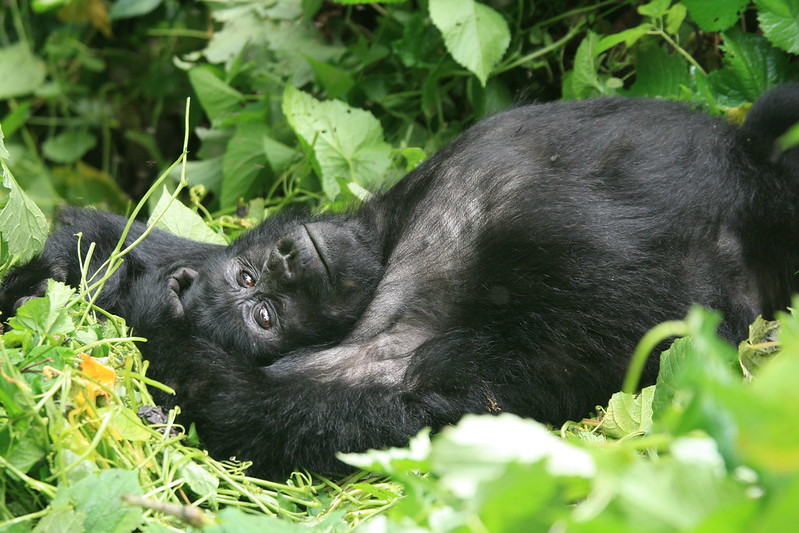
How does gorilla trekking help conservation? | Gorilla trekking
How Gorilla Trekking Helps Conservation: Protecting Africa’s Gentle Giants
Gorilla trekking in Africa has become one of the most popular wildlife experiences for nature enthusiasts and adventure travelers. While many tourists are drawn by the opportunity to see these magnificent primates up close, gorilla trekking is much more than an adventure—it plays a critical role in wildlife conservation. By participating in gorilla safaris in countries like Uganda, Rwanda, and the Democratic Republic of Congo, tourists directly contribute to protecting endangered species and supporting local communities.
In this article, we explore how gorilla trekking helps conservation, the benefits to the environment and communities, and how you can make your visit meaningful and sustainable.
1. Direct Funding for Conservation Programs
One of the most tangible ways gorilla trekking helps conservation is through the revenue generated from permits. Gorilla trekking permits are a significant source of income for national parks in Africa. For instance:
-
Uganda: Bwindi Impenetrable National Park and Mgahinga Gorilla National Park rely heavily on tourism fees.
-
Rwanda: Volcanoes National Park uses permit fees to fund research, park management, and anti-poaching initiatives.
-
DR Congo: Virunga National Park reinvests tourism revenue into community development and park protection.
A single gorilla trekking permit can cost anywhere from $600 to $1,500 per person, depending on the country and season. This direct funding ensures that national parks can employ rangers, conduct habitat restoration, and protect gorilla families from poaching threats.
For more information about booking permits and supporting conservation, visit Monumental Expeditions and Safaris.
2. Anti-Poaching and Law Enforcement
Poaching remains one of the greatest threats to gorilla populations. Illegal hunting, snares, and habitat destruction can decimate fragile gorilla families. Gorilla trekking contributes to anti-poaching efforts in several ways:
-
Increased ranger patrols: A portion of tourism revenue funds well-trained rangers who patrol forests, remove snares, and protect gorilla groups.
-
Surveillance technology: Permit fees help purchase equipment like cameras, drones, and tracking devices to monitor gorilla health and detect illegal activity.
-
Community engagement: Conservation programs educate local populations about the importance of gorillas, discouraging poaching and promoting sustainable livelihoods.
According to conservation organizations like the World Wildlife Fund (WWF), every gorilla trekking tourist helps increase funding for anti-poaching initiatives, making these primates safer in their natural habitats.
Learn more about global conservation efforts at WWF.org.
3. Promoting Habitat Protection
Gorillas depend on dense forests for survival. When you go gorilla trekking, you are indirectly supporting the preservation of these crucial habitats. National parks and reserves protect thousands of hectares of forest, which also serve as homes to countless other species like birds, monkeys, and rare plants.
Tourism revenue allows parks to:
-
Maintain forested areas free from logging or agricultural encroachment.
-
Support reforestation projects that expand gorilla habitats.
-
Fund ecological research to understand how gorillas interact with their environment.
By paying for your gorilla trekking experience, you are contributing to the long-term sustainability of Africa’s forests, which are vital not only for wildlife but also for combating climate change.
4. Scientific Research and Monitoring
Gorilla trekking programs have opened opportunities for scientific research and monitoring, which are crucial for conservation. Park authorities and researchers track gorilla groups, study their behavior, and monitor health indicators.
-
Health monitoring: Researchers can detect diseases early, preventing outbreaks that could devastate gorilla populations.
-
Behavioral studies: Understanding social structures, feeding habits, and migration patterns informs conservation strategies.
-
Population tracking: Regular censuses help conservationists determine population growth or decline, guiding management decisions.
Tourists benefit indirectly by supporting these research programs through fees and park interactions, making every trek a contribution to scientific knowledge.
For detailed information on gorilla research projects, visit Monumental Expeditions and Safaris
5. Empowering Local Communities
Conservation cannot succeed without the support of local communities. Gorilla trekking helps empower communities living near national parks by providing alternative livelihoods, reducing dependence on activities that harm wildlife.
Some community benefits include:
-
Employment opportunities: Many locals work as guides, trackers, porters, or hospitality staff.
-
Education and health programs: Tourism revenue funds schools, healthcare, and community projects.
-
Cultural preservation: Tourists can participate in community visits and cultural experiences, generating income while respecting traditions.
By engaging in responsible gorilla trekking, you support a model where conservation and human development go hand in hand, creating a sustainable future for both people and wildlife.
6. Raising Awareness About Conservation
One of the most important impacts of gorilla trekking is raising awareness among tourists about wildlife conservation. Seeing a gorilla in its natural habitat leaves a lasting impression that can inspire global action.
-
Tourists often share their experiences on social media, spreading awareness about endangered species.
-
Travelers may support conservation initiatives financially or through advocacy.
-
Eco-tourism encourages governments and policymakers to prioritize wildlife protection.
Every visitor becomes a conservation ambassador, helping to educate others about the importance of protecting gorillas and their habitats.
7. Sustainable Tourism Practices
Responsible gorilla trekking involves strict rules to minimize human impact. These practices are designed to protect both gorillas and their environment:
-
Maintaining a safe distance from gorillas.
-
Limiting the number of visitors per group.
-
Prohibiting flash photography and loud noises.
-
Following designated trails to avoid habitat damage.
By following these guidelines, tourists contribute to long-term conservation efforts, ensuring that gorilla populations thrive while visitors enjoy a safe, meaningful experience.
8. How You Can Maximize Your Conservation Impact
If you want your gorilla trekking experience to have the greatest positive impact, consider these tips:
-
Book through reputable tour operators: Companies like Monumental Expeditions and safaris prioritize conservation and community support.
-
Choose eco-friendly accommodations: Stay in lodges or camps that follow sustainable practices.
-
Follow park rules: Respect guidelines regarding distance, group size, and photography.
-
Support local communities: Buy local crafts, participate in community tours, and hire local guides.
-
Spread awareness: Share your experience to inspire friends and family to care about wildlife conservation.
By combining adventure with conscious travel, you become a part of the global effort to protect endangered gorillas.
9. Conclusion: Gorilla Trekking as a Conservation Tool
Gorilla trekking is much more than a bucket-list adventure—it is a powerful conservation tool that protects endangered species, preserves habitats, supports local communities, and promotes scientific research. Every tourist who participates helps fund anti-poaching efforts, conservation programs, and sustainable development initiatives.
By choosing responsible operators like Monumental Expeditions and Safaris, you ensure that your safari experience directly benefits gorilla conservation. Your visit helps these gentle giants continue to roam the forests of Africa for generations to come.
Whether you are trekking through Uganda’s Bwindi Impenetrable Forest, Rwanda’s Volcanoes National Park, or DR Congo’s Virunga National Park, every step you take in the forest contributes to a bigger purpose—saving one of the world’s most iconic and endangered species.
Gorilla trekking is not just a wildlife adventure; it is a commitment to conservation, education, and sustainable tourism. By supporting this eco-friendly practice, you become a part of the global movement to protect Africa’s gorillas and their habitats.
Related Posts