Can I Take Photos or Videos of Gorillas? Everything You Need to Know Before Your…
Why is flash photography not allowed?
Why Is Flash Photography Not Allowed During Gorilla Trekking?
A Complete Guide for Responsible Wildlife Travelers
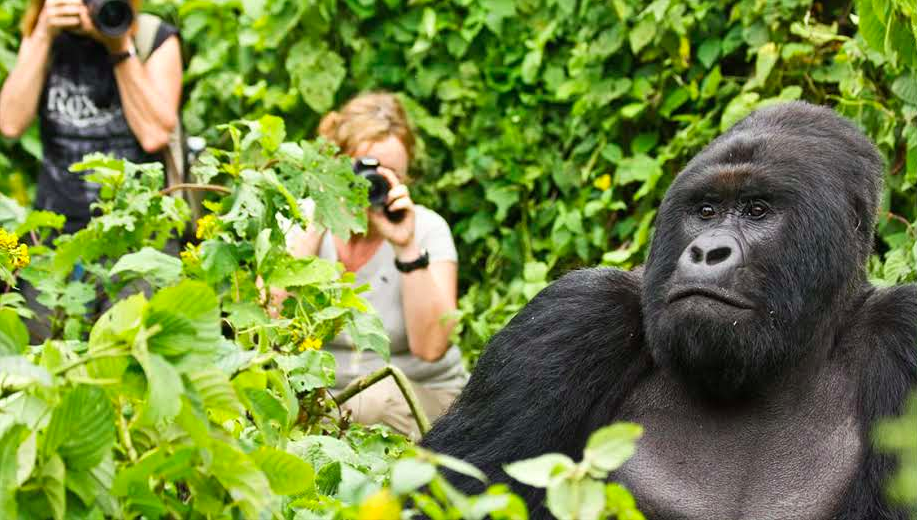
Photographing gorillas in the wild is one of the most extraordinary experiences any traveler can have. Visitors from around the world travel to Uganda, Rwanda, and the Democratic Republic of Congo (DR Congo) to see these majestic primates in their natural habitats. Naturally, many trekkers want to capture the moment — but one rule is strictly enforced across all gorilla trekking destinations:
Flash photography is NOT allowed.
This rule is universal whether you trek in Bwindi Impenetrable National Park, Mgahinga Gorilla National Park, Volcanoes National Park, or Virunga National Park.
But why is flash prohibited?
The reasons are crucial — both for gorilla conservation and your safety as a tourist.
This guide explains exactly why flash photography is forbidden, how it affects gorillas, the science behind the rule, ethical wildlife tourism, and what you can do to get stunning gorilla photos without flash.
For more trekking advice, visit Monumental Expeditions and safaris for expert-planned gorilla tracking experiences.
1. Flash Startles and Stresses Gorillas
Gorillas are generally calm and gentle animals, especially habituated families that have undergone years of training to get used to humans. But even habituated gorillas can be startled by sudden, unexpected bright lights.
Why flash startles gorillas
-
Gorillas live in dense, shaded forests
-
Their eyes are highly sensitive to sudden light
-
Flash mimics the kind of light associated with danger
-
Silverbacks may interpret flash as a threat to the group
Wildlife researchers and conservation organizations, including the Dian Fossey Gorilla Fund, have documented stress responses in primates when exposed to sudden white light.
A startled gorilla might:
-
Roar
-
Charge (mock or real)
-
Move away abruptly
-
Become aggressive in rare cases
-
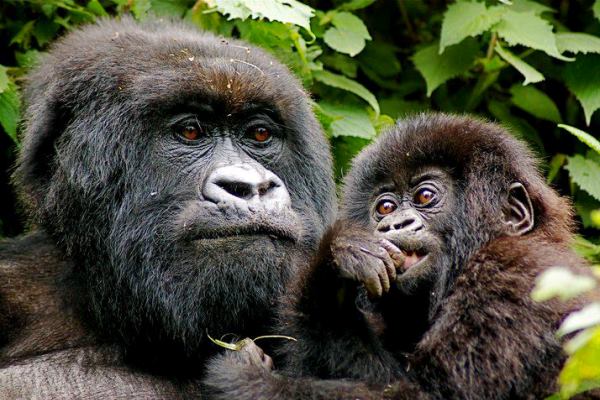
Panic, especially mothers with infants
To keep both gorillas and tourists safe, the use of flash is strictly banned.
2. Flash Interferes with Natural Gorilla Behavior
One of the fundamental rules of wildlife tourism is to avoid changing the animals’ natural behavior.
Flash photography interrupts gorillas by:
-
Distracting them from feeding or grooming
-
Causing them to abandon their activities
-
Disturbing infants
-
Making them more alert and stressed
-
Reducing the quality of habituation
Habituation is the long process that prepares gorilla families for tourist visits. Conservation organizations invest 2–3 years of daily work to help gorillas feel calm around people. Flash risks reversing some of this progress.
3. Flash Can Lead to Aggression or Defensive Behavior
Silverbacks — the dominant males — are responsible for protecting their group. A silverback interprets threats quickly, and bright flashes can trigger defensive actions.
Possible reactions include:
-
Chest-beating
-
Loud vocalizations
-
Standing upright
-
Fake charging
-
Actual charging (rare but possible)
Even a mock charge can be extremely intimidating.
Flash photography increases the risk of these reactions. To keep tourists safe and avoid provoking gorillas, park authorities enforce a no-flash policy.
4. Flash Damages Gorilla Eyes in Low-Light Environments
Mountain gorillas live in regions with thick forest canopy, which blocks sunlight and creates naturally low-light conditions.
In such environments, flash can:
-
Cause temporary blindness in gorillas
-
Disorient them
-
Affect infant gorillas (whose eyes are more sensitive)
-
Lead to behavioral changes and stress
Protecting gorilla eyesight is especially important because:
-
They rely heavily on sight for social cues
-
Visual communication is crucial (body posture, facial expressions)
-
Eye injuries could affect their ability to survive
5. Flash Increases the Risk of Disease Transmission
One of the biggest concerns in gorilla conservation is disease transmission from humans to gorillas. Gorillas share 98% of our DNA, making them vulnerable to human illnesses like flu, measles, and COVID-19.
So how does flash relate to disease?
When gorillas become stressed (such as from sudden light), their immune systems weaken. Stress hormones — particularly cortisol — reduce their ability to fight off infections.
Lower immunity makes gorillas more susceptible to:
-
Respiratory infections
-
Digestive issues
-
Behavioral changes
Because disease risk is already high, reducing stress through the no-flash rule is essential.
For more about gorilla conservation, see:
International Gorilla Conservation Programme
6. Flash Disrupts Photography for Other Trekkers
One flash can ruin an entire group’s view or photo opportunity.
Imagine:
-
You’re focused on a silverback, ready to take a photo
-
Someone uses flash
-
The gorillas scatter into thick vegetation
-
Your one-hour visit is ruined
Since tourists only get one hour with gorillas during standard treks (or four hours during the Gorilla Habituation Experience in Uganda), a single flash can waste that precious time.
To maintain a consistent and enjoyable experience for all trekkers, flash is forbidden.
7. Flash Violates Park Regulations and Conservation Laws
Uganda, Rwanda, and DR Congo all enforce strict anti-flash photography policies.
These rules are established by:
-
Uganda Wildlife Authority (UWA)
-
Rwanda Development Board (RDB)
-
ICCN (Institut Congolais pour la Conservation de la Nature)
Rangers enforce the rules seriously. If you use flash:
-
Your camera may be confiscated
-
You may be expelled from the trek
-
You may face penalties
-
You jeopardize future trekking permissions
Responsible tourism protects gorillas and ensures the sustainability of trekking.
8. Flash Is Unnecessary — Natural Light Is Better
Many trekkers assume flash is needed for good photos because gorillas live in dark forests. But modern cameras are designed for low-light photography.
You can get amazing shots using:
-
Natural light
-
ISO adjustments
-
Fast lenses
-
High shutter speeds
-
Manual settings
-
Smartphone night modes (with flash off)
Professional photographers prefer natural light because:
-
It highlights gorilla textures
-
It captures authentic forest atmosphere
-
It avoids harsh glare
-
It produces more dramatic, realistic images
For photography-friendly trekking options, check Monumental Expeditions and safaris.
Tips for Capturing Stunning Gorilla Photos Without Flash
1. Use a Fast Lens (f/2.8 or lower)
Allows more light into the camera.
2. Raise Your ISO (800–3200)
Modern cameras handle high ISO very well.
3. Use Burst Mode
Excellent for catching movement.
4. Focus on the Eyes
This creates powerful, emotional images.
5. Steady Your Camera
Use a monopod or stabilize against your body.
6. Shoot in RAW Format
Gives better editing flexibility later.
7. Carry a Lens Cloth
Humidity can fog your lens.
8. Stay Calm and Patient
Gorillas move slowly—wait for the right moment.
Conclusion: Why Flash Photography Is Not Allowed
Flash photography is banned during gorilla trekking for critical reasons:
-
It startles and stresses gorillas
-
It disrupts natural behavior
-
It can provoke defensive silverback reactions
-
It may cause eye damage
-
It increases the risk of disease transmission
-
It interferes with the experience for other trekkers
-
It is prohibited by conservation authorities
-
Natural light works far better for photography anyway
When you trek responsibly, you help protect the world’s remaining mountain gorillas — ensuring future generations can enjoy the same incredible experience.
To book your eco-friendly gorilla trekking adventure, visit: Monumental Expeditions and Safaris.
Related Posts