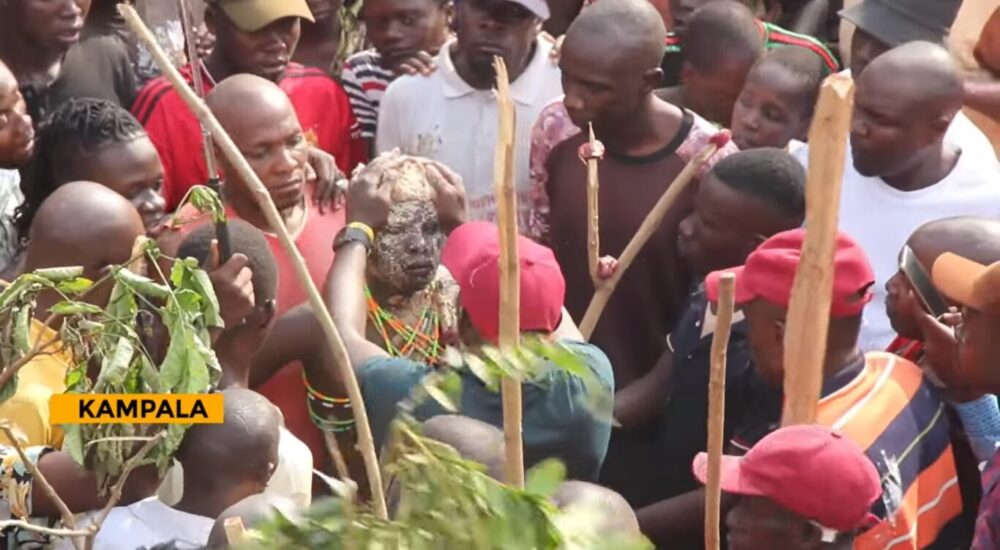
Imbalu Circumcision Ceremony: A Cultural Rite of Passage in Uganda The Imbalu Circumcision Ceremony is…
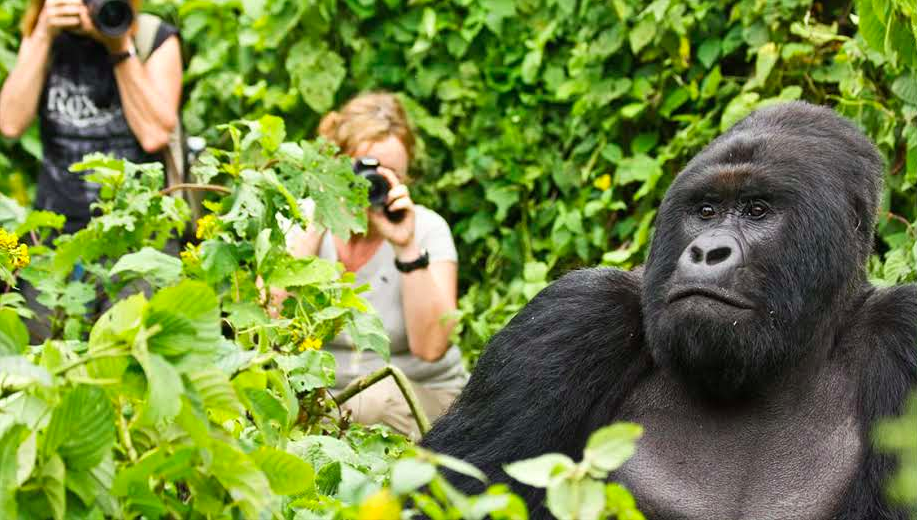
Can I take photos or videos of gorillas?
Can I Take Photos or Videos of Gorillas?
Everything You Need to Know Before Your Gorilla Trek
Gorilla trekking is one of the most breathtaking wildlife experiences in the world, offering travelers the rare opportunity to observe mountain gorillas and eastern lowland gorillas in their natural habitats. One of the most common questions that trekkers ask is: “Can I take photos or videos of gorillas?”
The answer is YES!
You are allowed to take photos and videos of gorillas during your trek in Uganda, Rwanda, and the Democratic Republic of Congo (DR Congo) — as long as you follow the rules designed to protect the gorillas and ensure your safety.
This comprehensive guide explains photography regulations, camera recommendations, ethical practices, and tips for capturing unforgettable images.
For more gorilla trekking insights and travel planning, visit Monumental Expeditions and safaris.
Are Tourists Allowed to Photograph Gorillas?
Yes. Tourists can take photographs and videos during the 1-hour viewing period with a habituated gorilla family.
Photography is encouraged because:
-
It supports wildlife awareness
-
Helps promote eco-tourism
-
Captures life-changing memories
However, responsible photography is crucial, and strict guidelines must be followed.
The Most Important Rule: NO FLASH PHOTOGRAPHY
All gorilla trekking destinations strictly prohibit flash photography.
Why?
1. Flash Startles Gorillas
Mountain gorillas can perceive flash as a threat, especially silverbacks, which may become defensive.
2. It Disrupts Their Natural Behavior
Flash can scare infants, interrupt feeding, or cause unnecessary stress.
3. It Violates Park Regulations
Flash usage can lead to warnings or confiscation of your camera.
Always turn off your flash before starting your trek.
Can I Take Videos of Gorillas?
Absolutely!
Video recording is allowed under the same rules as photography:
-
No flash
-
No sudden movements
-
Maintain a safe distance (7–10 meters when possible)
Many visitors capture:
-
Silverbacks chest-beating
-
Infants playing
-
Feeding scenes
-
Family interactions
Videos are a perfect way to relive this once-in-a-lifetime experience.
Distance Rules When Taking Photos of Gorillas
To protect both you and the gorillas, visitors must stay 7 meters (23 feet) away from the gorillas whenever possible.
However…
Sometimes gorillas approach tourists — especially curious juveniles.
When this happens:
-
Stay calm
-
Do NOT touch them
-
Let the rangers guide you
If a gorilla passes close by, follow its lead and remain still.
This close interaction often leads to incredible photos — all while respecting conservation guidelines.
What Types of Cameras Can I Bring?
You can bring:
-
Professional DSLR cameras
-
Mirrorless cameras
-
Point-and-shoot cameras
-
GoPros and action cameras
-
Smartphones (with flash OFF)
There are no restrictions on camera size or lenses, unlike some African safari reserves.
This makes Uganda, Rwanda, and DR Congo excellent destinations for wildlife photographers.
Camera Gear Recommendations for Gorilla Trekking
1. Telephoto Lens (70–200mm or 100–400mm)
Perfect for capturing:
-
Close-ups of gorilla faces
-
Infants on mothers’ backs
-
Silverback portraits
2. Wide Lens (24–70mm)
Great for environmental shots showing:
-
Forest background
-
Gorilla groups interacting
-
Silverbacks in full size
3. Weather Protection
Rain is common in gorilla forests. Bring:
-
A rain cover
-
Waterproof bag
-
Lens cloth
4. Extra Batteries & Memory Cards
Cold, humid environments drain batteries quickly.
5. Camera Strap or Chest Harness
Useful during steep climbs.
Are Drones Allowed During Gorilla Trekking?
No. Drones are strictly prohibited.
Reasons:
-
They stress gorillas
-
They can crash in the forest
-
They violate conservation laws
-
They endanger other trekkers
If you bring a drone, park authorities will usually keep it until the trek ends.
Why Photography Rules Are So Strict
The rules are based on decades of research into gorilla behavior from organizations such as:
International Gorilla Conservation Programme
Dian Fossey Gorilla Fund
Key reasons:
1. Mountain Gorillas Are Endangered
Only around 1,063 mountain gorillas remain worldwide.
2. Gorillas Share 98% of Our DNA
They are extremely vulnerable to human diseases and stress.
3. Sustainable Tourism Funds Conservation
Your photos help promote awareness — but must be taken ethically.
Tips for Capturing Stunning Gorilla Photos
1. Focus on the Eyes
Gorilla eyes reveal emotion, intelligence, and personality.
2. Use Burst Mode
Great for catching movement like:
-
Chest beating
-
Playful infants
-
Silverbacks walking
3. Keep Your Camera Ready
You may find the gorillas suddenly active — be prepared.
4. Shoot in Silence Mode
Avoid loud shutter clicks that may disturb wildlife.
5. Remember to Pause and Enjoy the Moment
Photos are wonderful, but your time with gorillas is short — don’t miss the experience itself.
How Much Time Do You Have to Take Photos?
Gorilla trekking rules allow:
1 Hour of Viewing Time
(Uganda, Rwanda, DR Congo)
4 Hours for Gorilla Habituation Experience
(Uganda only)
The longer habituation experience is ideal for serious wildlife photographers.
Learn more:
gorillatrackings.com/Gorilla-Habituation
Ethical Photography Practices
When photographing gorillas:
-
Respect the gorilla’s space
-
Follow ranger instructions
-
Never touch gorillas
-
Avoid disruptive behavior
-
Keep your voice low
-
Minimize movement
-
Never block pathways
-
Do not feed or lure gorillas
This ensures the gorillas remain unstressed and safe.
Best Countries for Gorilla Photography
Here’s where you can take photos of gorillas:
1. Uganda
-
Bwindi Impenetrable National Park
-
Mgahinga Gorilla National Park
Offers the 4-hour habituation experience — ideal for photographers.
2. Rwanda
-
Volcanoes National Park
Best for luxury trekkers and photographers who prefer shorter hikes.
3. DR Congo
-
Virunga National Park
-
Kahuzi-Biega National Park
Home to eastern lowland gorillas, a unique photography opportunity.
FAQ: Common Questions About Gorilla Photography
Can I use flash?
❌ No. Flash is strictly forbidden.
Can I take unlimited photos?
✔ Yes, as long as you follow guidelines.
Can I bring a tripod?
✔ You can, but forests are dense. A monopod is more practical.
Can I film with my phone?
✔ Yes—but turn off the flash.
Can I livestream?
✔ Technically yes, if you have signal.
❌ But avoid excessive talking or disturbance.
Conclusion: Yes, You Can Photograph Gorillas — Respectfully
Tourists can take photos and videos of gorillas, and the experience is nothing short of magical. By following conservation rules — especially turning off the flash — you can capture outstanding wildlife images while protecting one of the world’s most endangered species.
For guided, photography-friendly gorilla trekking packages in Uganda, Rwanda, and DR Congo, visit: Monumental Expeditions and Safaris.
Related Posts