Can Children Trek to See Gorillas? A Complete Guide for Families Gorilla trekking is one…
Is gorilla trekking safe? | Gorilla trekking | safaris
Is Gorilla Trekking Safe? A Complete Guide for Adventurers
Gorilla trekking is one of Africa’s most thrilling wildlife experiences, offering the opportunity to observe majestic mountain gorillas in their natural habitat. But for first-time visitors, safety is a common concern. Many ask: “Is gorilla trekking safe?”
This guide explores the safety measures, health considerations, guide protocols, and best practices to ensure a secure and unforgettable gorilla trekking experience in Uganda, Rwanda, and DR Congo. Plan your adventure confidently with Monumental Expeditions and Safaris.
1. Introduction to Gorilla Trekking Safety
Gorilla trekking involves hiking through dense forests, mountainous terrain, and volcanic slopes to observe habituated gorilla families. While it’s an exciting adventure, safety is paramount.
Parks and tour operators have implemented strict guidelines to protect both visitors and gorillas. By following these rules and preparing adequately, gorilla trekking is generally very safe.
2. Safety Factors to Consider
The safety of a gorilla trek depends on several factors:
2.1 Gorilla Behavior
-
Mountain gorillas are generally peaceful and shy
-
Silverbacks protect their families but rarely attack humans
-
Habituated gorillas in parks like Bwindi, Volcanoes, and Virunga are accustomed to human presence
Tip: Always follow guide instructions to avoid provoking gorillas.
2.2 Terrain and Environment
-
Trails can be steep, slippery, or uneven
-
Rivers, mud, and dense undergrowth may pose challenges
-
Proper footwear, trekking poles, and fitness help reduce risk
2.3 Weather Conditions
-
Rainy season: Trails may become muddy and slippery
-
Dry season: Easier trails, fewer slips, and more comfortable trekking
2.4 Health Considerations
-
Gorillas are susceptible to human diseases
-
Visitors must maintain minimum distance and practice hygiene to protect wildlife
3. Park Safety Measures
3.1 Gorilla Proximity Rules
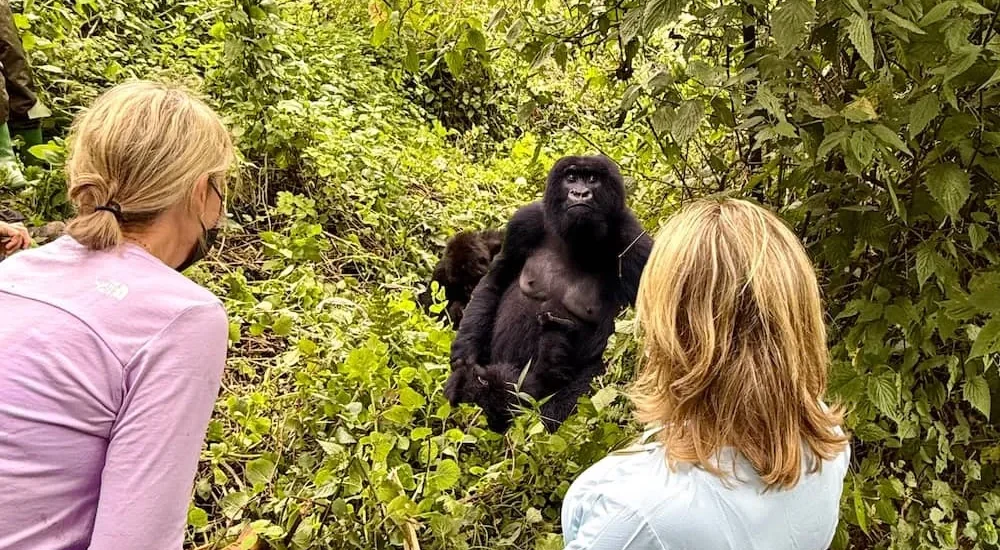
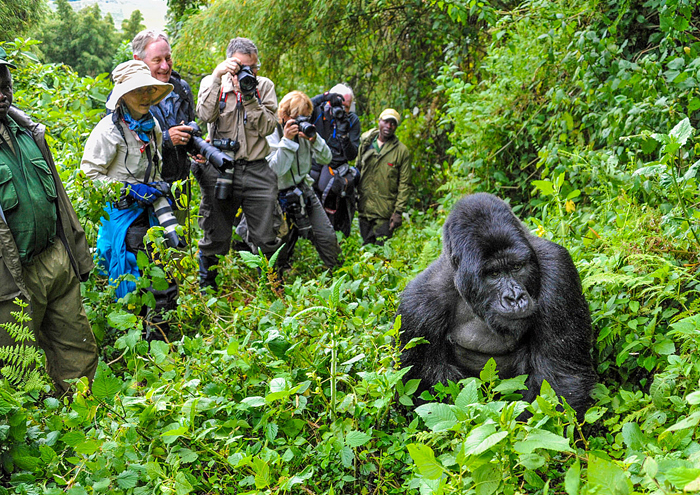
All gorilla trekking parks enforce a 7-meter minimum distance rule:
-
Bwindi Impenetrable Forest, Uganda
-
Volcanoes National Park, Rwanda
-
Mgahinga Gorilla National Park, Uganda
-
Virunga National Park, DR Congo
This distance prevents disease transmission and ensures safety for both humans and gorillas.
3.2 Trained Guides
-
Guides are trained in gorilla behavior, first aid, and emergency procedures
-
They lead trekkers along safe trails and monitor interactions with gorillas
-
Guides enforce rules and manage group behavior to prevent accidents
3.3 Limited Group Sizes
-
Small trekking groups reduce crowding and stress on gorillas
-
Fewer people on trails improve safety and allow guides to monitor everyone effectively
4. Health Precautions for Trekkers
4.1 Vaccinations and Medical Clearance
-
Recommended vaccinations: Yellow fever, typhoid, hepatitis A & B, and routine immunizations
-
Consult a doctor before trekking, especially if you have pre-existing conditions
4.2 Hygiene and Disease Prevention
-
Wash hands before trekking
-
Avoid touching eyes, nose, or mouth during the trek
-
Maintain minimum distance from gorillas to prevent disease transmission
Learn more about gorilla health precautions: World Wildlife Fund – Gorillas
5. Physical Safety Tips
5.1 Fitness Preparation
-
Moderate fitness is recommended for hiking through forests and hills
-
Exercises like cardio, strength training, and hiking practice improve trekking safety
5.2 Proper Gear
-
Hiking boots: For traction and ankle support
-
Walking sticks: Aid balance on uneven terrain
-
Rain gear: For wet conditions
-
Gloves and long sleeves: Protect from vegetation and insects
5.3 Trail Awareness
-
Watch for slippery patches, rocks, and roots
-
Follow the guide’s instructions at all times
-
Move carefully and respect trail markers
6. Wildlife Safety Considerations
6.1 Understanding Gorilla Behavior
-
Gorillas communicate through vocalizations, chest-beating, and body language
-
Aggressive displays are usually warnings, not attacks
-
Guides explain signs of stress or agitation to trekkers
6.2 Avoiding Risks
-
Never attempt to touch or feed gorillas
-
Keep noise levels low
-
Respect gorilla space, even if they approach out of curiosity
7. Emergency Procedures During Trekking
Parks and operators have emergency protocols:
-
Guides carry first aid kits and communication devices
-
Evacuation plans exist for injuries or health emergencies
-
Rangers monitor remote areas to ensure safety
Traveling with reputable operators like Monumental expeditions and Safaris guarantees professional support in emergencies.
8. Comparing Gorilla Trekking Safety to Other Wildlife Activities
-
Safari drives: Often conducted from vehicles, lower risk from animals
-
Chimpanzee trekking: Similar safety protocols and disease precautions
-
Gorilla trekking: Involves walking among gorillas but with strict distance rules and trained guides
Overall, gorilla trekking is considered very safe for well-prepared visitors.
9. Risk Factors and How to Minimize Them
9.1 Slips and Falls
-
Wear appropriate footwear and use trekking poles
-
Walk slowly and carefully on muddy or steep trails
9.2 Wildlife Encounters
-
Follow guide instructions
-
Maintain minimum distance from gorillas and other wildlife
9.3 Health Issues
-
Stay hydrated and take rest breaks
-
Carry a small first aid kit for minor injuries
10. Seasonal Safety Considerations
-
Dry season (June–September, December–February): Safer trails and easier trekking
-
Rainy season (March–May, October–November): Slippery trails, mud, and increased risk of minor injuries
Plan your trek with consideration of weather conditions to enhance safety and enjoyment.
11. Mental and Emotional Safety
-
Stay calm around gorillas; avoid sudden movements
-
Respect wildlife behavior to prevent stress or aggression
-
Mentally prepare for long hikes and forest conditions
Mental preparedness complements physical safety and ensures a positive trekking experience.
12. Conservation and Safety Go Hand in Hand
-
Gorilla trekking contributes to conservation funding
-
Maintaining safety rules ensures minimal impact on gorillas and habitats
-
Ethical trekking practices protect gorilla populations for future generations
Learn more about ethical trekking and conservation: Dian Fossey Gorilla Fund
13. Why Trekking with Experts Matters
-
Experienced guides enhance both safety and experience
-
Reputable operators like Monumental Expeditions and Safaris handle permits, logistics, and emergency preparedness
-
They ensure compliance with park regulations and protect both trekkers and gorillas
14. Conclusion
So, is gorilla trekking safe?
-
Yes, with proper preparation, fitness, and adherence to park rules, gorilla trekking is considered very safe
-
Safety depends on following guide instructions, maintaining distance, and using proper gear
-
Trekking with professional operators ensures emergency support, permit compliance, and a responsible wildlife experience
Gorilla trekking is a once-in-a-lifetime adventure, combining wildlife observation, outdoor activity, and conservation support. For a safe and unforgettable gorilla trekking safari, plan your trip with Monumental expeditions and Safaris.
Related Posts