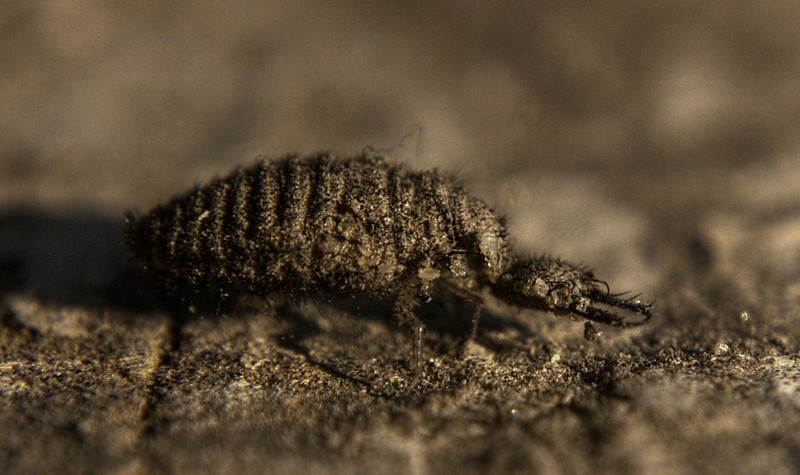
Africa’s Little Five Animals. Although many people's safari bucket lists include the Big Five, there…
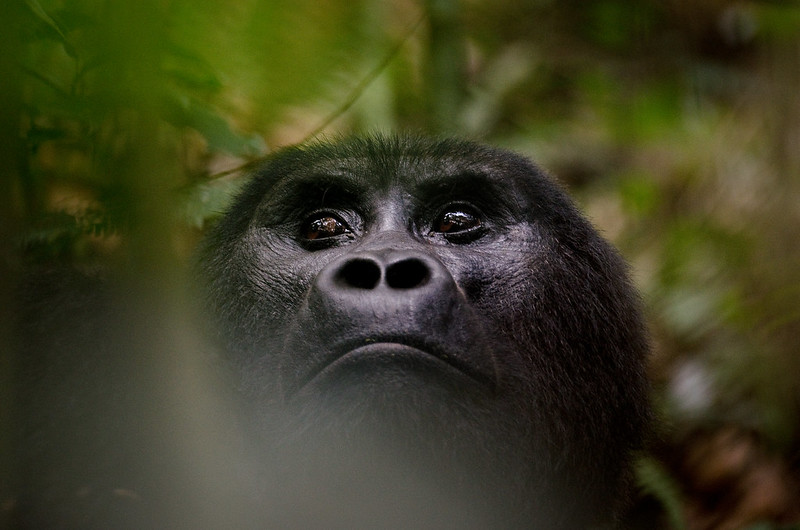
How close can I get to the gorillas during a trek? | Gorilla trekking
How Close Can I Get to the Gorillas During a Trek? A Complete Guide
Gorilla trekking is one of the most thrilling wildlife experiences in Africa. Being in the presence of majestic mountain gorillas in their natural habitat is unforgettable. Many travelers wonder, “How close can I get to the gorillas during a trek?” Understanding proximity rules, safety guidelines, and ethical considerations is essential to ensure both your safety and the wellbeing of the gorillas.
This guide explores the recommended distances, behavior expectations, park regulations, and tips for getting the most out of your gorilla trekking adventure in Uganda, Rwanda, and DR Congo. Plan your trek responsibly with Monumental Expeditions and Safaris.
1. Introduction to Gorilla Trekking
Gorilla trekking is a form of ecotourism that allows visitors to walk through dense forests and volcanic slopes to observe habituated gorilla families.
The activity is regulated to ensure safety, conservation, and minimal disruption to gorilla behavior. Observing these incredible creatures up close is a privilege, and knowing the rules helps protect them while enhancing your experience.
2. Park Guidelines on Gorilla Proximity
2.1 The 7-Meter Rule
All gorilla trekking parks, including:
-
Bwindi Impenetrable Forest, Uganda
-
Volcanoes National Park, Rwanda
-
Mgahinga Gorilla National Park, Uganda
-
Virunga National Park, DR Congo
require visitors to maintain a minimum distance of 7 meters (23 feet) from gorillas.
This distance is recommended to:
-
Prevent disease transmission between humans and gorillas
-
Avoid disturbing gorilla behavior or social interactions
-
Ensure visitor safety, especially around dominant silverbacks
Maintaining this distance allows you to observe natural behavior while minimizing stress on the gorillas.
2.2 Exceptions and Safe Interaction
While the 7-meter distance is standard, certain situations may naturally bring you closer, such as:
-
Gorillas approaching out of curiosity
-
Young gorillas moving toward observers
-
Guides directing group movement in dense vegetation
Visitors are advised not to reach out, touch, or feed gorillas under any circumstances.
3. Why Maintaining Distance Is Important
3.1 Health and Disease Prevention
Gorillas are susceptible to human illnesses, including:
-
Respiratory infections
-
Flu viruses
-
COVID-19
Maintaining the 7-meter rule protects gorillas from potentially fatal human diseases. Learn more about gorilla health guidelines: World Wildlife Fund – Gorillas.
3.2 Behavioral Considerations
-
Silverbacks may display aggression if humans approach too closely
-
Disturbing gorilla activities like feeding or grooming can cause stress
-
Respecting space ensures authentic wildlife observation
4. How Close Will You Actually Be?
Even with a 7-meter minimum distance, gorillas often come closer naturally:
-
Curious juveniles may approach visitors
-
Gorillas on steep or narrow trails may seem physically closer due to terrain
-
Experienced guides manage proximity safely, allowing close observation without risk
In practice, this distance is close enough for photography and immersive wildlife experiences.
5. Photography and Distance
5.1 Best Practices
-
Use zoom lenses for close-up shots without encroaching on gorillas
-
Avoid flash photography, which can startle them
-
Maintain a calm and quiet demeanor
5.2 Equipment Recommendations
-
DSLR or mirrorless cameras with telephoto lens
-
Binoculars for observation of distant behaviors
-
Lightweight tripods optional for stable shots in low light
Following these guidelines allows you to capture incredible memories while respecting gorilla space.
6. Interaction with Gorilla Families
6.1 Silverback Gorillas
-
Dominant males are responsible for protecting the troop
-
Always respect their space and avoid direct eye contact, which can be interpreted as a challenge
6.2 Females and Infants
-
Female gorillas may carry infants or interact with juveniles
-
Observing their social interactions from a safe distance allows you to see nurturing behaviors up close
6.3 Juvenile Gorillas
-
Young gorillas are naturally curious
-
They may come within a few meters, providing a rare close encounter, but always under guide supervision
7. Factors That Affect How Close You Can Get
7.1 Troop Behavior
-
Some gorilla families are more relaxed and habituated
-
Others may be more territorial, requiring visitors to maintain stricter distance
7.2 Terrain and Environment
-
Dense forests or narrow trails may make 7 meters seem closer visually
-
Guides position groups safely while ensuring optimal observation
7.3 Guide Experience
-
Expert guides manage both human and gorilla safety
-
They know how to position trekkers for best viewing opportunities
Book your trek with professional operators like Monumental Expeditions and Safaris for a safe and rewarding experience.
8. Tips for Safe and Ethical Gorilla Observation
-
Follow guide instructions at all times
-
Keep a safe distance – avoid sudden movements
-
Stay quiet to minimize disturbance
-
Avoid touching, feeding, or attempting to interact physically
-
Wash hands before trekking to prevent disease transmission
-
Respect gorilla space even if they approach you
Ethical behavior ensures the long-term survival of gorilla populations and enhances your trekking experience.
9. How Close Are Other Animals? Comparisons
Compared to other wildlife experiences:
-
Safari in East Africa: Often maintain distance from lions, elephants, and rhinos, usually from vehicles
-
Chimpanzee trekking: Similar rules apply; maintain 7 meters
-
Gorilla trekking: Walk among gorillas but still maintain a safe, respectful distance
This makes gorilla trekking one of the most immersive yet controlled wildlife encounters.
10. Benefits of Maintaining Distance
-
Reduces stress on gorillas and promotes natural behavior
-
Minimizes risk of human injury
-
Prevents disease transmission
-
Ensures photography and observation are safe and ethical
Following guidelines helps create memorable and responsible wildlife experiences.
11. How Guides Help Manage Proximity
-
Guides monitor gorilla behavior during your visit
-
They position trekkers for optimal observation
-
They enforce rules and distance to protect both visitors and gorillas
Professional guides ensure your experience is safe, enjoyable, and respectful of wildlife.
12. Planning Your Gorilla Trek for Safe Close Encounters
12.1 Book Early and Choose Experienced Operators
-
Companies like Monumental Expeditions and Safaris provide:
-
Experienced guides
-
Proper permits
-
Education on gorilla behavior and safe distances
-
12.2 Prepare Physically and Mentally
-
Moderate fitness allows smooth trekking through forest terrain
-
Mentally, respect rules and be patient; gorillas may move slowly
12.3 Bring Appropriate Gear
-
Telephoto lens for close-up shots
-
Comfortable clothing and hiking boots
-
Water, snacks, and insect repellent
Preparation ensures you can enjoy the experience safely and responsibly.
13. Conclusion
So, how close can you get to gorillas during a trek?
-
Standard guidelines require at least 7 meters (23 feet)
-
In practice, gorillas may naturally come closer, especially curious juveniles
-
Always follow guide instructions, respect boundaries, and avoid direct interaction
-
This distance ensures safety, ethical observation, and protection of gorilla health
Gorilla trekking is a once-in-a-lifetime adventure that allows you to observe incredible wildlife up close while supporting conservation efforts.
For a safe and unforgettable gorilla trekking experience, plan your safari with Monumental Expeditions and Safaris.
Related Posts