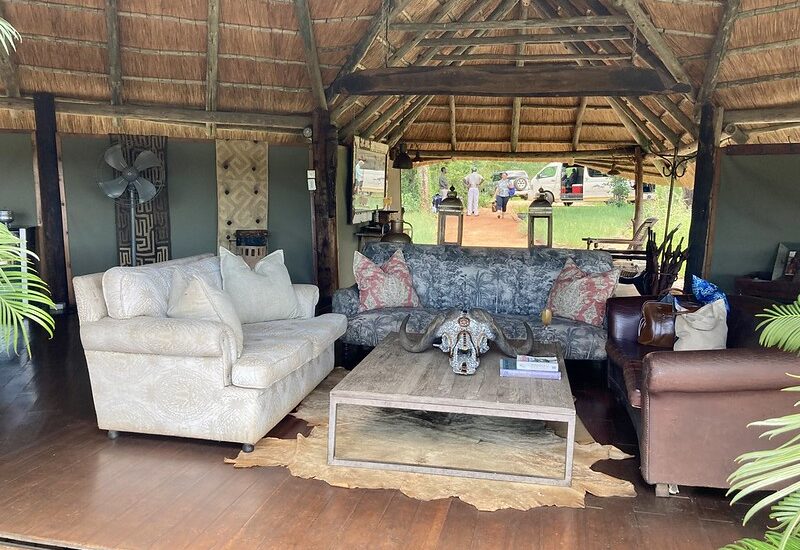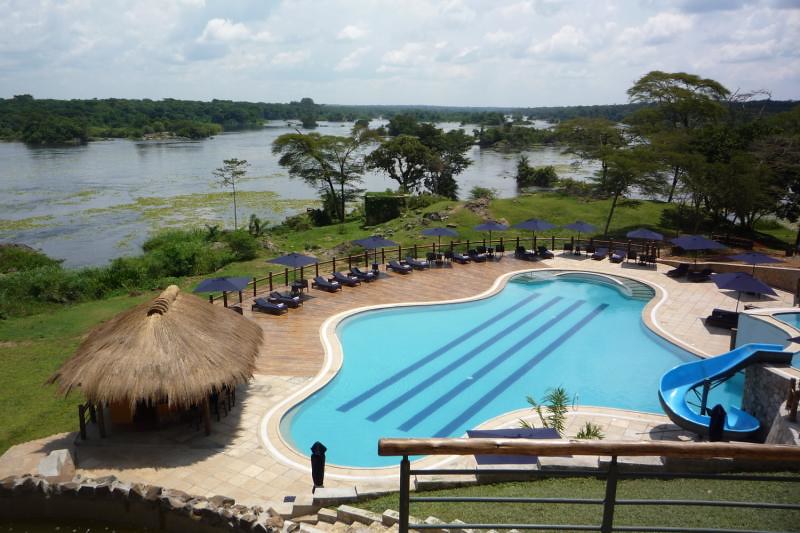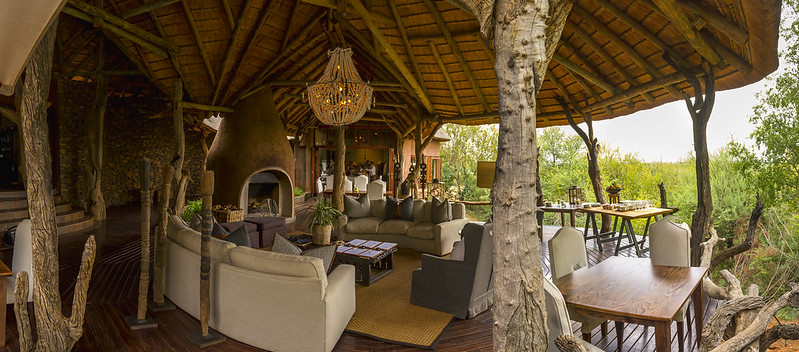
Top 10 Best Luxury Hwange Safari Lodges & Camps Hwange National Park, Zimbabwe's largest and…
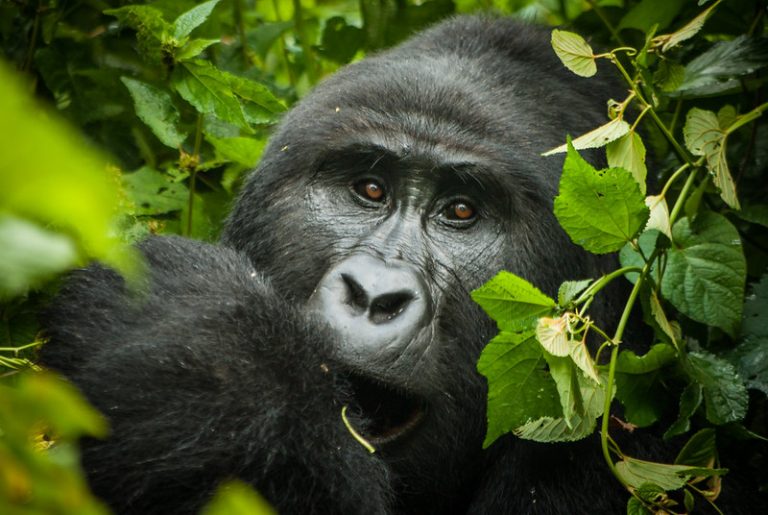
What is the best time of year to see gorillas? |Gorilla tours
What Is the Best Time of Year to See Gorillas? A Complete Guide
Gorilla trekking is a bucket-list adventure for wildlife enthusiasts. Observing these majestic mountain gorillas in their natural habitat is a truly unforgettable experience. But many travelers ask, “What is the best time of year to see gorillas?” Choosing the right season can make your trek more enjoyable, safer, and increase the likelihood of encountering gorillas.
This guide explores the best months, weather conditions, park locations, and tips for gorilla trekking in Uganda, Rwanda, and DR Congo, helping you plan the perfect wildlife adventure with Monumental Expeditions and Safaris.
1. Introduction to Gorilla Trekking
Gorilla trekking involves walking through dense forests, volcanic mountains, and bamboo zones to observe habituated gorilla families. It is available only in specific regions of Africa where gorillas reside. The experience is not only thrilling and educational, but it also supports gorilla conservation efforts through trekking permit fees.
Planning your trek during the right season ensures better trail conditions, comfortable weather, and a higher chance of seeing gorillas up close.
2. Understanding Gorilla Habitats and Seasons
Gorillas inhabit high-altitude forests and national parks with diverse ecosystems. The climate and vegetation affect the trekking experience:
-
Uganda (Bwindi Impenetrable Forest & Mgahinga National Park): Tropical rainforest with high rainfall and moderate temperatures
-
Rwanda (Volcanoes National Park): Cooler volcanic slopes with cloud forests
-
DR Congo (Virunga National Park): Dense forests and remote mountainous terrain
These parks experience two main seasons:
-
Dry Season: June–September and December–February
-
Rainy Season: March–May and October–November
3. Dry Season: The Best Time to See Gorillas
3.1 Why the Dry Season is Ideal
The dry season is widely considered the best time for gorilla trekking due to:
-
Easier trails: Less mud, better footing, and safer hikes
-
Shorter trekking times: Gorillas are easier to find when the forest floor is dry
-
More comfortable weather: Lower humidity and minimal rain make trekking enjoyable
During this season, forest paths are manageable, reducing the physical strain of trekking.
3.2 Dry Season by Location
-
Bwindi Impenetrable Forest, Uganda: June–September and December–February
-
Volcanoes National Park, Rwanda: June–September and January–February
-
Mgahinga Gorilla National Park, Uganda: Same as Bwindi for easy trekking
-
Virunga National Park, DR Congo: June–September
Book early with Monumental Expeditions and Safaris for peak season permits.
4. Rainy Season: Challenges and Opportunities
4.1 Challenges During Rainy Months
-
Muddy and slippery trails increase difficulty
-
Longer trekking times due to dense vegetation and slow gorilla movement
-
Increased fatigue and risk of injury
March–May and October–November are the rainy months in most gorilla parks.
4.2 Opportunities During Rainy Season
Despite challenges, the rainy season offers unique advantages:
-
Lush, green scenery and abundant wildlife photography opportunities
-
Fewer tourists: More intimate trekking experience and better interaction with gorilla families
-
Lower prices: Trekking permits and tours may be more affordable
Experienced trekkers seeking solitude and scenic beauty may prefer the rainy season.
5. Seasonal Wildlife Behavior
The season affects gorilla activity:
-
During dry months, gorillas may feed on leaves and fruits closer to trails
-
Rainy season may encourage gorillas to move higher or deeper into the forest
-
Silverback gorillas may display more territorial behaviors during certain seasons
Understanding these patterns enhances your chances of observing natural behavior.
6. Planning Your Trek: Factors to Consider
6.1 Fitness and Physical Preparedness
-
Dry season: Trails are easier, suitable for most fitness levels
-
Rainy season: Requires more endurance, waterproof gear, and caution
6.2 Group Size and Trekking Guides
-
Smaller groups offer personalized guidance and flexibility
-
Experienced guides know the best routes depending on the season and weather
6.3 Gear and Preparation
-
Dry season: Light hiking boots, minimal waterproof gear
-
Rainy season: Waterproof boots, rain jacket, gloves, and walking sticks
Visit Monumental Expeditions and Safaris for expert advice on seasonal preparation.
7. Top Gorilla Trekking Destinations by Season
7.1 Bwindi Impenetrable Forest, Uganda
-
Dry Season: Ideal for first-time trekkers; easy access to habituated gorilla families
-
Rainy Season: Adventure seekers experience lush forests and intimate encounters
7.2 Volcanoes National Park, Rwanda
-
Dry Season: Best for photography and shorter treks
-
Rainy Season: Fewer crowds and scenic cloud forests
7.3 Mgahinga Gorilla National Park, Uganda
-
Dry Season: Comfortable trekking for beginners and families
-
Rainy Season: Quieter, more exclusive experience
7.4 Virunga National Park, DR Congo
-
Dry Season: Essential for safe trekking in rugged terrain
-
Rainy Season: Only suitable for experienced trekkers
8. Additional Tips for Trekking in Different Seasons
-
Book permits early: Popular months require advanced reservations
-
Check weather forecasts: Avoid trekking during heavy rainstorms
-
Hire experienced guides: Guides navigate trails based on seasonal conditions
-
Wear appropriate clothing: Light layers in dry season; waterproof layers in rainy season
-
Carry insect repellent: Rainy season increases mosquitoes and insects
Proper planning ensures a comfortable and successful gorilla trekking adventure.
9. Conservation Considerations by Season
Gorilla trekking contributes to conservation year-round, but seasonal tourism affects park management:
-
Dry season: More visitors help fund conservation projects
-
Rainy season: Fewer visitors reduce human impact on sensitive gorilla habitats
Choosing your trekking season balances tourism, wildlife protection, and visitor experience.
10. Gorilla Behavior Across Seasons
-
Feeding patterns: Gorillas feed on leaves, shoots, and fruits that vary with season
-
Movement: Dry season often keeps gorillas at lower altitudes; rainy season may push them higher
-
Interaction: Silverback leadership, infant play, and social behavior can be observed year-round
Understanding seasonal behavior enriches your wildlife observation skills.
11. Benefits of Timing Your Trek Correctly
-
Safety: Easier trails and manageable weather conditions
-
Photography: Optimal lighting and scenery during dry months
-
Wildlife experience: Maximize encounters with active gorilla families
-
Comfort: Avoid extreme wet or muddy conditions
Timing your visit ensures a rewarding gorilla trekking experience.
12. How to Book Your Gorilla Trek
-
Choose the park and season that suits your preferences
-
Book trekking permits early (permits are limited)
-
Hire reputable operators like Monumental Expeditions and Safaris for:
-
Permit arrangements
-
Experienced guides
-
Travel logistics
-
Safety measures
-
Early planning guarantees stress-free trekking and unforgettable wildlife encounters.
13. Conclusion
The best time of year to see gorillas depends on your priorities:
-
Dry season (June–September, December–February): Easier trekking, better trails, ideal for first-time visitors
-
Rainy season (March–May, October–November): Lush scenery, fewer crowds, more adventurous
Regardless of the season, gorilla trekking is a once-in-a-lifetime experience that combines adventure, wildlife observation, and conservation.
For an ethical and unforgettable gorilla trekking safari, book with Monumental Expeditions and Safaris today.
Related Posts