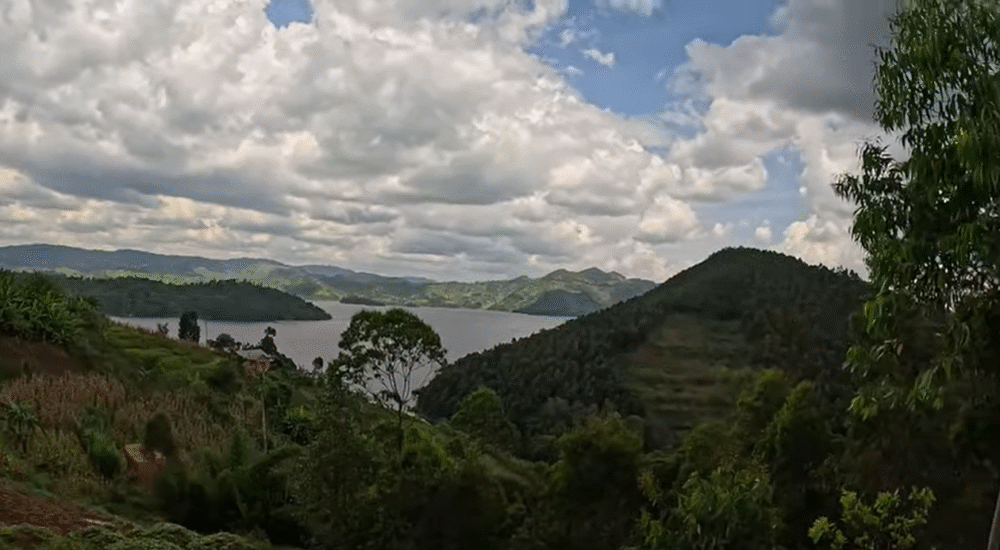
Exploring Rwanda’s Hidden Gems: A Guide to the Twin Lakes of Ruhondo and Burera Rwanda,…
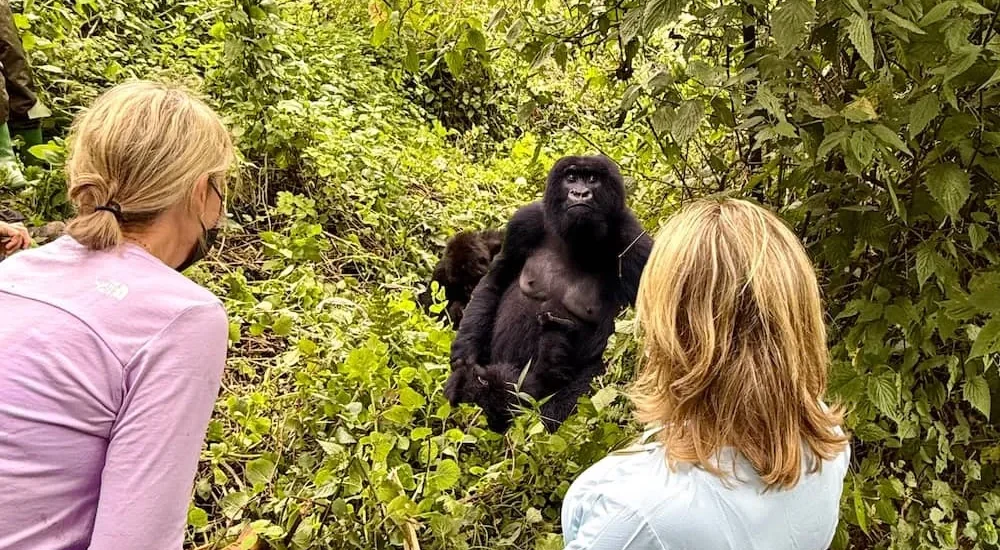
How difficult is gorilla trekking? | Gorilla trekking safaris
How Difficult Is Gorilla Trekking? A Complete Guide for Adventurers
Gorilla trekking is one of the most exciting wildlife experiences in Africa, offering a chance to observe majestic gorillas in their natural habitat. However, many travelers wonder, “How difficult is gorilla trekking?” Understanding the challenges and requirements can help you prepare for a safe and enjoyable adventure.
This guide explores the physical demands, terrain, weather, fitness levels, and tips for first-time trekkers. Whether you are planning a trek in Uganda, Rwanda, or DR Congo, this comprehensive guide will help you gauge difficulty and prepare effectively. Plan your trekking adventure with Monumental Expeditions and Safaris.
1. Introduction to Gorilla Trekking
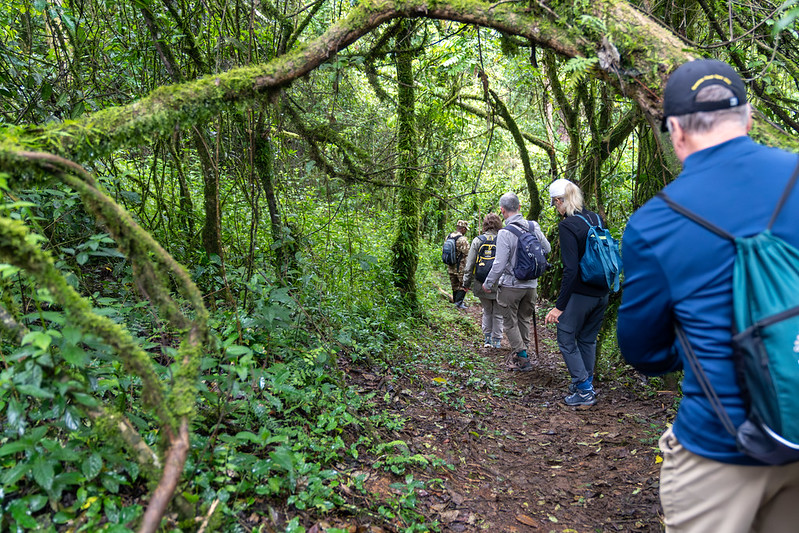
Gorilla trekking involves hiking through dense forests, mountains, and volcanic slopes to observe habituated gorilla families. It is both an adventure activity and a conservation effort, as trekking fees contribute directly to protecting gorillas and their habitats.
Trekking experiences vary depending on the location, terrain, and habituation level of gorilla groups. While it can be physically challenging, proper preparation makes the experience rewarding and safe.
2. Factors That Determine Gorilla Trekking Difficulty
Several factors affect how difficult a gorilla trek can be:
2.1 Terrain
-
Bwindi Impenetrable Forest, Uganda: Dense, steep trails with uneven ground
-
Volcanoes National Park, Rwanda: Volcanic slopes and bamboo forests; can be slippery
-
Mgahinga Gorilla National Park, Uganda: Smaller, less steep trails; suitable for beginners
-
Virunga National Park, DR Congo: Remote and rugged terrain requiring endurance
Hiking through forests, hills, and rivers can challenge balance, strength, and stamina.
2.2 Weather and Seasonal Conditions
-
Dry season (June–September, December–February): Trails are easier to navigate
-
Rainy season: Muddy, slippery paths and higher physical demands
-
Forest density and humidity may also affect comfort and energy levels
2.3 Gorilla Location and Habituation
-
Some gorilla families are well-habituated and easy to find
-
Others roam remote areas, requiring longer hikes and navigation through thick vegetation
2.4 Group Size and Trekking Pace
-
Small trekking groups allow personalized guidance
-
Guides adjust pace according to participants’ fitness and abilities
3. Physical Demands of Gorilla Trekking
3.1 Hiking Duration
-
Treks range from 2 to 8 hours depending on gorilla location
-
Some hikes involve steep climbs, river crossings, and thick undergrowth
3.2 Required Fitness Level
-
Moderate to good fitness is recommended
-
Cardiovascular endurance, leg strength, and stamina improve trekking comfort
-
Beginners can also participate with proper guidance and slower-paced treks
3.3 Hiking Challenges
-
Slippery trails, especially during the rainy season
-
Dense vegetation requiring bending, ducking, and sometimes crawling
-
Carrying a light backpack with essentials like water, snacks, and camera
Tip: Regular walking, hiking, or cardio exercises before your trip improve your trekking experience.
4. Essential Gear for Gorilla Trekking
Proper gear reduces difficulty and improves safety:
-
Hiking boots: Waterproof and sturdy for slippery trails
-
Long-sleeved shirts and pants: Protection from thorns, insects, and vegetation
-
Rain jacket or poncho: Essential during rainy seasons
-
Gloves: Useful for gripping bamboo or rough terrain
-
Walking stick: Helps with balance on uneven or steep paths
-
Binoculars and camera: For observing gorillas without disturbing them
Travel light to minimize fatigue and maximize comfort.
5. Mental and Emotional Preparation
Gorilla trekking can be mentally challenging as well as physically:
-
Patience is essential; gorillas may move slowly or change location
-
Silence is required to avoid disturbing gorillas, which can be mentally taxing
-
Observing wild animals in close proximity can be emotionally overwhelming
Understanding the behavior and communication of gorillas enhances the experience.
6. Trekking for Different Age Groups and Fitness Levels
Gorilla trekking is accessible to most adults:
-
Young adults: Often find trekking manageable and thrilling
-
Middle-aged trekkers: Moderate to good fitness helps manage long hikes
-
Older adults: Shorter treks, slower pace, and assistance from guides recommended
Children under 15 are generally not allowed for safety reasons.
7. Comparing Difficulty Across Gorilla Trekking Destinations
| Destination | Terrain | Duration | Difficulty |
|---|---|---|---|
| Bwindi Impenetrable Forest, Uganda | Dense forest, steep slopes | 2–8 hours | Moderate to high |
| Volcanoes National Park, Rwanda | Volcanic slopes, bamboo | 2–6 hours | Moderate to high |
| Mgahinga Gorilla National Park, Uganda | Smaller trails | 1–4 hours | Moderate |
| Virunga National Park, DR Congo | Remote, rugged | 4–8 hours | High |
Choosing the right destination depends on your fitness, experience, and preference for adventure.
8. Tips to Make Gorilla Trekking Easier
-
Train ahead: Hikes, stair climbing, or cardio workouts improve stamina
-
Hire experienced guides: They select the best routes and provide support
-
Pack light: Only carry essentials to avoid fatigue
-
Wear appropriate gear: Boots, gloves, and rain protection reduce discomfort
-
Stay hydrated and fueled: Drink water and eat light snacks before and during the trek
-
Go with reputable operators: Ensure safety, permits, and conservation compliance
Book your trekking tour with experienced guides: Monumental Expeditions and Safaris.
9. Common Challenges Trekkers Face
-
Steep and slippery trails during the rainy season
-
Dense vegetation slowing progress
-
Fatigue from long hikes
-
Altitude effects in highland regions
-
Wildlife encounters requiring caution
Despite challenges, the reward of seeing gorillas in their natural habitat outweighs the physical exertion.
10. Rewards of Gorilla Trekking
Even with physical and mental challenges, gorilla trekking offers unforgettable rewards:
-
Close-up encounters with silverback gorillas and their families
-
Observing natural behavior like feeding, grooming, and playing
-
Experiencing pristine forests, volcanic landscapes, and biodiversity
-
Supporting conservation and local communities
The combination of adventure, wildlife observation, and conservation makes gorilla trekking a life-changing experience.
11. Preparing for Success
-
Start fitness routines at least 4–6 weeks prior
-
Consult a doctor if you have pre-existing conditions
-
Carry light snacks, water, and a first aid kit
-
Follow all park rules and guide instructions
By preparing physically, mentally, and logistically, even first-time trekkers can enjoy gorilla trekking comfortably and safely.
12. Conservation and Ethical Considerations
-
Gorilla trekking funds conservation projects, protects habitats, and deters poaching
-
Visitors must respect wildlife, avoid touching gorillas, and minimize noise
-
Ethical tourism ensures gorillas remain in the wild for future generations
Learn more about supporting gorilla conservation at:
13. Conclusion
So, how difficult is gorilla trekking?
-
The difficulty depends on terrain, weather, fitness level, and gorilla location
-
Most trekkers with moderate fitness and proper preparation can complete treks
-
Challenges like steep trails, dense forests, and long hikes are balanced by the reward of seeing gorillas in their natural habitat
Gorilla trekking is a once-in-a-lifetime experience that combines adventure, wildlife observation, and support for conservation.
Plan your ethical and unforgettable gorilla trekking adventure today with Monumental Expeditions and Safaris.
Related Posts