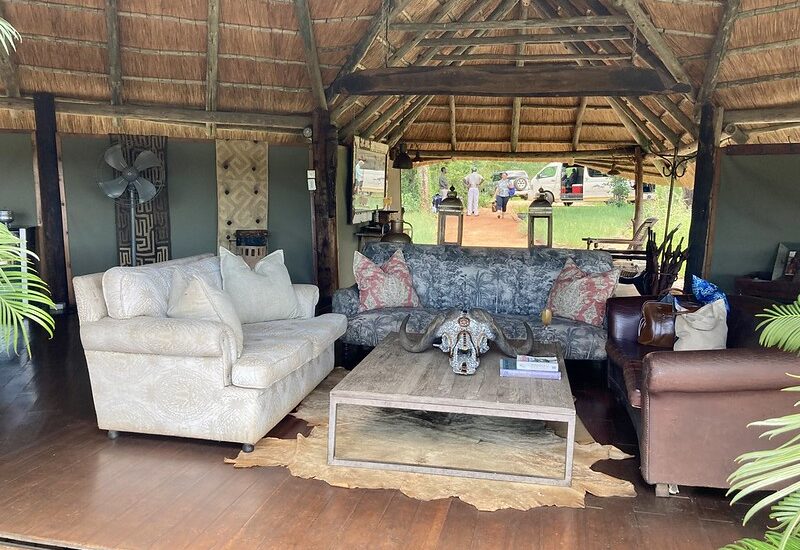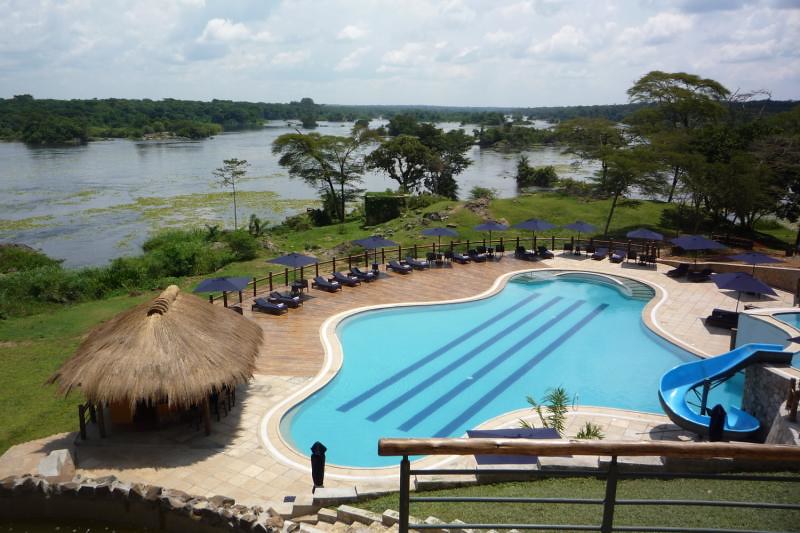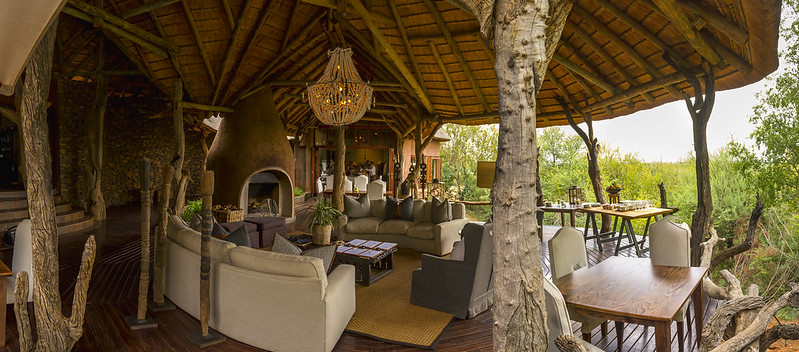
Top 10 Best Luxury Hwange Safari Lodges & Camps Hwange National Park, Zimbabwe's largest and…
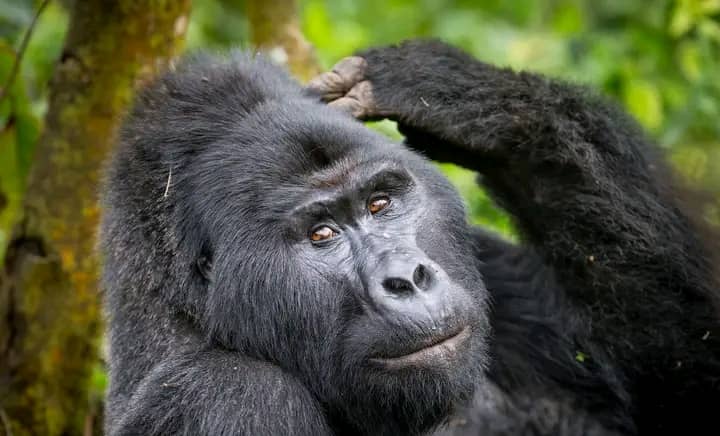
How long do gorillas live? | Gorilla trekking safaris
How Long Do Gorillas Live? Lifespan, Factors, and Conservation Insights
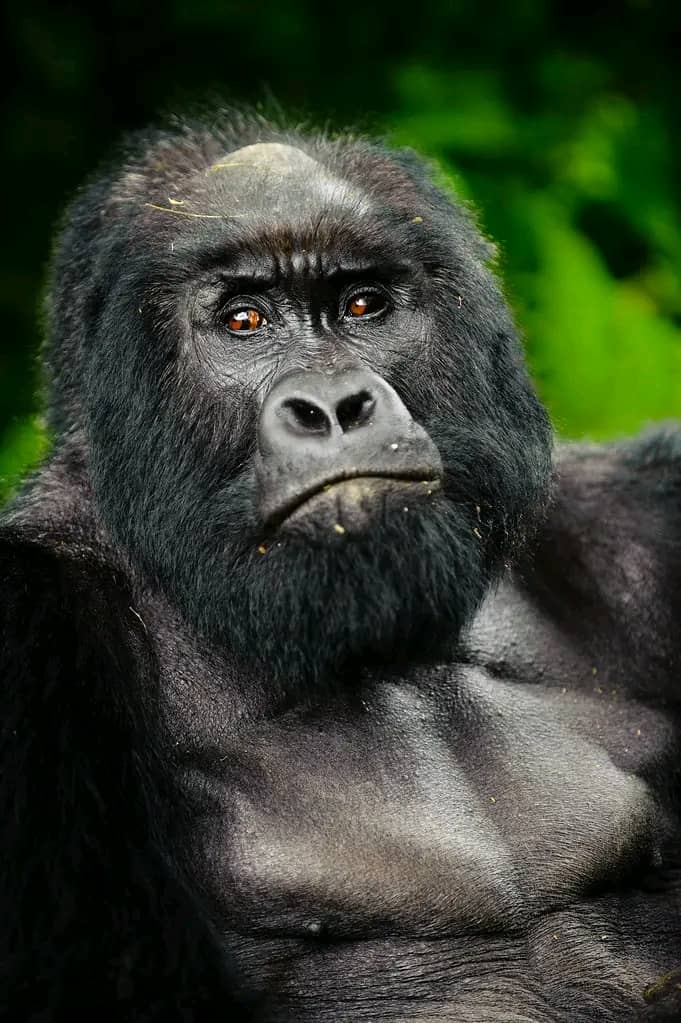
Gorillas are some of the most fascinating and powerful primates in the world. Known for their intelligence, social structure, and gentle demeanor, they are also among the longest-living great apes. If you’ve ever wondered “how long do gorillas live?”, this guide will give you a complete overview of their lifespan in the wild, in captivity, and the factors that influence their longevity. We’ll also explore where gorillas live, their behavior, and how conservation efforts help ensure they thrive for generations.
Planning to see gorillas in the wild? Check out Monumental Expeditions and Safaris for guided treks, permits, and safari packages.
1. Introduction: Gorillas as Long-Lived Primates
Gorillas are divided into two main species:
-
Eastern gorillas (Gorilla beringei)
-
Mountain gorillas (Gorilla beringei beringei)
-
Eastern lowland gorillas (Gorilla beringei graueri)
-
-
Western gorillas (Gorilla gorilla)
-
Western lowland gorillas (Gorilla gorilla gorilla)
-
Cross River gorillas (Gorilla gorilla diehli)
-
Understanding the lifespan of gorillas is crucial for conservation planning and for anyone considering a gorilla trekking safari.
2. Lifespan of Gorillas in the Wild
2.1 Mountain Gorillas
-
Average lifespan: 35–40 years in the wild
-
Oldest recorded individuals: Over 50 years
-
Mountain gorillas live in the Virunga Mountains (Uganda, Rwanda, DR Congo) and Bwindi Impenetrable Forest (Uganda).
-
Factors affecting lifespan include disease, predation (rare), and human interference.
For mountain gorilla trekking experiences, visit: Monumental Expeditions and Safaris.
2.2 Eastern Lowland Gorillas
-
Average lifespan: 30–40 years
-
These gorillas are the largest subspecies, living in eastern DR Congo.
-
Habitat destruction and civil unrest have historically reduced longevity, but protected areas like Kahuzi-Biega National Park are helping populations survive longer.
2.3 Western Lowland Gorillas
-
Average lifespan: 35–50 years
-
Found in Central Africa, including Gabon, Republic of Congo, and Cameroon.
-
They benefit from a wider range but face significant threats from poaching and disease.
2.4 Cross River Gorillas
-
Average lifespan: 30–35 years
-
Extremely rare, with fewer than 300 individuals.
-
Their small populations and fragmented habitats make long life more challenging.
3. Lifespan of Gorillas in Captivity
Gorillas in captivity often live longer than their wild counterparts due to consistent food supply, veterinary care, and absence of predators.
-
Average lifespan in captivity: 40–60 years
-
Some individuals have lived into their mid-60s.
-
Famous examples include Colo, the first gorilla born in captivity (Cincinnati Zoo), who lived to 60 years.
Captive gorillas provide valuable insights into health, reproduction, and lifespan that support wildlife conservation.
4. Factors That Affect Gorilla Lifespan
4.1 Diet
Gorillas are herbivores, primarily eating leaves, shoots, fruit, bark, and roots. Adequate nutrition is critical for growth and longevity.
-
Mountain gorillas eat more leaves and bamboo shoots due to their high-altitude habitats.
-
Western lowland gorillas consume more fruit, which can impact energy intake and health.
4.2 Genetics
-
Genetic factors influence immune system strength, metabolism, and growth, affecting lifespan.
-
Inbreeding in small, isolated populations can reduce longevity.
4.3 Habitat and Environment
-
Access to dense forests, water, and safe nesting areas improves survival.
-
Deforestation and habitat fragmentation can reduce lifespan by increasing stress and exposure to humans.
4.4 Human Interaction
-
Poaching, logging, and human conflict drastically reduce gorilla lifespan in the wild.
-
Conservation areas and strict anti-poaching laws have improved longevity in protected regions.
4.5 Disease
-
Gorillas are susceptible to respiratory infections, Ebola, and other diseases.
-
Outbreaks can severely reduce the average lifespan of a population.
5. Life Stages of Gorillas
Understanding the life stages of gorillas helps contextualize their lifespan:
-
Infancy (0–3 years)
-
Dependent on mother for food and protection.
-
High vulnerability; infant mortality affects average lifespan.
-
-
Juvenile (3–6 years)
-
Begin independent feeding and social learning.
-
-
Adolescence (6–10 years)
-
Social hierarchy learning, rapid growth.
-
Males begin developing physical features that signal future dominance.
-
-
Adult (10+ years)
-
Males become silverbacks around 12–13 years.
-
Full growth, leadership, and reproductive maturity.
-
-
Elder (35+ years)
-
Older gorillas often remain in the troop but may lose dominance.
-
Experience and knowledge help protect the troop.
-
6. Comparing Gorilla Lifespan to Humans
While humans typically live 70–80 years, gorillas have shorter lifespans, usually peaking around 35–50 years. Despite this, their physical maturity is faster:
-
Sexual maturity occurs at 8–12 years for females and 10–12 years for males.
-
Full adult size is reached around 12–15 years.
Gorillas’ life expectancy is heavily influenced by environmental stressors and conservation measures.
7. Why Conservation Matters for Lifespan
Protected habitats have increased gorilla longevity over the past decades. For example:
-
Mountain gorilla populations in Uganda, Rwanda, and DR Congo have increased due to anti-poaching and community involvement.
-
Wildlife tourism — especially gorilla trekking safaris — provides funds for protection and local communities.
Learn more about conservation programs here:
8. Where to See Gorillas in the Wild
If you want to see gorillas — and witness their life stages — there are key destinations:
8.1 Bwindi Impenetrable Forest, Uganda
-
Home to nearly half the world’s mountain gorillas
-
Accessible trekking and habituated gorilla families
-
Perfect for observing family dynamics across life stages
8.2 Volcanoes National Park, Rwanda
-
Historic site of Dian Fossey’s research
-
Easy access from Kigali, well-maintained trails
8.3 Mgahinga Gorilla National Park, Uganda
-
Smaller park with peaceful trekking
-
Fewer tourists, more intimate wildlife experience
8.4 Virunga National Park, DR Congo
-
Africa’s oldest national park
-
Wild and remote gorilla trekking opportunities
Plan your gorilla trekking adventure: Monumental Expeditions and Safaris
9. Fascinating Facts About Gorilla Lifespan
-
Wild gorillas rarely live past 50 years, but some individuals have exceeded expectations.
-
Silverbacks often lead their troops for 15–20 years before aging.
-
Infant gorilla mortality can reduce overall population lifespan, highlighting the need for protection of young gorillas.
-
Captive gorillas often live longer due to veterinary care and consistent nutrition.
-
Older gorillas display wisdom and leadership, critical for troop survival.
10. Conclusion
So, how long do gorillas live?
-
In the wild: 30–50 years, depending on species and environment
-
In captivity: 40–60 years, occasionally older
-
Factors influencing lifespan include diet, habitat, human threats, genetics, and disease
Gorillas are among the longest-living primates on Earth, and conservation efforts are critical to ensure they continue to thrive. Seeing them in their natural habitat is a once-in-a-lifetime experience that not only supports wildlife but also helps communities and global conservation efforts.
To plan a gorilla trekking safari and witness these amazing animals, contact us, Monumental Expeditions and Safaris
Related Posts