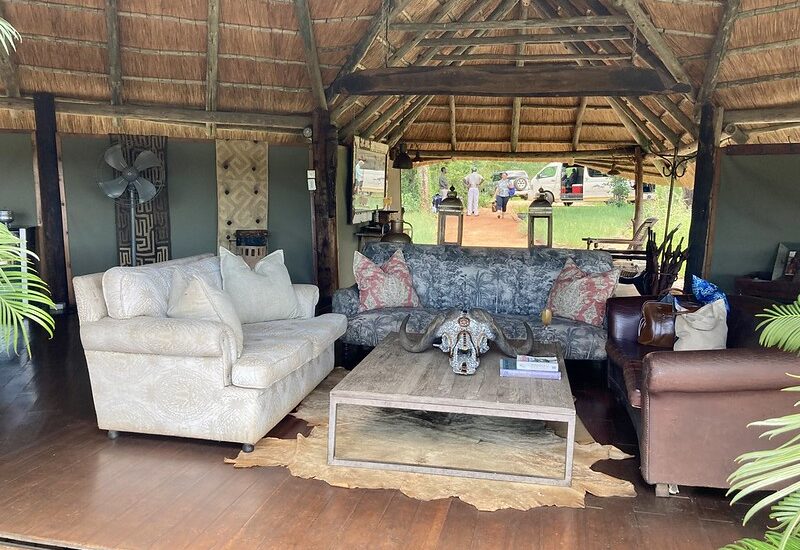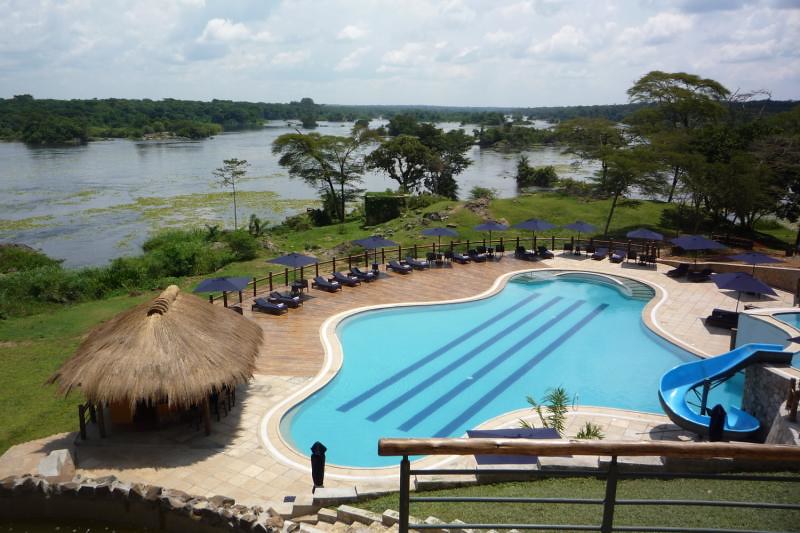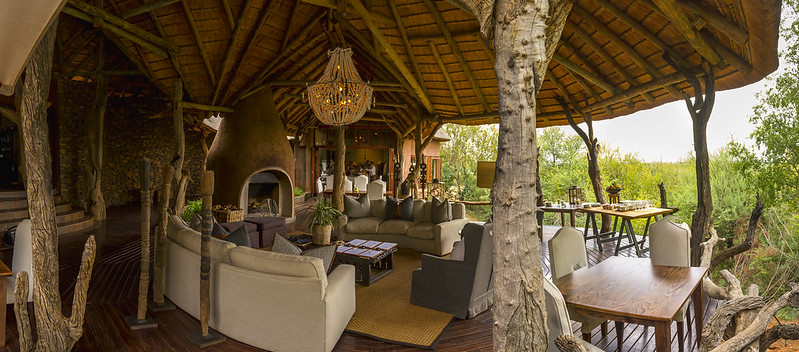
Top 10 Best Luxury Hwange Safari Lodges & Camps Hwange National Park, Zimbabwe's largest and…
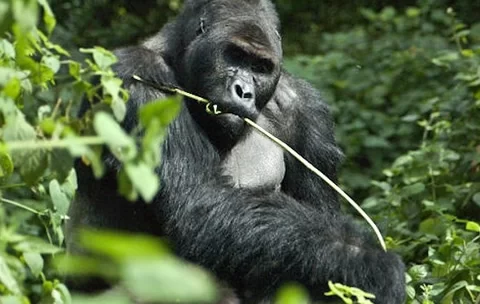
How big can a silverback gorilla get? | Gorilla safaris
How Big Can a Silverback Gorilla Get? The Ultimate Guide to the Size, Strength, and Power of Africa’s Gentle Giants
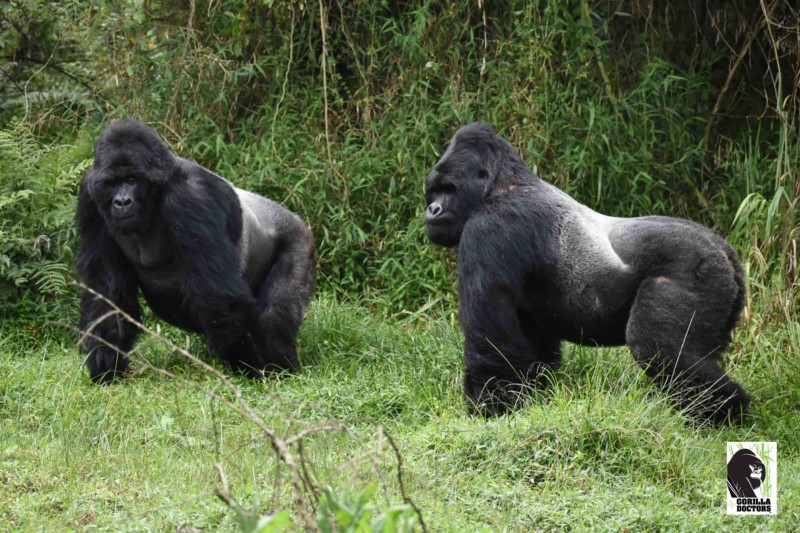
When you think of gorillas, the first image that comes to mind is often the majestic silverback — the dominant adult male whose sheer size, strength, and presence command respect in every gorilla family. But how big can a silverback gorilla get? Just how powerful are they, and what makes them grow so large?
This comprehensive guide breaks down the size, weight, strength, and physical features of silverback gorillas, where they live, how they compare with humans, and why trekking to see them in the wild is one of the most incredible wildlife experiences on Earth.
What Is a Silverback Gorilla?
A silverback is an adult male gorilla, typically 12 years or older, whose back develops a distinctive silver or grayish-white saddle of hair. This color change signals maturity, dominance, and leadership.
A silverback is usually:
-
The leader of the gorilla family (called a troop).
-
Responsible for protecting group members.
-
The one who makes decisions about feeding, nesting, and movement.
-
The largest and strongest gorilla in the troop.
Their extraordinary size makes them one of the most powerful primates in the world.
How Big Can a Silverback Gorilla Get?
The size of a silverback depends on the species and environment. In Africa, you’ll find two species:
-
Eastern gorillas (including mountain gorillas and eastern lowland gorillas)
-
Western gorillas (including western lowland and Cross River gorillas)
Below is a breakdown of their size ranges.
Average Size of a Silverback Gorilla
1. Height of a Silverback Gorilla
A fully grown silverback typically stands:
-
1.4 to 1.8 meters (4.7 to 5.9 feet) tall when standing upright
-
Around 1.7 meters (5.6 feet) on average
However, gorillas rarely stand fully upright like humans. Their natural posture is knuckle-walking, which makes them appear shorter but even more muscular and compact.
2. Weight of a Silverback Gorilla
Silverbacks are extremely heavy due to their dense muscle mass.
Mountain gorilla silverbacks
-
160–220 kg (350–485 lbs)
-
Exceptionally large males may exceed 230 kg (507 lbs)
Eastern lowland gorilla silverbacks (Grauer’s gorilla)
These are the largest gorillas in the world.
-
up to 250 kg (551 lbs)
-
Some records suggest individuals reaching 270 kg (595 lbs)
Western lowland gorilla silverbacks
-
140–200 kg (300–440 lbs)
Even the smallest silverback species is nearly twice as heavy as the heaviest human bodybuilder.
Chest, Arm, and Shoulder Size
Silverbacks have massive upper bodies to support their incredible strength.
Average measurements:
-
Chest circumference: 1.8–2.1 meters (70–83 inches)
-
Arm length: Up to 2.4 meters (8 feet) from fingertip to fingertip
-
Shoulders: Extremely broad and muscular
Their long arms help them move efficiently on all fours and deliver extremely powerful movements when needed.
Why Are Silverback Gorillas So Large?
Several factors contribute to their massive size:
1. Muscle Density
Silverbacks have much denser muscles than humans. Even without protein-rich diets, their bodies naturally produce strong, thick musculature.
2. Leaf-Rich Diet
Their plant-based diet — rich in bamboo shoots, wild celery, nettles, stems, bark, and leaves — fuels weight gain efficiently.
3. Energy Needs
Dominant males need strength for:
-
Protecting their family
-
Competing with rival males
-
Long hours of travel and feeding
4. Hormonal Development
As males mature, their bodies produce hormones such as testosterone, causing rapid growth after age 10.
Silverback Gorilla Strength: How Strong Are They?
When people ask “How big can a silverback gorilla get?” they often also wonder about strength.
A silverback’s strength is estimated at 10 times stronger than the average adult human.
They can:
-
Lift up to 815 kg (1,800 lbs)
-
Bend thick steel bars
-
Tear down banana trees effortlessly
-
Throw objects weighing over 200 kg (440 lbs)
-
Run at 40 km/h (25 mph) despite their size
Their power is not for aggression — silverbacks are naturally peaceful unless threatened.
For scientific references on gorilla strength, see research from the Jane Goodall Institute:
https://janegoodall.org
Silverback Gorillas by Subspecies: Who Is the Biggest?
1. Eastern Lowland Gorilla – The Biggest of All
The eastern lowland gorilla (Grauer’s gorilla) is the largest living primate.
-
Males can reach 250–270 kg
-
Found in the Democratic Republic of Congo
2. Mountain Gorilla – Largest in Altitude, Very Heavy
Mountain gorillas are bulkier due to colder climates:
-
160–220+ kg
-
Live in Uganda, Rwanda, and DR Congo
Plan a mountain gorilla safari at:
https://gorillatrackings.com
3. Western Lowland Gorilla – Slightly Smaller but Widespread
-
140–200 kg
-
Found in West and Central Africa
4. Cross River Gorilla – The Rarest and Smallest
-
Around 140–180 kg
-
Fewer than 300 individuals left
More information on conservation:
https://www.worldwildlife.org/species/gorilla
How Does a Silverback Gorilla Compare to a Human?
| Feature | Silverback Gorilla | Adult Human |
|---|---|---|
| Weight | 160–250 kg | 70–90 kg |
| Height | 1.4–1.8 m | 1.6–1.8 m |
| Arm span | 2.3–2.4 m | 1.8–2 m |
| Strength | 10× human | baseline |
| Chest size | Up to 2.1 m | 1 m |
Even the strongest humans — powerlifters, wrestlers, or bodybuilders — are significantly weaker.
Silverbacks are built for brute power, stability, and protection.
How Do Silverbacks Get So Big on a Vegetarian Diet?
This is one of the most common questions among tourists.
Gorillas eat:
-
Leaves
-
Bark
-
Roots
-
Bamboo
-
Fruits
-
Stems and shoots
But they eat a lot — up to 30 kg (65 pounds) of vegetation daily.
Their body converts cellulose into fat and muscle much more efficiently than humans, thanks to specialized gut bacteria and digestive processes.
Behavior Linked to Size: Why Silverbacks Matter
Silverbacks don’t grow big just for appearance; their size is central to family survival.
They use size to:
-
Protect the troop from predators and rival silverbacks
-
Maintain peace during disputes
-
Attract females
-
Lead movement through thick forests
-
Defend territory
A silverback’s enormous body is a biological advantage that ensures troop stability.
Where Can You See Silverback Gorillas in the Wild?
There are only four places on earth where you can trek to see wild silverbacks:
1. Bwindi Impenetrable National Park, Uganda
Home to almost half of the world’s mountain gorillas.
Learn more:
https://gorillatrackings.com
2. Mgahinga Gorilla National Park, Uganda
A smaller but stunning park on the Virunga volcanic range.
3. Volcanoes National Park, Rwanda
Famous for conservation pioneer Dian Fossey.
4. Virunga National Park, DR Congo
Africa’s oldest national park and home to both mountain and eastern lowland gorillas.
Why Trekking Silverbacks Is a Life-Changing Experience
Seeing a massive silverback gorilla in its natural habitat is one of the world’s most powerful wildlife encounters.
You experience:
-
The quiet authority of a dominant male
-
His protective nature over his family
-
The raw strength and gentleness combined
-
An intimate look at one of the closest relatives to humans
Silverbacks are intelligent, emotional, and peaceful — a reminder of our connection to the natural world.
To plan a gorilla trekking safari: Monumental Expeditions and Safaris
Conservation Status: Why Silverbacks Need Protection
Gorillas face threats such as:
-
Habitat loss
-
Poaching
-
Human conflict
-
Disease (especially respiratory infections)
Thanks to conservation initiatives, mountain gorillas have moved from “Critically Endangered” to “Endangered.”
But their future depends on continued protection, community engagement, and responsible tourism.
Final Thoughts: How Big Can a Silverback Gorilla Really Get?
So, how big can a silverback gorilla get?
-
Up to 250+ kg (550 lbs)
-
Up to 1.8 meters tall
-
With an arm span of 2.4 meters
-
And strength 10 times greater than a human
Silverbacks are the largest primates on earth, combining incredible power with surprising gentleness.
Seeing one in the wild is an unforgettable experience — and one of the best wildlife encounters Africa has to offer.
To book your gorilla trekking adventure, contact us: Monumental Expeditions and Safaris
Related Posts