Is gorilla trekking safe in Rwanda? Gorilla trekking in Rwanda is one of the most…
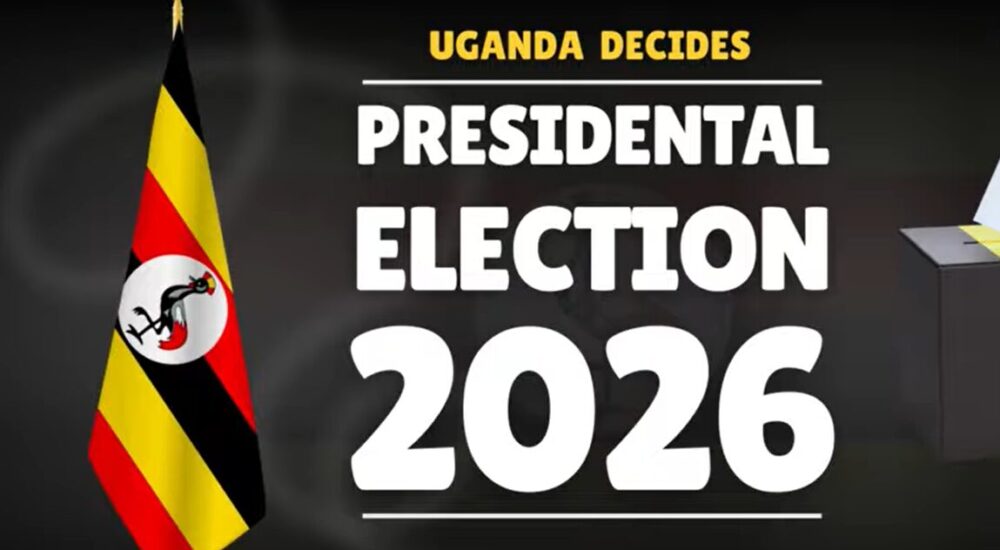
The 2026 Presidential Elections and Its Impact on Tourism
Introduction
Why Elections Matter for Tourism
Political Stability and Visitor Confidence
Tourism thrives on perceptions of safety, stability and predictability. When an election approaches, travellers may ask: Will my trip go smoothly? Will the destination be safe? If the answers are uncertain, bookings may be delayed or cancelled.
Economic Ripple‑Effects
Elections often lead to changes in fiscal policy, currency fluctuations, and shifts in public spending. These macro‑economic changes affect accommodation prices, travel costs, exchange rates and operational costs for tourism businesses.
Destination Marketing and Brand Impact
Election campaigns, media coverage of rallies, protests or unrest, can affect how a country is portrayed abroad. A negative headline or image can dissuade potential visitors. Conversely, a smooth democratic process can enhance destination credibility.
Infrastructure, Services and Logistics
During high‑stakes elections, local governments may redirect security, transport resources, or administrative focus toward electoral logistics. This can lead to traffic delays, flight disruptions, internet or telecommunications interruptions, or altered itineraries.
The Case of Uganda’s 2026 Presidential Elections
Background
Uganda is preparing for its 2026 general elections (which include the presidential contest). Tourism is a key sector: generating foreign exchange, creating jobs and supporting livelihoods.
Official Reassurances
To calm international visitors, government representatives have publicly emphasized that the country remains safe for tourists during the election period. For example, Edith Nakalema of the State House Investors Protection Unit emphasized that “tourism is a cornerstone of our economy” and that security will be maintained in parks and visitor zones.
Specific Impacts and How They Are Being Managed
- Traffic and Delays: Election activities often lead to increased security checks, road closures and heavy traffic in urban areas (e.g., Kampala). These could affect airport transfers or travel to/from safari lodges.
- Currency / Cost Impacts: Fluctuations in the Ugandan shilling during election periods could affect costs for tourists.
- Security Presence: Heightened security in urban and tourist zones can give travelers increased peace of mind.
- Park Access: Most of Uganda’s major safari parks and rural tourism zones are far from election hotspots, meaning they are less affected by urban disturbance.
- Communication Interruptions: Risk of government-imposed internet or social media restrictions exists during or around election day. This could impact real-time trip management.
Broader Impacts of the 2026 Elections on Global Tourism
Short‑Term Risk vs Long‑Term Opportunity
In the short term, elections bring risk: bookings may slow, businesses may delay investments, and visitors may adopt a wait‑and‑see approach. But in the long term, successful, peaceful democratic transitions can bolster a country’s reputation, encourage inbound investment, and ultimately stimulate tourism.
Behaviour of Different Traveller Segments
- Leisure Travelers: May postpone non‑essential trips until after the election outcome is known.
- Business Travelers: May be more sensitive to uncertainties in infrastructure, security or administrative operations.
- Adventure and Remote Tourism: Often least affected, as they operate far from political hotspots.
- MICE (Meetings, Incentives, Conferences, Events): May see cancellations or postponements due to timing or financial caution.
Destination Marketing and Timing
Destinations may emphasize that “the show goes on” despite election timing, reinforcing messaging like: “National parks unaffected”, “Flights operating as usual”, “Accommodation normal rates”.
Regulatory and Policy Shifts
Post-election governments may revise tourism taxes, visa policies, or budgets—potentially encouraging or hindering growth.
External Perceptions and Media Influence
Negative press on electoral unrest can trigger foreign travel advisories. Conversely, well-executed democratic processes build global confidence.
What Could Go Wrong? And Mitigation
- Election-related unrest: Avoid central urban zones during elections.
- Telecom blackouts: Save offline maps and print travel documents.
- Currency risks: Use secure exchange services or prepaid travel cards.
- Media panic: Consult verified sources and tour operators before reacting.
Why Tourism Might Still Thrive Despite Elections
- Top destinations like national parks remain largely unaffected.
- Governments strive to maintain tourism income even during elections.
- Post-election rebounds offer strong recovery potential.
- Positive elections enhance destination branding globally.
Projections & Key Metrics to Watch
- Booking trends and cancellation rates during election windows.
- Occupancy data in urban vs. rural tourism zones.
- Media tone in destination reporting.
- Currency strength and affordability for visitors.
- Travel advisories from embassies and governments.
Conclusion
The 2026 presidential elections present both a challenge and an opportunity for the tourism sector. On one hand, elections introduce uncertainty, potential disruption, and risk to visitor confidence. On the other, they offer the chance to demonstrate destination resilience, reinforce safety and build stronger brand equity.
For destinations like Uganda, the message is clear: while urban election activity may lead to temporary delays or congestion, core tourism zones (safari parks, lodges, and cultural attractions) continue to operate safely and smoothly. For stakeholders across the industry, the key is to stay informed, plan ahead, communicate clearly, and embrace the opportunity that democratic transitions bring.
Related Posts