Primate walks in Bigodi wetland actuary – Bigodi Swamp walks. Primate walks in Bigodi Wetland…
The Cost of Chimpanzee Permits in Uganda and Rwanda
The Cost of Chimpanzee Permits in Uganda and Rwanda
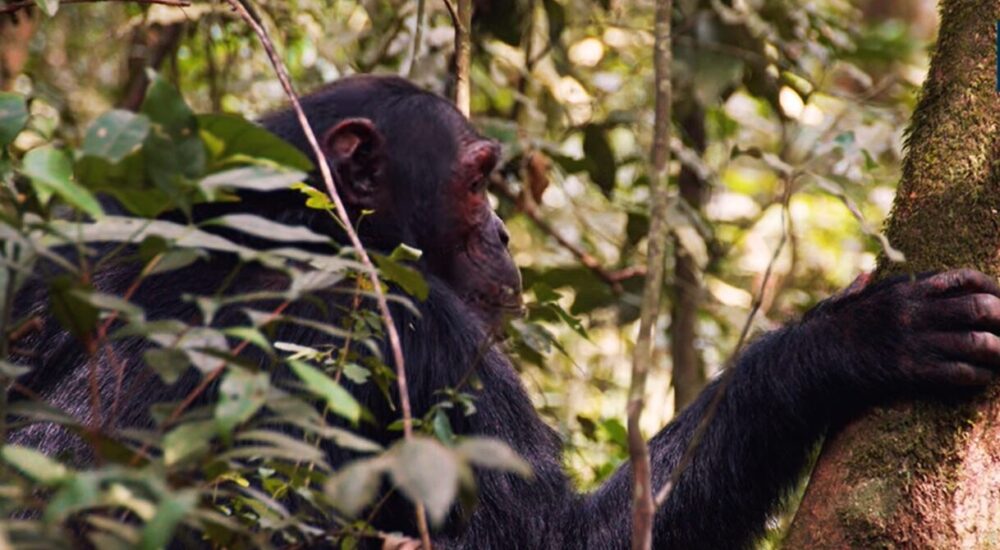
Chimpanzee trekking offers an unparalleled opportunity to observe our closest living relatives in their natural habitats. Both Uganda and Rwanda provide exceptional chimpanzee trekking experiences, each with its own set of regulations and permit costs. Understanding these costs is crucial for planning your primate adventure.
Chimpanzee Trekking in Uganda
Kibale National Park
Kibale National Park, often referred to as the “primate capital of the world,” is renowned for its dense population of chimpanzees. The park offers both standard trekking and the more immersive Chimpanzee Habituation Experience (CHEX).
- Trekking Permits:
- Foreign Non-Residents: $250 USD
- Foreign Residents: $200 USD
- East African Citizens: UGX 180,000
- Habituation Experience Permits:
- Foreign Non-Residents: $300 USD
- Foreign Residents: $250 USD
- East African Citizens: UGX 250,000
These permits allow visitors to spend extended periods observing chimpanzee behavior, providing deeper insights into their social structures and daily activities.
Budongo Forest Reserve
Located within Murchison Falls National Park, Budongo Forest offers both trekking and habituation experiences.
- Trekking Permits:
- Foreign Non-Residents: $130 USD
- Foreign Residents: $120 USD
- East African Citizens: Approximately $85 USD
- Habituation Experience Permits:
- Foreign Non-Residents: $230 USD
- Foreign Residents: $160 USD
- East African Citizens: $90 USD
Budongo’s chimpanzee communities are known for their unique behaviors and interactions, making it a fascinating destination for primate enthusiasts.
Kyambura Gorge
Situated in Queen Elizabeth National Park, Kyambura Gorge offers a different chimpanzee trekking experience.
- Trekking Permits:
- Foreign Non-Residents: $100 USD
- Foreign Residents: $80 USD
- East African Citizens: UGX 50,000
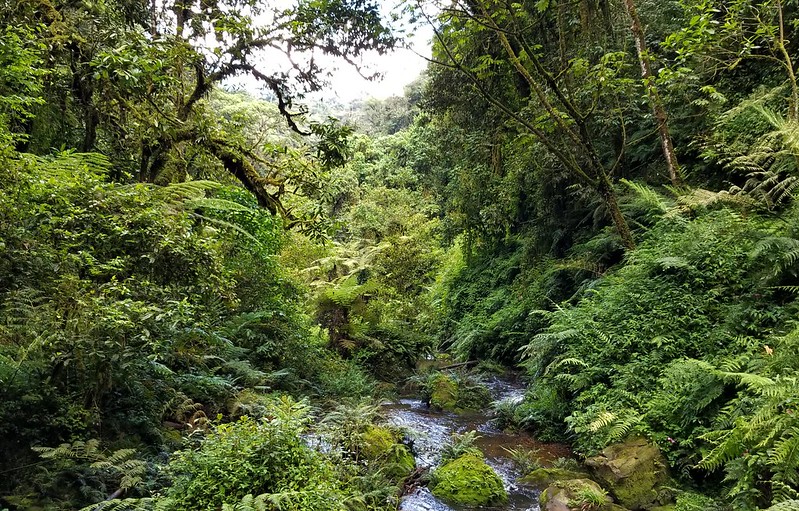
The gorge’s unique ecosystem provides a distinct backdrop for chimpanzee observation, differing from the forested environments of other parks.
Chimpanzee Trekking in Rwanda
Nyungwe Forest National Park
Nyungwe Forest is Rwanda’s premier destination for chimpanzee trekking, offering lush, biodiverse environments.
- Trekking Permits:
- Foreign Non-Residents: $150 USD
- Foreign Residents: $75 USD
- East African Citizens: $25 USD
These permits grant access to the forest’s chimpanzee groups, allowing visitors to witness their natural behaviors in a pristine setting.
Comparative Overview
| Country | Park/Reserve | Trekking Permit (Foreign Non-Residents) | Habituation Permit (Foreign Non-Residents) |
|---|---|---|---|
| Uganda | Kibale National Park | $250 | $300 |
| Uganda | Budongo Forest Reserve | $130 | $230 |
| Uganda | Kyambura Gorge | $100 | N/A |
| Rwanda | Nyungwe Forest National Park | $150 | N/A |
Planning Your Trek
- Booking Permits: It is advisable to book your permits well in advance, especially during peak seasons (June–September and December–February), as availability can be limited.
- Additional Costs: Note that park entry fees are often separate from trekking permits and may vary by park.
- Guided Tours: Engaging with local tour operators can enhance your experience by providing knowledgeable guides and handling logistics efficiently.
Conservation Efforts
The revenue generated from trekking and habituation permits plays a crucial role in conservation efforts, including:
- Habitat Preservation: Maintaining and protecting the natural habitats of chimpanzees.
- Anti-Poaching Initiatives: Implementing measures to prevent illegal hunting and trafficking.
- Community Engagement: Involving local communities in conservation efforts and providing alternative livelihoods.
Final Thoughts
Both Uganda and Rwanda offer unique chimpanzee trekking experiences, each with its own set of regulations and costs. Your choice may depend on factors such as budget, preferred trekking environment, and additional wildlife interests. Regardless of your choice, both destinations provide unforgettable opportunities to connect with our closest primate relatives in their natural habitats.
Related Posts