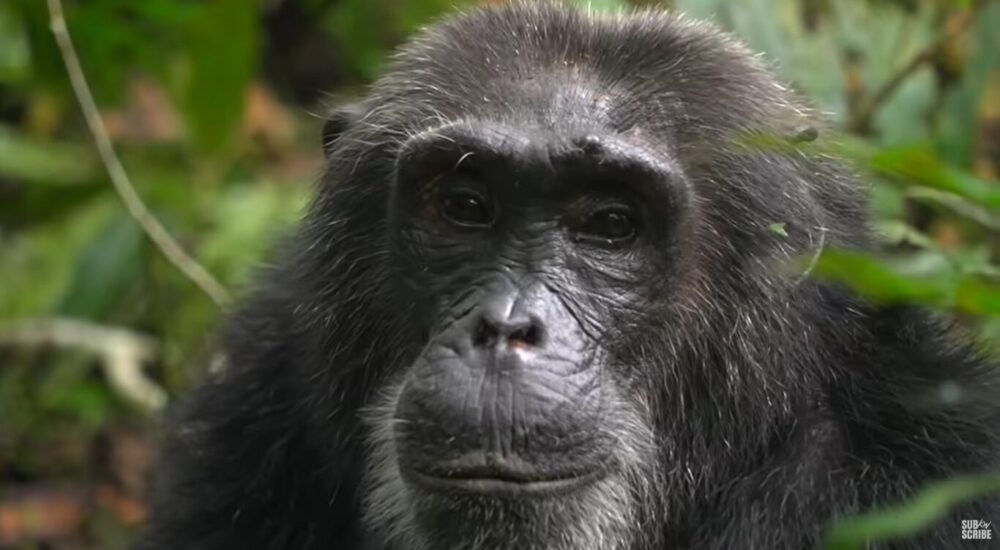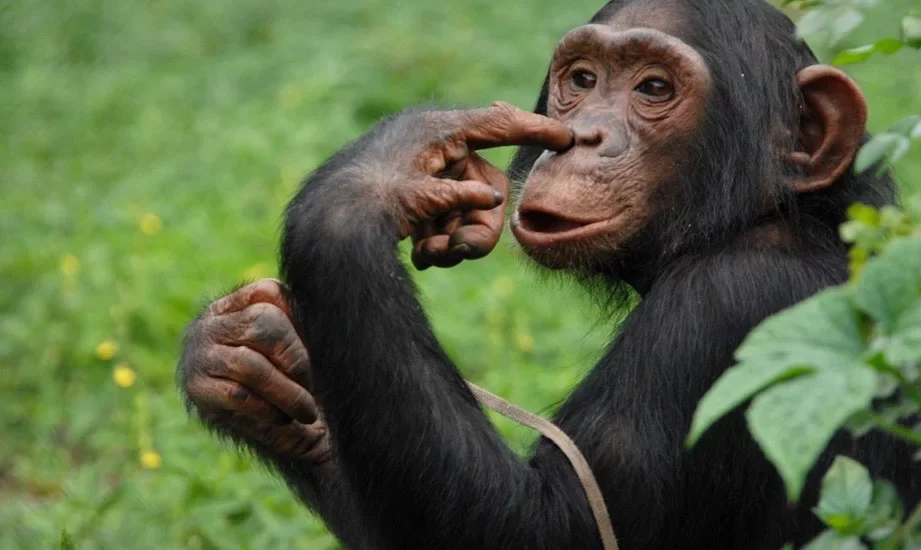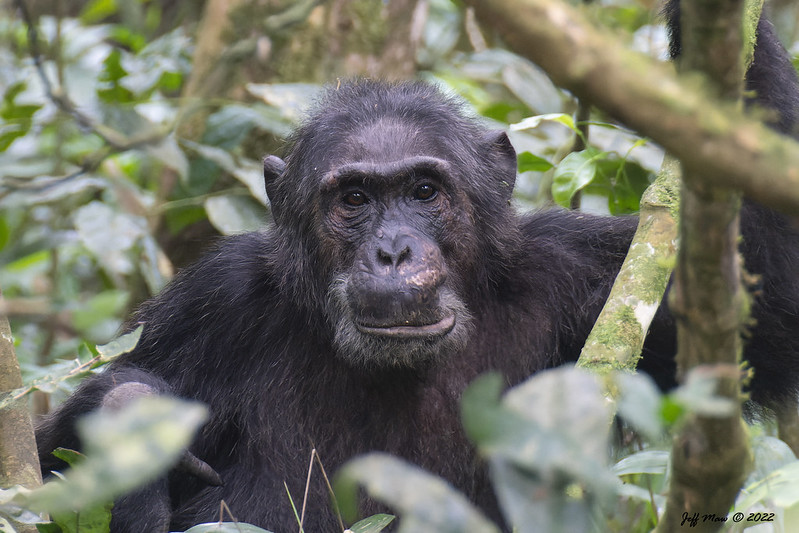
Chimpanzee Tracking in Kibale: Uganda's Primate Paradise Chimpanzee tracking in Kibale National Park offers one…
Chimpanzee Facts – Habitat, Diet and Mating
Chimpanzee Facts – Habitat, Diet and Mating
Introduction
Chimpanzee Habitat
Geographical Range
Chimpanzees inhabit a wide range of environments across West, Central, and East Africa. Countries such as Uganda, Cameroon, Tanzania, and the Democratic Republic of Congo host major populations.
Habitat Types
They are commonly found in:
- Tropical rainforests
- Swamp and montane forests
- Woodland–savanna mosaics
Despite being associated with forests, chimpanzees are highly adaptable and can thrive in mixed environments.
Arboreal and Terrestrial Behavior
Chimpanzees are both tree-dwellers and ground walkers. They build nests in trees for sleeping and use knuckle-walking for terrestrial movement.
Territory and Social Structure
Living in fission–fusion societies, chimpanzees form communities of 15–80 individuals. They defend their territory and exhibit complex social behaviors tied to their environment.
Chimpanzee Diet
Omnivorous but Primarily Frugivorous
The typical chimpanzee diet includes:
- Fruits (main component)
- Leaves, stems, bark
- Insects such as termites and ants
- Occasional meat from monkeys or small mammals
Tool Use in Foraging
Chimpanzees use tools such as sticks to extract insects or rocks to crack nuts. This tool use varies by population and is often passed down through learning.
Seasonal Adjustments
When fruits are scarce, chimpanzees consume fallback foods like bark or cultivate nearby crops, often leading to conflict with humans.
Chimpanzee Mating and Reproduction
Reproductive Cycle
Females reach sexual maturity around 13–14 years. The gestation period is about 8 months, usually resulting in a single infant.
Sexual Swelling and Mating
Females display a large sexual swelling when ovulating, attracting multiple males. The mating system is promiscuous, with both sexes mating with multiple partners.
Male Competition and Alpha Status
Alpha males often have greater access to fertile females but must constantly maintain dominance. Subordinate males may form alliances or sneak mating opportunities.
Infant Care
Mothers provide intensive care, carrying infants on their bodies and nursing for up to five years. The maternal bond is essential for survival.
Infanticide and Cannibalism
Though rare, infanticide occurs, often by males trying to increase mating opportunities. Occasionally, cannibalism has been observed in some groups.
Social Structure and Communication
Chimpanzees live in complex societies with behaviors like:
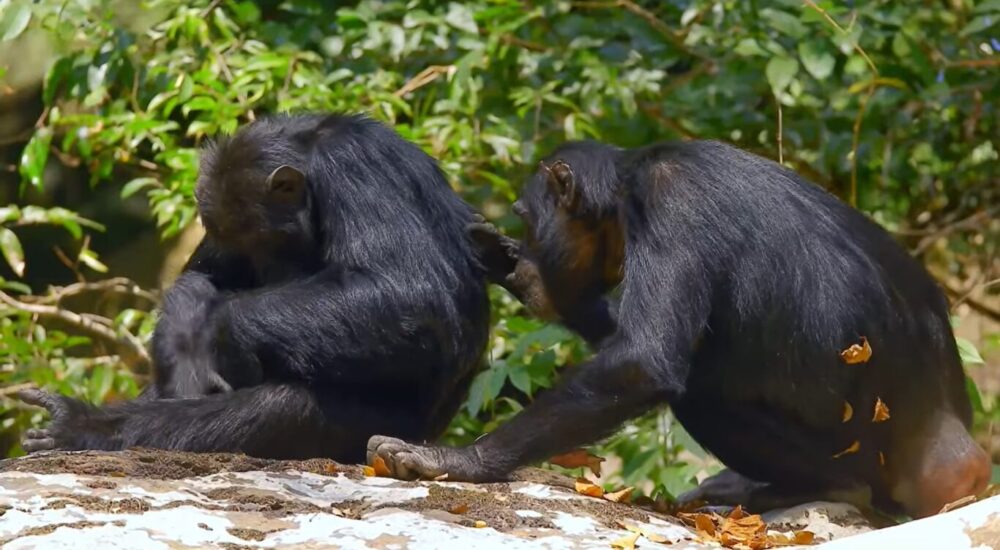
- Grooming for social bonding
- Vocal and gestural communication
- Tool sharing and cooperative hunting
Social behavior influences how chimpanzees use their habitat, share food, and form mating relationships.
Conservation Status
Chimpanzees are listed as Endangered due to habitat loss, poaching, disease, and the illegal pet trade.
Major Threats
- Deforestation for agriculture and mining
- Hunting and bushmeat trade
- Disease transmission from humans (e.g. Ebola)
- Human–wildlife conflict
Conservation Efforts
Current measures include:
- Protected areas and forest corridors
- Community-based conservation
- Public education and ecotourism
- Law enforcement and anti-poaching patrols
Interesting Facts
- Chimpanzees share 98–99% of human DNA
- They have culture—different groups use different tools
- They sometimes self-medicate with specific plants
- They can live up to 50 years in the wild
- Some have been seen drinking fermented palm sap
Related Posts