Personal Development Workshops in Uganda Personal development workshops in Uganda are gaining momentum as key…
10 Most Dangerous Aquatic Animals in Africa You Should Never Ignore
10 Most Dangerous Aquatic Animals in Africa You Should Never Ignore
Africa is famous for its lions and elephants, but the continent’s aquatic ecosystems—rivers, lakes, and oceans—are home to some of the most dangerous creatures on Earth. Whether you’re planning a safari, river cruise, or beach vacation, knowing which animals to avoid can save your life.
1. Nile Crocodile (Crocodylus niloticus)
The Nile crocodile is Africa’s largest reptile and perhaps its deadliest. Growing up to 6 meters (20 feet), it lurks in rivers, lakes, and swamps, ambushing prey with lightning speed.
- Where: Nile River, Lake Victoria, Okavango Delta
- Danger: Responsible for hundreds of human deaths annually
- Example: In 2022, a fisherman in Lake Tanganyika was dragged under while checking his nets.
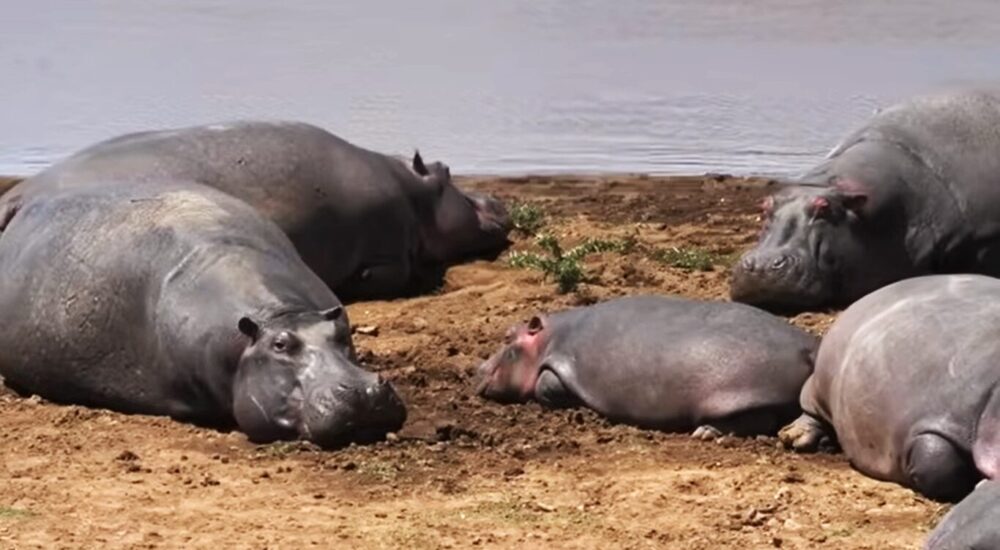
2. Hippopotamus (Hippopotamus amphibius)
Hippos may look cute, but they are Africa’s most unpredictable and aggressive aquatic animals. They can charge boats, overturn canoes, and bite with immense force.
- Where: Rivers and lakes throughout East and Southern Africa
- Danger: Over 500 deaths per year—more than lions or crocodiles
- Example: In 2023, a tourist canoeing in Zambia’s Lower Zambezi was fatally attacked by a hippo.
3. Bull Shark (Carcharhinus leucas)
Unlike most sharks, the bull shark can live in both salt and freshwater. It’s been found in rivers like the Zambezi, hundreds of kilometers inland.
- Where: East & West African coasts, Zambezi & Limpopo Rivers
- Danger: Known for unprovoked attacks on humans
- Fun Fact: Sometimes called the “Zambezi shark” in Africa
4. African Tigerfish (Hydrocynus vittatus)
With sharp, piranha-like teeth and an aggressive nature, the tigerfish is Africa’s freshwater terror. Though attacks are rare, they can bite swimmers and anglers.
- Where: Congo River, Zambezi River, Lake Tanganyika
- Danger: Capable of tearing flesh and causing injuries
- Tip: Handle with care when caught during sport fishing
5. Stonefish (Synanceia spp.)
The stonefish is the world’s most venomous fish. It blends in with coral and rocks, delivering venom through dorsal spines when stepped on.
- Where: Coastal reefs of Kenya, Tanzania, Mozambique
- Danger: Extreme pain, tissue damage, even death
- Warning: Never walk barefoot on reef flats
6. Box Jellyfish (Chironex fleckeri relatives)
Though best known in Australia, some box jellyfish species have been sighted along East Africa’s coast. Their venom can cause cardiac arrest within minutes.
- Where: Indian Ocean waters near Mozambique, Tanzania
- Danger: Extremely painful sting, potentially fatal
- Tip: Wear full-body suits when diving in jellyfish areas
7. Electric Catfish (Malapterurus electricus)
Found in African freshwater systems, the electric catfish can discharge up to 350 volts—enough to stun prey or ward off predators, including humans.
- Where: Nile River, Congo Basin, Lake Chad
- Danger: Not fatal but may cause accidental drowning
- Use: Some cultures use them in rituals for their shock
8. Blue-Ringed Octopus (Possible Sightings)
While native to the Indo-Pacific, blue-ringed octopus sightings have been reported near Madagascar. They carry tetrodotoxin, a neurotoxin with no antidote.
- Where: Coastal Madagascar, Indian Ocean reefs
- Danger: One bite can cause paralysis and death
- Tip: Never pick up small, colorful sea creatures
9. Nile Monitor Lizard (Varanus niloticus)
Though not fully aquatic, the Nile monitor is a powerful swimmer found near water. Its bite can be painful and carries bacteria that may cause infection.
- Where: Nile River, swamps, and floodplains across Africa
- Danger: Aggressive if cornered; strong bite
- Fun Fact: Known to raid crocodile nests
10. Sea Snakes
Though rare in Africa, several species of sea snakes in the Indian Ocean have potent neurotoxic venom. Bites can be fatal if untreated.
- Where: Coastal Tanzania, Kenya, Madagascar
- Danger: Extremely venomous; symptoms include paralysis
- Tip: Avoid handling marine snakes during dives
How to Stay Safe Around Africa’s Aquatic Wildlife
- Always swim or boat with a certified local guide
- Stay away from riverbanks at dawn and dusk
- Wear water shoes when wading or exploring reefs
- Don’t provoke or handle wildlife
- Ask locals or lodge staff about recent sightings or attacks
- Know the nearest medical center before engaging in water activities
Conclusion
From the massive Nile crocodile to the tiny but deadly box jellyfish, Africa’s waters are home to creatures that command respect. While most incidents occur when people accidentally enter their territory, staying informed and cautious ensures you can safely enjoy Africa’s incredible aquatic environments.
So, whether you’re planning a river safari in Botswana, diving in the Indian Ocean, or camping by Lake Victoria — always be aware of the most dangerous aquatic animals in Africa.
Related Posts