Kidepo Valley National Park: Uganda's Untamed Safari Experience Discover the wild beauty, unique wildlife, and…
Serengeti Migration in Tanzania: When, Where & What to See
Serengeti Migration in Tanzania: When, Where & What to See
The Serengeti Migration in Tanzania is one of the world’s most extraordinary wildlife spectacles. Every year, millions of animals embark on a grueling, circular journey across the plains of the Serengeti and the Maasai Mara in Kenya. This Great Migration is not only a breathtaking display of nature’s resilience but also a must-see event for safari enthusiasts.
What is the Serengeti Migration?
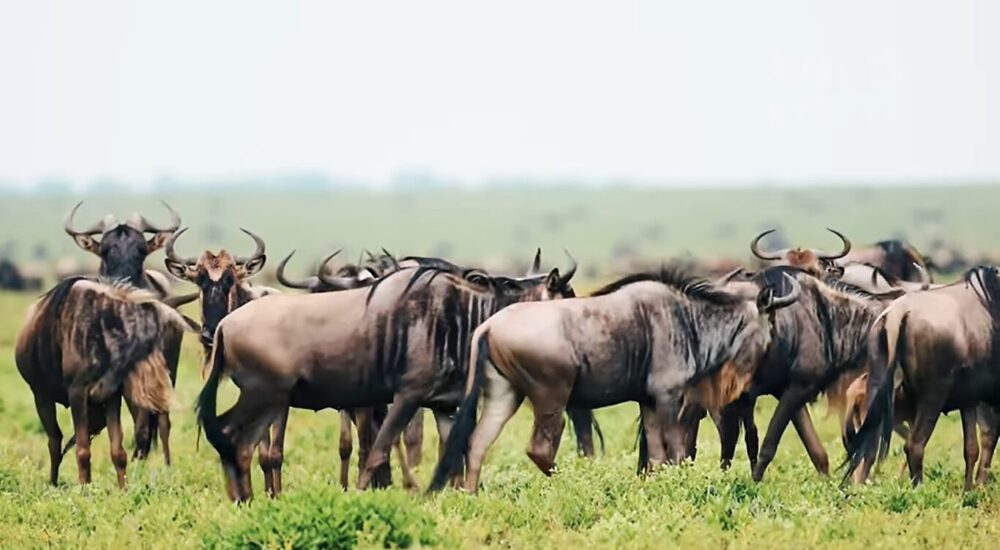
The Serengeti Migration, also known as the Great Migration, is an annual movement of over 1.5 million wildebeest, alongside hundreds of thousands of zebras and gazelles. These animals move cyclically through the Serengeti ecosystem in Tanzania and Kenya’s Maasai Mara, following seasonal rains and fresh grazing lands.
Key Highlights of the Migration:
- Over 1.5 million wildebeest
- Around 500,000 zebras
- Hundreds of thousands of Thomson’s and Grant’s gazelles
- Dramatic river crossings
- Predator-prey interactions featuring lions, crocodiles, hyenas, and cheetahs
When is the Best Time to See the Serengeti Migration?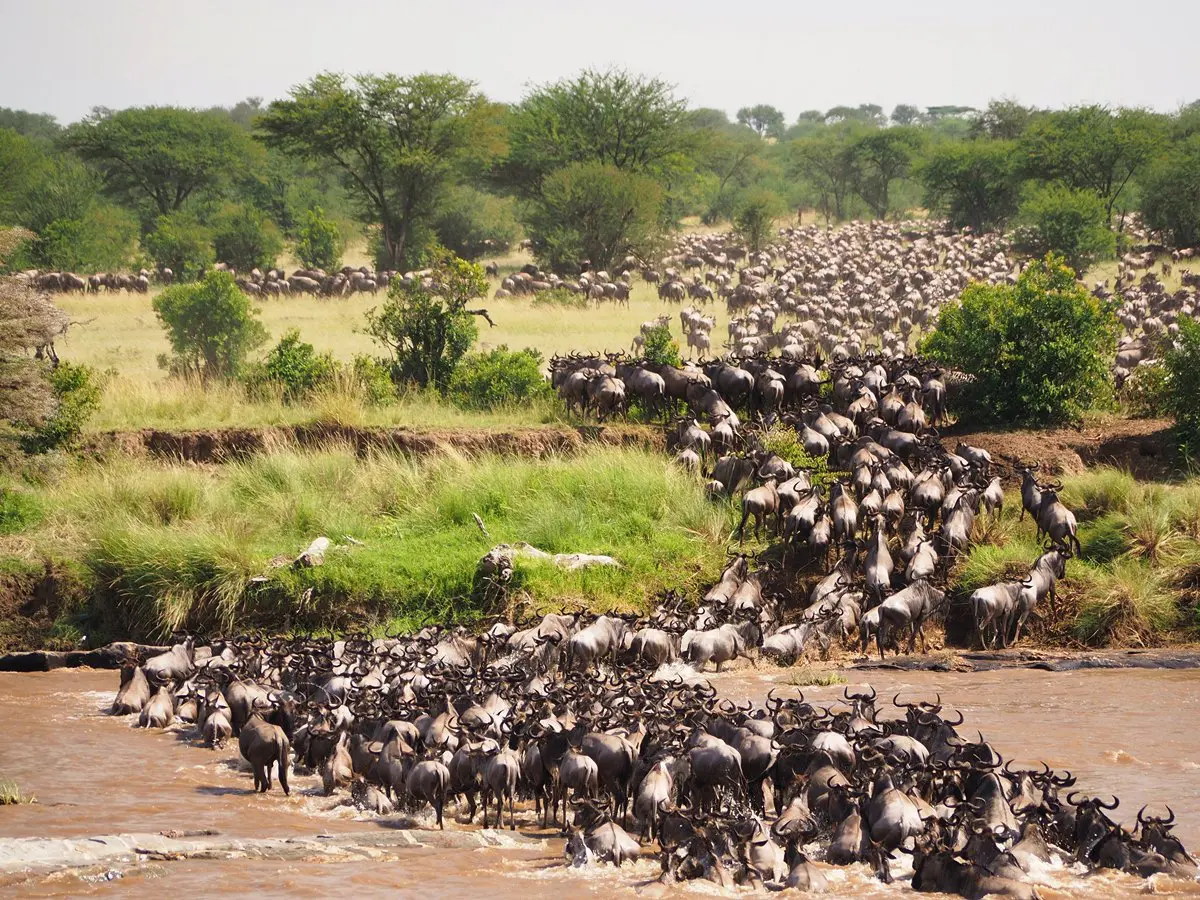
The timing of the migration varies slightly year to year, influenced by rainfall patterns, but the general flow remains consistent. Here’s a month-by-month breakdown of what to expect in the Serengeti Migration Tanzania:
December to March: Calving Season in the Southern Serengeti
- Location: Southern Serengeti, especially the Ndutu area near the Ngorongoro Conservation Area.
- What to See: Calving season with approximately 500,000 wildebeest calves born. Predators capitalize on the abundance of newborns.
- Why It’s Special: Excellent predator-prey interactions and wildlife density.
April to May: Migration Moves Northwest
- Location: Western corridor near Grumeti River.
- What to See: Herds begin their journey north toward the Grumeti and Mara Rivers, with dramatic crocodile encounters.
June to July: The Great River Crossings
- Location: Northern Serengeti near the Mara River.
- What to See: Iconic river crossings with thousands of wildebeest and zebras braving crocodile-infested waters.
- Predators: Nile crocodiles, lions, hyenas lying in wait.
August to November: Northern Serengeti and Maasai Mara
- Location: Northern Serengeti and Kenya’s Maasai Mara Reserve.
- What to See: Herds graze before starting their return to the southern plains.
- Bonus: Excellent predator sightings in the Maasai Mara.
Where to See the Serengeti Migration in Tanzania
The Serengeti National Park spans 14,750 square kilometers, and migration hotspots shift with the seasons. Here are the best places to visit depending on the time of year:
1. Ndutu and Southern Serengeti (December to March)
The calving season’s epicenter. Open plains make for incredible game viewing and predator action.
2. Western Serengeti and Grumeti River (April to June)
Witness the dramatic Grumeti River crossings and predator ambushes.
3. Northern Serengeti and Mara River (June to October)
The dramatic Mara River crossing is the climax of the migration, offering unmatched safari drama.
4. Eastern Serengeti (Year-round)
Less crowded, with excellent chances to see predators and diverse wildlife even when migration is elsewhere.
What Animals Will You See During the Migration?
- Wildebeest: The stars of the show with dramatic movement in vast herds.
- Zebras: Alert companions to wildebeest, providing added safety in numbers.
- Gazelles: Both Thomson’s and Grant’s gazelles tag along for fresh grazing.
- Predators: Lions, cheetahs, leopards, hyenas, and crocodiles hunt or scavenge the migration.
- Other wildlife: Giraffes, elephants, buffalo, hippos, jackals, and over 500 bird species.
Tips for Planning Your Serengeti Migration Safari
- Book Early: Especially during peak migration months (June–October).
- Choose Your Safari Style: Mobile camping for immersion, luxury lodges for comfort, or combine both.
- Try a Balloon Safari: See the migration from the sky—unforgettable at sunrise!
- Pack Smart: Neutral clothing, sun protection, binoculars, and a quality camera.
- Be Flexible: Nature is unpredictable—adaptability improves your odds.
- Go with Expert Guides: Local knowledge is key to finding the best action.
Conservation Efforts and Challenges
The Serengeti ecosystem is under pressure from human development, poaching, and climate change. Conservation organizations and local authorities are working to protect this fragile wonder.
- Serengeti National Park: Protected since 1951 and a UNESCO World Heritage Site.
- Community-based Tourism: Supports local Maasai communities and promotes conservation.
- Anti-Poaching Units: Work tirelessly to protect vulnerable species.
- Ecotourism: Helps fund conservation and raise awareness globally.
Real-Life Safari Example: Witnessing the Mara River Crossing
Imagine standing silently on the banks of the Mara River. Suddenly, a thunder of hooves fills the air as thousands of wildebeest pour over the edge. Crocodiles snap from below. A lion waits patiently on the other side. It’s chaos, strategy, and survival—nature in its rawest form.
“Watching the migration river crossing was the most intense wildlife moment of my life. The sheer scale and drama were unlike anything I’d ever seen.” – Sarah, UK Safari Traveler
Conclusion: The Serengeti Migration—A Natural Wonder You Must See
The Serengeti Migration in Tanzania is more than a safari highlight—it’s a symbol of nature’s rhythm, power, and fragility. Whether you’re a photographer, adventurer, or first-time traveler to Africa, witnessing this migration is something you’ll never forget.
Plan carefully, travel responsibly, and get ready to experience one of Earth’s last great wildlife spectacles—the Great Migration of the Serengeti.
Related Posts