Uganda, often known as the "Pearl of Africa," is famous for its diverse wildlife, lush…
Ugly, Shy & Small: 5 Animals of Africa
Ugly, Shy & Small: 5 Animals of Africa — Safari Creatures You Didn’t Know You’d Love
When we think of African safaris, the majestic lion, the towering giraffe, and the enormous elephant often come to mind. These iconic African animals are undeniably impressive, but Africa’s wilderness is also home to many lesser-known creatures that are ugly, shy, or small — yet equally fascinating and endearing. These underrated safari animals may not steal the spotlight, but once you encounter them, you might find yourself smitten.
1. The Aardvark: Africa’s Nocturnal Excavator
Overview
The aardvark (Orycteropus afer) is a truly unique creature — sometimes called the “African anteater.” It’s a shy, nocturnal mammal that spends most of its life burrowing underground and hunting termites and ants.
Why You’ll Love It
- Despite its somewhat “ugly” or unusual appearance — long ears, pig-like snout, and a body covered in coarse fur — the aardvark plays a crucial ecological role.
- It digs deep burrows that provide shelter for many other species, such as warthogs and snakes.
- Its long sticky tongue, similar to an anteater’s, allows it to consume thousands of insects a night.
Where to See It
Aardvarks are elusive and mostly active at night, making them hard to spot on a typical safari. The best chance to see aardvarks is in remote wilderness areas like Botswana’s Okavango Delta or Tanzania’s Selous Game Reserve. Night game drives and specialized tours increase the odds of encountering this shy creature.
2. The Naked Mole-Rat: Africa’s Hairless Underground Wonder
Overview
The naked mole-rat (Heterocephalus glaber) is arguably one of Africa’s strangest animals. This small, hairless rodent lives underground in vast colonies and is famous for its unusual social structure — often compared to that of ants or bees.
Why You’ll Love It
- Though it looks “ugly” or bizarre with wrinkled pink skin and tiny eyes, the naked mole-rat has fascinated scientists due to its remarkable longevity and resistance to cancer.
- It’s one of the few mammals that can survive in low-oxygen environments, showcasing incredible evolutionary adaptation.
- Its cooperative behavior within large underground colonies is a marvel of nature.
Where to See It
Naked mole-rats are found in arid regions of East Africa, especially in Kenya, Ethiopia, and Somalia. Because they live underground, spotting them in the wild is nearly impossible on a standard safari, but some specialized eco-tours and research centers offer viewing opportunities.
3. The Warthog: Africa’s Comical Survivor
Overview
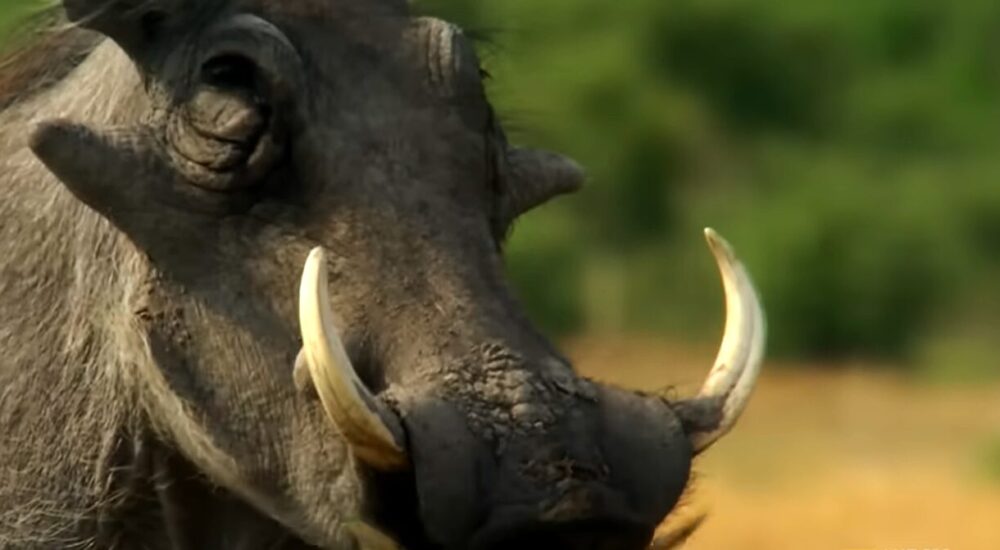
The warthog (Phacochoerus africanus) is often overlooked because it doesn’t fit the classic image of African wildlife beauty. With its warty face, tusks, and scruffy mane, it’s one of Africa’s most distinctive and quirky animals.
Why You’ll Love It
- Warthogs are surprisingly social and can be playful, often seen running with a characteristic “tail-up” posture.
- Their adaptability is impressive — they survive in harsh conditions by eating grass, roots, and even carrion.
- Watching warthogs wallow in mud to cool off is a favorite safari moment for many visitors.
Where to See It
Warthogs are widespread across sub-Saharan Africa and common in popular safari parks like South Africa’s Kruger National Park, Kenya’s Maasai Mara, and Botswana’s Chobe National Park. They’re easily spotted during the day, making them a reliable and entertaining sighting.
4. The African Pygmy Hedgehog: The Small and Secretive
Overview
The African pygmy hedgehog (Atelerix albiventris) is a small, shy creature that many safari-goers don’t even realize exists. It’s nocturnal and uses its sharp spines as a defense mechanism against predators.
Why You’ll Love It
- Despite its prickly exterior, the pygmy hedgehog has a cute and endearing nature.
- It plays an important role in controlling insects and small pests.
- Its shy habits and unique way of curling into a tight ball when threatened make it a fascinating animal to observe.
Where to See It
Native to central and eastern Africa, these hedgehogs are generally found in woodland and savannah areas. Spotting them in the wild requires night drives and patient observation. Wildlife rehabilitation centers and sanctuaries sometimes offer close encounters.
5. The Suni Antelope: Africa’s Tiny and Elusive Browser
Overview
The Suni (Neotragus moschatus) is one of Africa’s smallest antelopes, weighing just around 7-10 kg (15-22 lbs). This little herbivore is shy and highly elusive, preferring dense thickets and forests.
Why You’ll Love It
- The suni’s petite size and gentle demeanor make it incredibly charming.
- Its camouflaged brown coat helps it blend seamlessly into the bush, making sightings a rare and special treat.
- It feeds mainly on leaves, fruits, and flowers — an unusual diet for antelopes that are usually grazers.
Where to See It
Sunis are found in eastern and southern Africa, including Tanzania, Mozambique, and Kenya. They’re most commonly spotted in forested reserves like Tanzania’s Udzungwa Mountains National Park or Kenya’s Kakamega Forest. Because of their shy nature, sightings require patience and quiet observation.
Why These “Ugly, Shy & Small” Animals Matter on Safari
While the majestic “big five” — lion, elephant, buffalo, leopard, and rhino — rightfully dominate safari brochures, Africa’s smaller, less glamorous creatures are just as vital to the ecosystem. They:
- Help maintain balance by controlling insect populations and dispersing seeds
- Serve as prey for larger predators, supporting the food chain
- Showcase incredible evolutionary adaptations to survive Africa’s challenging environments
- Provide unique and memorable safari experiences for those willing to look closer
How to Increase Your Chances of Spotting These Hidden Gems
- Go on night safaris: Many shy and nocturnal animals like the aardvark and pygmy hedgehog are active after dark.
- Choose less-visited parks and reserves: Remote areas offer better chances to see elusive species away from crowds.
- Travel with knowledgeable guides: Experienced guides know the best spots and behaviors of these animals.
- Practice patience and quiet observation: These creatures often require stillness and attentiveness to spot.
- Visit wildlife rehabilitation centers: Some centers offer opportunities to see shy species up close in controlled environments.
Conclusion: Falling in Love with Africa’s Underrated Creatures
Next time you go on an African safari, remember that the continent’s magic isn’t just in the big, bold animals. The ugly, shy, and small animals of Africa tell incredible stories of survival, adaptation, and resilience. From the secretive aardvark digging under the moonlight to the tiny suni antelope blending into the underbrush, these creatures deserve a place in your safari memories.
They may not be the first animals you photograph, but they might just be the ones you remember most fondly.
Related Posts