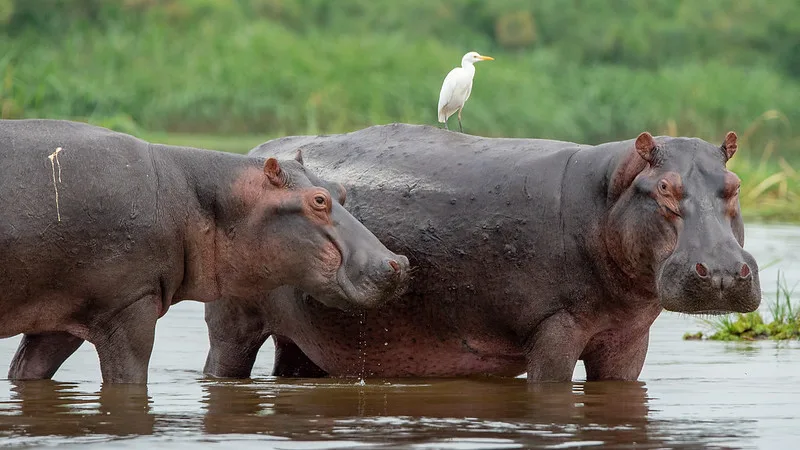
Safari Adventures in Uganda: Uganda boasts several safari experiences that have drawn a large number…

Affordable African Safari: 9 Expert Tips for Budget-Friendly Travel
Affordable African Safari: 9 Expert Tips for Budget-Friendly Travel
Embarking on an African safari is a dream for many travelers. The allure of witnessing majestic wildlife, sweeping landscapes, and rich cultures is undeniable. However, many hesitate due to the perceived high costs of safari travel. The truth is, an affordable African safari is entirely possible with the right planning and insider tips.
Why Choose an Affordable African Safari?
Many people associate African safaris with luxury lodges and private tours, often priced out of reach for budget travelers. But Africa offers a wide range of options that cater to all budgets, from camping safaris to community-run conservancies. Choosing an affordable safari doesn’t mean sacrificing quality — it means smart planning, flexibility, and embracing authentic experiences.
Examples of Affordable Safaris
- Self-drive safaris in South Africa’s Kruger National Park allow you to explore at your own pace and budget.
- Mobile tented camps in Kenya and Tanzania provide a unique blend of comfort and adventure without the hefty lodge price tag.
- Community-based conservancies in Namibia and Botswana offer cultural immersion and wildlife sightings at lower costs.
1. Choose the Right Destination for Your Budget
Some African countries are more affordable for safaris than others. Research is key to finding a destination that offers great wildlife viewing at lower prices.
- South Africa: Kruger National Park and other reserves offer excellent wildlife viewing, well-developed infrastructure, and affordable accommodation options.
- Kenya: The Maasai Mara is famous but can be pricey; however, lesser-known parks like Samburu and Lake Nakuru offer great wildlife and are more budget-friendly.
- Tanzania: Serengeti safaris can be expensive, but areas like Tarangire and Lake Manyara National Parks offer similar experiences at lower costs.
- Namibia: Famous for its desert landscapes and unique wildlife, Namibia has budget camping options and self-drive safaris.
- Zambia and Zimbabwe: Known for walking safaris and Victoria Falls, these countries provide alternatives to high-priced safari lodges.
2. Travel in the Shoulder or Low Season
Peak safari season often means higher prices for accommodation, flights, and tours. Traveling during shoulder (just before or after peak) or low season can significantly reduce costs.
- Example: Visiting East Africa’s Maasai Mara in late June (shoulder season) can be cheaper than July-August peak months.
- Wildlife is often still active during these months, and you may benefit from fewer tourists and more intimate experiences.
3. Opt for Budget Accommodation
Affordable safari accommodation ranges from campsites and budget lodges to guesthouses and hostels.
- Camping Safaris: Popular in South Africa and Namibia, camping is a fantastic way to immerse yourself in nature affordably.
- Mobile Camps: These move seasonally to follow wildlife migrations, offering a tented experience with basic comforts.
- Community Lodges: Run by local communities, these lodges are budget-friendly and support conservation efforts.
- Example: In Kenya, camps run by Maasai communities offer budget accommodation and cultural interaction.
4. Consider Self-Drive Safaris
Self-drive safaris give you freedom and control over your itinerary and can be much cheaper than guided tours.
- Example: South Africa’s Kruger National Park has well-maintained roads, signage, and facilities, making it ideal for self-drive safaris.
- Renting a reliable 4×4 or SUV can save money compared to booking expensive guided tours.
- Remember to plan your route carefully, keep safety in mind, and understand park regulations.
5. Use Public Transport or Shared Transfers
Flights between cities and national parks can be costly. Where possible, use buses, shuttles, or shared transfers to save money.
- In countries like Kenya and Tanzania, matatus (shared mini-busses) connect major towns and safari towns.
- In South Africa, shuttle services between Johannesburg and Kruger or Cape Town and Garden Route are economical.
- Booking transfers in advance can secure lower rates.
6. Join Group Safaris
Group safaris often reduce costs by sharing transportation, guides, and accommodation.
- Small-group tours allow budget travelers to experience safaris at a fraction of the price of private tours.
- Look for reputable operators offering group safaris with good reviews.
- Example: Many companies in Tanzania offer group safaris in Serengeti and Ngorongoro at affordable rates.
7. Book Flights Early and Use Fare Alerts
Airfare is a significant portion of safari costs. Booking flights early or using fare alert tools can help you snag the best deals.
- Use websites like Skyscanner, Google Flights, or Kayak to track prices.
- Flexible travel dates improve your chances of finding cheaper tickets.
- Consider flying into less busy airports nearby your safari destination.
8. Pack Smart to Avoid Extra Costs
Avoid paying for last-minute purchases or excess baggage fees by packing wisely.
- Bring essentials like sunscreen, insect repellent, binoculars, and appropriate clothing.
- Lightweight, breathable clothes in neutral colors help with comfort and wildlife viewing.
- Carry refillable water bottles to reduce buying bottled water.
- Example: Packing your own snacks for long game drives can save money and energy.
9. Support Local Businesses and Conservation
Choosing local guides, staying in community-run lodges, and buying local crafts not only enriches your experience but also benefits the local economy.
- Local guides often provide authentic insights and support community livelihoods.
- Community conservancies offer lower-cost safaris and contribute to wildlife conservation.
- Example: In Botswana’s Okavango Delta, community camps provide affordable safaris while funding conservation efforts.
Conclusion: Your Dream Affordable African Safari Awaits
An affordable African safari is well within reach when you plan carefully and consider the options available. From choosing the right destination and travel time to embracing self-drive and group safaris, you can experience the awe-inspiring wildlife and landscapes of Africa without breaking the bank.
Remember, the essence of an African safari is the connection with nature and wildlife — a priceless experience no matter your budget.
Related Posts