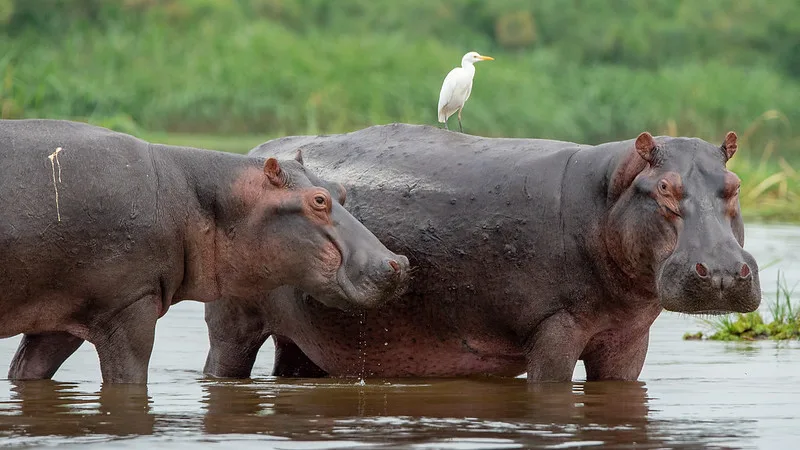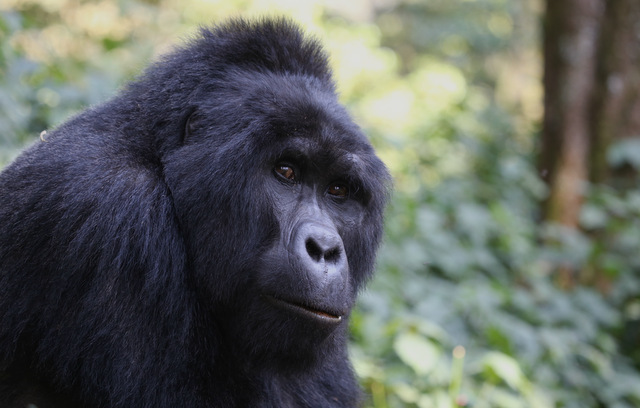
Safari Adventures in Uganda: Uganda boasts several safari experiences that have drawn a large number…
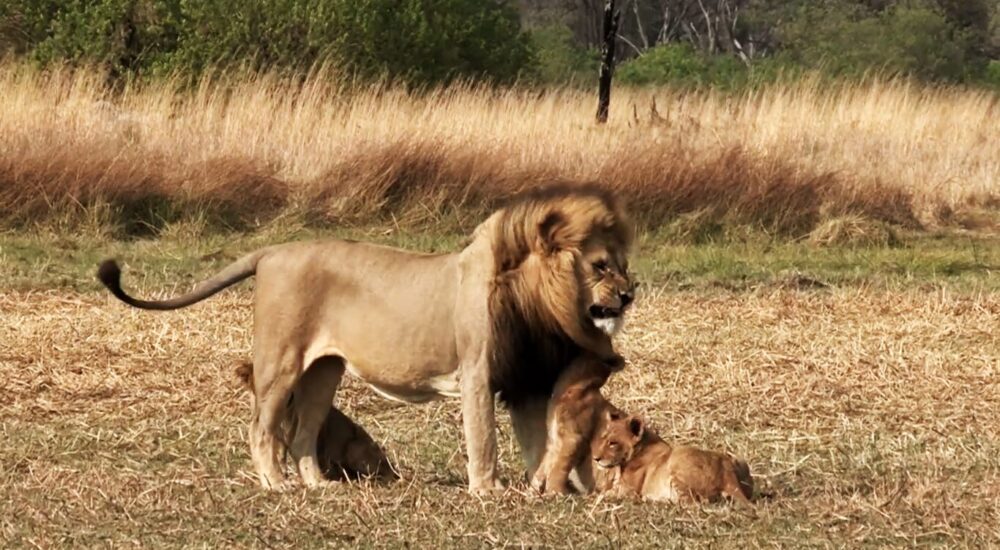
Lions in Africa: Tips for Your African Lion Safari
Lions in Africa: Tips for Your African Lion Safari and All About These African Big Cats
The African lion—Panthera leo—is one of the most iconic and revered animals on the planet. Known as the king of the jungle, lions symbolize power, courage, and the wild beauty of Africa. Planning a lion safari in Africa offers a chance to see these majestic creatures in their natural habitat, witness fascinating behaviors, and experience the thrill of African wildlife firsthand.
Understanding African Lions: The Majestic Big Cats
Physical Characteristics
African lions are among the largest members of the cat family, with males weighing between 330 to 550 pounds (150 to 250 kg) and females slightly smaller. The most iconic feature is the male’s mane, which varies in color from blonde to black and serves multiple purposes, including intimidating rivals and attracting females.
- Strong muscular build: Perfect for short bursts of speed to catch prey.
- Sharp retractable claws: Essential for gripping and holding down prey.
- Powerful jaws and teeth: Capable of delivering crushing bites.
Behavior and Social Structure
Unlike most big cats that are solitary, lions are social animals and live in groups called prides. A pride typically consists of related females, their offspring, and a coalition of males.
- Cooperative hunting: Female lions usually hunt together in coordinated groups, increasing their success rate.
- Territoriality: Males defend the pride’s territory fiercely, often engaging in dramatic battles.
- Communication: Lions use roars, scent markings, facial expressions, and body language to communicate.
Habitat and Distribution
Lions once roamed across most of Africa and parts of Asia, but today, their populations are primarily confined to sub-Saharan Africa.
- Key habitats: Savannahs, grasslands, woodlands, and scrublands.
- Top countries to see lions: Botswana, Tanzania, Kenya, South Africa, Namibia, and Zimbabwe.
Why Go on an African Lion Safari?
Seeing lions in the wild is a thrilling experience. Lions are apex predators, and watching them hunt, care for cubs, or roar at sunset gives a glimpse into the raw beauty of nature.
Unique Lion Experiences on Safari
- Witnessing a lion hunt: From stalking to the chase, lion hunts are exciting yet rare moments.
- Lion cubs playing: Young lions learning to hunt and interact in the pride.
- Sunset roars: The iconic lion roar reverberates across the plains, marking territory.
- Interaction with other wildlife: Lions share their habitat with elephants, zebras, buffalo, and more, creating a rich ecosystem.
Best Destinations for Your African Lion Safari
1. Serengeti National Park, Tanzania
The Serengeti is arguably the best place to see lions due to its vast plains and abundant prey. The annual wildebeest migration also brings lions into action.
- Highlight: The “circle of life” scenes where lions hunt migratory herds.
- Best time to visit: June to October during the dry season.
2. Kruger National Park, South Africa
Kruger is one of Africa’s largest reserves and has a stable lion population.
- Highlight: Well-maintained roads make self-drive safaris accessible.
- Best time to visit: May to September during the dry winter months.
3. Okavango Delta, Botswana
The Okavango’s lush wetlands offer a unique habitat for lions, who often hunt near waterholes.
- Highlight: Combining boat and game drives to see lions and other wildlife.
- Best time to visit: June to October when animals concentrate near water.
4. Maasai Mara National Reserve, Kenya
Famous for its big cats, the Mara boasts a high density of lions.
- Highlight: Close-up views and dramatic predator-prey interactions.
- Best time to visit: July to October for the wildebeest migration.
Tips for a Successful African Lion Safari
- Choose the Right Time to Visit: Dry season months (generally May to October) are ideal for lion safaris because animals gather around shrinking water sources, making sightings more predictable.
- Book with Experienced Guides: Expert local guides know lion behavior, pride locations, and how to approach animals safely and respectfully.
- Patience is Key: Lions can be elusive and may spend long periods resting. Stay patient and be prepared for early morning or late evening drives when lions are most active.
- Use Appropriate Equipment: Bring binoculars and a zoom lens (300mm or higher) to capture detailed wildlife photos without disturbing the animals.
- Respect Wildlife and Follow Park Rules: Maintain safe distances, avoid loud noises, and never interfere with natural behavior.
Fascinating Lion Facts You Should Know
- Lions can run up to 50 mph (80 km/h) but only for short distances.
- A lion’s roar can be heard up to 5 miles (8 km) away.
- Male lions often lose their mane if they are stressed or unhealthy.
- Lionesses do 85-90% of the hunting in a pride.
- Cubs have spots when young, which fade with age.
Conservation Challenges and Efforts
Despite their majesty, African lions face serious threats:
- Habitat loss: Human encroachment reduces lion ranges.
- Human-wildlife conflict: Lions attacking livestock often lead to retaliatory killings.
- Poaching and illegal trade: Lions are targeted for body parts.
- Prey depletion: Declining herbivore populations affect lion survival.
Conservation Initiatives
- Protected areas and national parks safeguard lion habitats.
- Community-based conservation programs encourage coexistence.
- Anti-poaching patrols and stricter laws combat illegal hunting.
- Research and monitoring track lion populations and health.
Organizations like the Lion Recovery Fund and Panthera play vital roles in these efforts.
What to Pack for Your African Lion Safari
- Lightweight, neutral-colored clothing
- Wide-brimmed hat and sunglasses
- Sunscreen and insect repellent
- Binoculars and camera with telephoto lens
- Comfortable hiking boots or sturdy shoes
- Reusable water bottle
- Notebook for journaling or sketching wildlife observations
Conclusion: Experience the Majesty of Lions in Africa
A lion safari in Africa is a bucket-list adventure that connects you deeply with nature’s raw power and beauty. Understanding lion behavior, choosing the right destination and timing, and following expert tips will ensure your journey is safe, ethical, and rewarding.
Lions embody the spirit of Africa’s wilderness, and witnessing them in the wild is a privilege that leaves an indelible mark on your soul.
Plan your trip, today!
Related Posts