Uganda safaris & adventure options. Anyone interested in visiting one of the most beautiful nations…
Gemsbok vs Eland: Comparing Africa’s Iconic Antelopes
Gemsbok vs Eland: Comparing Africa’s Iconic Antelopes & Where to See Them
Africa is home to some of the most majestic and fascinating wildlife species on the planet. Among the continent’s iconic animals, the gemsbok and the eland stand out as two of the most striking and impressive antelopes. While both are large, powerful herbivores often featured in wildlife documentaries and safari adventures, they have distinct differences and unique habitats.
Introduction to Gemsbok and Eland
What is a Gemsbok?
The gemsbok (Oryx gazella), also known as the South African oryx, is a large antelope native to arid regions of Southern Africa. Famous for its dramatic appearance, the gemsbok sports long, straight horns and a distinctive black-and-white facial pattern that resembles a mask. These animals are perfectly adapted to harsh desert environments and are known for their resilience and endurance.
What is an Eland?
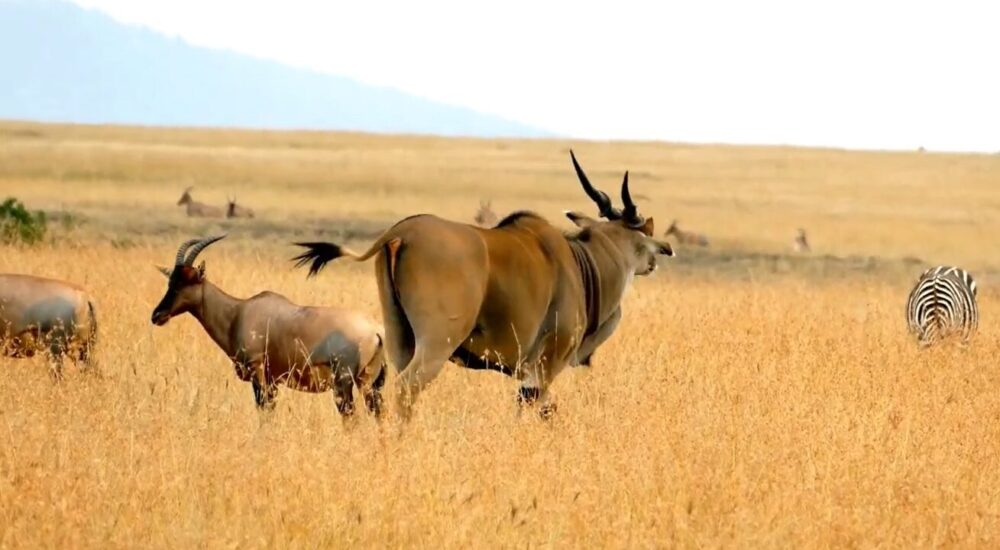
The eland (Taurotragus oryx), on the other hand, is the largest species of antelope in Africa and one of the largest antelopes in the world. It inhabits savannas, woodlands, and grasslands across Southern and Eastern Africa. Elands are known for their robust size, spiral horns, and relatively calm demeanor, making them a favorite among safari-goers and photographers.
Physical Comparison: Gemsbok vs Eland
Size and Build
One of the most obvious differences between the gemsbok and eland is their size:
- Gemsbok: Typically weighs between 180 to 240 kg (400 to 530 lbs) and stands about 1.2 meters (4 feet) tall at the shoulder. Gemsbok have a lean but muscular build, suited for swift movement in open desert plains.
- Eland: Much larger and heavier, elands can weigh up to 1,000 kg (2,200 lbs) and stand approximately 1.6 to 1.8 meters (5.2 to 6 feet) at the shoulder. Their bulky frame and strong legs help them navigate varied terrains.
Horns
Both species have prominent horns, but their shapes differ significantly:
- Gemsbok horns are long, straight, and slender, reaching up to 85 cm (33 inches). Both males and females have horns, which they use for defense and territorial battles.
- Eland horns are shorter but thicker, with a distinctive spiral twist. Only males generally have large, spiraled horns, which can grow up to 60 cm (24 inches).
Coloration and Markings
Gemsbok have a striking coat pattern of sandy beige with black markings on the legs, flanks, and face. Their facial “mask” is particularly eye-catching, with black lines running from the horns down the nose.
Eland are more uniformly tan or tawny, sometimes with faint vertical white stripes on their bodies. Unlike the gemsbok, their facial markings are subtle, with a dark patch on the forehead.
Behavior and Social Structure
Gemsbok Behavior
Gemsbok are adapted to desert life and are mostly active during the cooler parts of the day—early morning and late afternoon. They are highly territorial and form small herds led by dominant males, although some bachelor groups exist.
Example: In Namibia’s Kalahari Desert, gemsbok herds often dig for underground water sources, showcasing their incredible survival adaptations.
Eland Behavior
Elands tend to be more social and can be found in larger herds, sometimes numbering up to 500 individuals. They are generally calm and slow-moving but can run surprisingly fast if threatened. Elands also engage in unique social rituals like “neck wrestling” to establish dominance.
Example: In Kenya’s Maasai Mara National Reserve, elands often graze alongside zebras and wildebeest during the great migration season.
Diet and Adaptations
Both species are herbivores but have adapted to their specific environments:
- Gemsbok primarily feed on grasses, herbs, and shrubs, especially drought-resistant plants that can survive in arid climates. They can survive without free-standing water by extracting moisture from plants.
- Eland prefer grasses and leaves but are also browsers, eating fruits and seeds. Their large body allows them to digest coarse vegetation more efficiently.
Habitat and Distribution
Where Do Gemsbok Live?
The gemsbok is native to the Kalahari Desert and other arid regions of Southern Africa, including Botswana, Namibia, and South Africa. They thrive in dry, sandy environments and are often associated with desert-adapted wildlife.
Where Do Elands Live?
Elands have a broader range and can be found across Southern and Eastern Africa, including countries like South Africa, Zimbabwe, Kenya, and Tanzania. They inhabit a variety of ecosystems from grasslands and savannas to open woodlands.
Conservation Status and Threats
The gemsbok is currently listed as Least Concern by the IUCN, thanks to its wide distribution and stable population. However, habitat destruction and illegal hunting can pose localized threats.
The eland also holds a Least Concern status, but some subspecies, like the giant eland (Taurotragus derbianus), are endangered due to poaching and habitat loss.
Where to See Gemsbok and Eland in the Wild
If you’re planning a safari or wildlife trip, here are some of the best places to spot these antelopes:
Gemsbok Viewing Destinations
- Kalahari Desert (Botswana, Namibia, South Africa): One of the best places to see gemsbok in their natural desert environment. The Central Kalahari Game Reserve in Botswana offers exceptional gemsbok sightings.
- Namib-Naukluft National Park (Namibia): Famous for its desert landscapes, it’s a prime spot for encountering gemsbok.
Eland Viewing Destinations
- Kruger National Park (South Africa): This iconic park hosts large herds of eland alongside other big game.
- Maasai Mara National Reserve (Kenya): Elands can be spotted grazing in the savanna, often amidst the great migration.
- Hwange National Park (Zimbabwe): Known for diverse wildlife, including elands roaming in mixed herds.
Conclusion: Gemsbok vs Eland — Which One Captures Your Imagination?
Both the gemsbok and eland are extraordinary representatives of Africa’s rich biodiversity. While the gemsbok captivates with its desert-hardened resilience and striking appearance, the eland impresses with its sheer size and gentle presence on the savannas.
Whether you’re a wildlife enthusiast, a safari planner, or simply curious about African fauna, understanding the differences between these two antelopes enhances your appreciation of Africa’s natural heritage. Next time you visit the continent, make sure to include spots where you can witness these magnificent creatures up close in their native habitats.
Plan your trip, today!
Related Posts