Where to Stay in Masai Mara
Where to Stay in Masai Mara
If you’re planning a safari to Kenya, one of the most frequently asked questions is where to stay in Masai Mara. The Maasai Mara National Reserve is a world-renowned wildlife sanctuary known for its spectacular landscapes, abundant wildlife, and especially the annual Great Wildebeest Migration. Choosing the right accommodation in Masai Mara is crucial to making your safari experience unforgettable.
Overview of Accommodation Options in Masai Mara
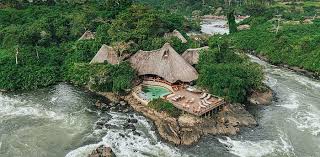
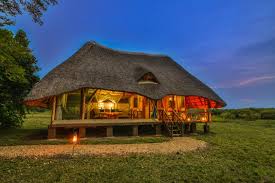
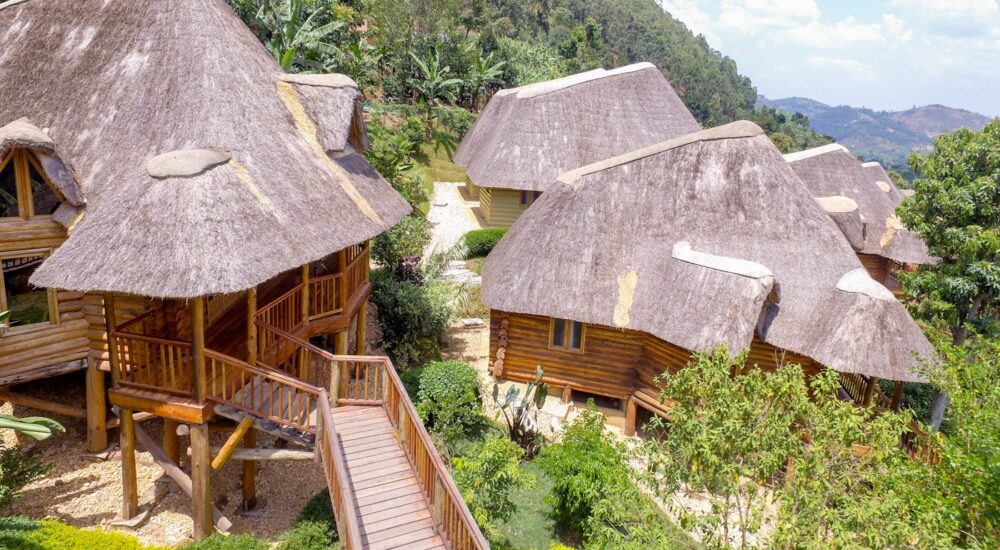
Masai Mara offers a wide range of safari lodges, camps, and conservancy accommodations catering to all budgets and tastes. When deciding where to stay in Masai Mara, consider factors such as location, comfort level, access to wildlife, budget, and the kind of safari experience you want — whether it’s luxurious or rustic and adventurous.
1. Inside Maasai Mara National Reserve
Staying inside the Masai Mara National Reserve means you’re in the heart of the action. These accommodations offer quick access to the reserve’s abundant wildlife and game viewing opportunities.
- Mara Serena Safari Lodge: One of the most iconic lodges, offering stunning views of the Mara River and well-appointed rooms.
- Keekorok Lodge: Kenya’s first safari lodge, set within the reserve, known for its proximity to wildlife.
- Sarova Mara Game Camp: A tented camp combining comfort with authentic safari vibes.
- Governors’ Camp & Little Governors’ Camp: Famous for their prime location near the Mara River, ideal for watching river crossings during the migration.
These lodges and camps range from mid-range to luxury and often include guided game drives, meals, and cultural activities.
2. Maasai Mara Conservancies
The Maasai Mara Conservancies are privately managed areas adjacent to the national reserve. They offer exclusive, less crowded safari experiences with a focus on sustainable tourism.
- Olare Motorogi Conservancy
- Mara Naboisho Conservancy
- Ol Kinyei Conservancy
- Mara North Conservancy
These conservancies usually have fewer tourists, allowing for more personalized and intimate wildlife encounters. Many conservancy lodges are eco-friendly and owned or operated in partnership with local Maasai communities.
3. Near the Maasai Mara
If you prefer more budget-friendly or town-based accommodations, consider staying in nearby towns such as Narok or Sekenani. These locations are outside the reserve but offer more hotels, guesthouses, and local experiences. While you’ll have to drive to the reserve for game drives, these options are ideal for travelers seeking affordability or preferring a base with urban amenities.
4. Mobile Tented Camps
For the adventurous traveler, mobile tented camps provide a dynamic and immersive way to experience the Mara. These camps move seasonally, tracking the Great Migration or following wildlife concentrations. They offer flexible, often more intimate settings, combining comfort with wilderness.
5. Private Conservancies and Luxury Camps
For a high-end safari, private conservancies offer exclusive lodges with personalized service, gourmet dining, and private game drives.
- Mara Plains Camp
- Mara Toto Camp
These camps often cater to honeymooners, luxury travelers, and those seeking privacy and exclusivity.
Game Drives in Masai Mara National Reserve
One of the best things about staying in Masai Mara is the opportunity to participate in game drives. Masai Mara is celebrated for its vast populations of wildlife, including the famous Big Five (lion, leopard, elephant, buffalo, and rhino), over 95 species of mammals, and more than 400 bird species.
From June to October, witness the world-famous Great Wildebeest Migration when over 1.5 million wildebeests, accompanied by zebras and gazelles, migrate from the Serengeti in Tanzania to the lush Masai Mara plains. This event creates one of the most dramatic and thrilling wildlife spectacles on the planet, including dangerous river crossings filled with crocodiles.
Game drives in the Mara typically happen early in the morning and late afternoon when animals are most active. Staying inside or close to the reserve maximizes your game viewing opportunities by allowing for quick access.
Experiencing the Maasai Culture
An unforgettable part of any safari to Masai Mara is visiting and engaging with the Maasai ethnic group, the semi-nomadic people who have inhabited the region for centuries.
Maasai Way of Life
The Maasai live in bomas (traditional homesteads) and are renowned for their cattle-herding lifestyle. Wealth and status are measured by the size of a person’s herd, which heavily influences Maasai culture and diet, consisting mainly of meat, milk, and blood from their livestock.
Maasai men go through various age-set rituals including initiation into warriorhood before marriage. Both men and women participate in traditional circumcision ceremonies, reflecting cultural rites of passage.
Traditions and Customs
One of the most iconic Maasai traditions is the warrior jumping dance (Adamu), where young Maasai warriors leap vertically in demonstration of strength and agility. Visitors are often invited to witness or even participate in such cultural displays.
Clothing and Language
Maasai attire is distinctive: bright red shukas (cloth wraps), elaborate beaded jewelry, and colorful ornaments. Men often dye their hair red using ochre mixed with animal fat.
The Maasai speak the Maasai language, part of the Eastern Nilotic language family. Most also speak Swahili, Kenya’s national language, facilitating communication with tourists.
Popular Kenya Safari Packages Including Maasai Mara
- 4 Days Kenya Wildebeest Migration Safari
- 5 Days Kenya Wildlife Safari
- 7 Days Best of Kenya Adventure Safari
- 8 Days Kenya and Tanzania Wildebeest Migration Safari
- 13 Days Combined Kenya and Tanzania Safari
These packages offer a blend of game drives, cultural visits, and comfortable accommodations.
How to Book a Safari to Masai Mara
Booking a safari with a reliable operator ensures a smooth, safe, and unforgettable experience. Here’s how to secure your dream safari:
- Confirm Your Travel Dates: Decide when you want to visit Masai Mara.
- Contact Your Safari Operator: Send an inquiry via email or contact form to check availability.
- Receive Itinerary and Quote: The operator will send you a detailed itinerary with costs.
- Confirm and Pay Deposit: Once you approve, you’ll be asked to make a deposit.
- Final Payment and Booking Confirmation: After payment, all accommodations, transfers, and tours will be secured.
- Prepare for Your Trip: Get your travel documents, vaccinations, and gear ready.
Tip: Book at least 2-3 months in advance, especially for peak season (June to October), to ensure availability and best rates.
Best Time to Visit Masai Mara for Safari
Masai Mara is a year-round destination but has peak seasons based on weather and wildlife activity:
- December to February: Warm and dry, excellent for game viewing.
- June to October: Dry season and the Great Migration; ideal for witnessing wildebeest river crossings.
- March to May & November: Wet seasons with lush scenery but less predictable wildlife sightings and some travel challenges due to rain.
Why Book Your Masai Mara Safari with Monumental Expeditions and Safaris?
Choosing the right tour operator can make all the difference:
- Experienced Local Experts: Monumental Expeditions is locally owned, blending youthful energy with experienced guides.
- Highly Rated on TripAdvisor: Trusted by thousands of travelers for quality service and memorable safari experiences.
- Eco-Friendly Tourism: Committed to wildlife conservation, community empowerment, and sustainable travel practices.
- Wide Range of Safari Options: From budget to luxury, gorilla trekking to Big Five safaris, and cultural encounters.
- Personalized Service: Custom itineraries tailored to your interests and preferences.
Related Posts