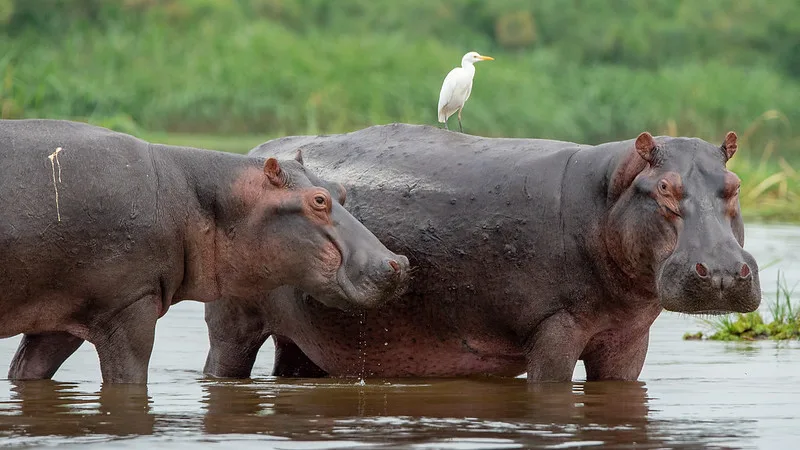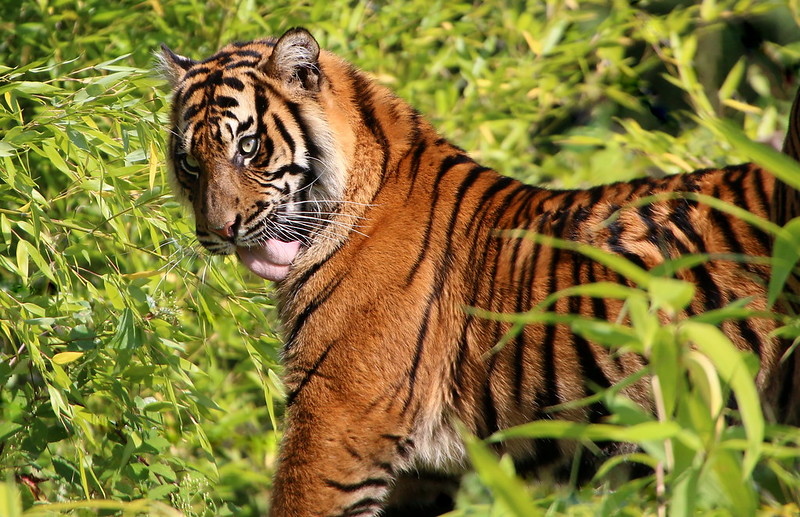
Safari Adventures in Uganda: Uganda boasts several safari experiences that have drawn a large number…
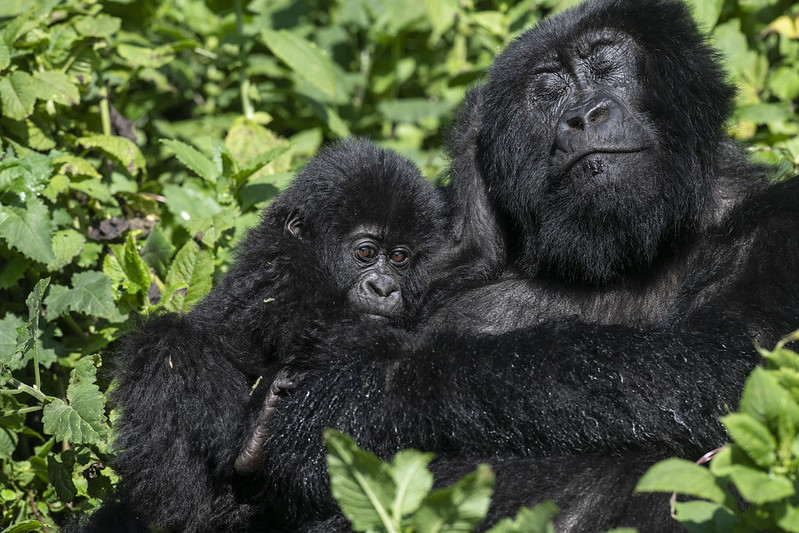
Top 5 Gorilla Trekking Mistakes (And How to Avoid Them)
Top 5 Gorilla Trekking Mistakes (And How to Avoid Them)
Avoid the most common pitfalls during your gorilla trekking adventure in Bwindi Impenetrable Forest and Volcanoes National Park. Learn how to stay prepared, pack right, and respect the rules for an unforgettable and sustainable experience.
Introduction
Gorilla trekking is one of Africa’s most sought-after adventures. Whether you’re exploring the wild jungles of Uganda or the scenic volcanic slopes of Rwanda, avoiding common mistakes can ensure a smooth, memorable, and eco-friendly experience.
1. Waiting Too Late to Book
Permits for gorilla trekking in Bwindi and Volcanoes National Park are limited and in high demand, especially during dry seasons.
Consequences:
- Missing out on trekking slots
- Limited park sector availability
- Higher last-minute prices
How to Avoid It:
- Book at least 6 months in advance
- Secure permits before arranging flights
- Travel during shoulder seasons for more availability
Tip: Confirm your name matches your passport on all permits.
2. Underestimating Physical Demands
Many underestimate the challenge of hiking at high altitudes and through rugged terrain in rainforests.
Common Problems:
- Fatigue and muscle soreness
- Altitude sickness in Rwanda (Volcanoes: 2,400m+)
- Slips and falls due to muddy terrain
Prevention:
- Train with long hikes 4–6 weeks before your trip
- Use trekking poles and waterproof boots
- Hydrate well and acclimatize to altitude
Tip: Hire a porter. It lightens your load and supports the local economy.
3. Packing the Wrong Gear
Poor preparation for jungle weather, insects, and uneven terrain leads to discomfort or even canceled treks.
Essentials:
- Waterproof hiking boots, gaiters, gloves
- Breathable layers and rain gear
- DEET-based repellent, sunblock, and water
- Dry bag, camera rain cover, lens cloth
Common Gear Mistakes:
- New boots not broken in
- No rain gear or backpack cover
- Carrying heavy camera gear without protection
4. Neglecting Health Precautions
Gorillas are susceptible to human diseases. Visitors also risk malaria, yellow fever, and altitude sickness.
Don’t Forget:
- Vaccines: Yellow fever (mandatory), hepatitis A/B, typhoid
- Malaria prophylaxis
- First aid kit and altitude tablets
Traveler Tips:
- Do not trek if feeling unwell
- Wear a mask if coughing or sneezing
- Get insurance with medical evacuation
5. Ignoring Gorilla Etiquette
Close contact with gorillas is an emotional experience—but it must be respectful and non-invasive.
Major Offenses:
- Approaching too closely
- Using flash photography
- Loud talking or feeding gorillas
Follow These Rules:
- Stay 7 meters away at all times
- No flash or sudden movements
- Follow your ranger’s instructions without exception
Tip: Always remain calm if a gorilla approaches—kneel down and avoid eye contact.
Bonus Mistakes to Avoid
- Skipping community experiences (e.g. Batwa village visits)
- Not tipping porters or guides (recommended: $10–$25 USD)
- Forgetting to offset your carbon footprint
Sample Gorilla Trekking Itinerary
| Day | Morning | Afternoon | Evening Tip |
|---|---|---|---|
| Day 1 | Arrival & lodge transfer | Briefing & gear check | Early dinner & rest |
| Day 2 | Gorilla trekking (5–6 hrs) | Recovery & photo review | Share tips with other guests |
| Day 3 | Optional golden monkey trek | Community/cultural visit | Support local artisans |
| Day 4 | Birding or nature hike | Transfer to airport city | Final reflection |
Conclusion
A successful gorilla trekking adventure in Uganda or Rwanda requires more than just enthusiasm. By avoiding these top 5 gorilla trekking mistakes, you’ll improve your safety, deepen your experience, and contribute positively to conservation and local communities.
Book early, prepare well, pack smart, stay healthy, and respect the gorillas—you’ll come away transformed.
Frequently Asked Questions
Q: What’s the best time to go?
A: June–August and December–February are dry and ideal. Shoulder seasons offer lush beauty and fewer crowds.
Q: Can I trek with limited fitness?
A: Yes, with porters and poles. Inform guides if you need a less strenuous group.
Q: Is tipping expected?
A: Tipping is appreciated. Carry small bills for porters, guides, and rangers.
Related Posts