Personal Development Workshops in Uganda Personal development workshops in Uganda are gaining momentum as key…
Spiritual Sites: Pilgrimages and Sacred Journeys in Uganda
Spiritual Sites: Pilgrimages and Sacred Journeys in Uganda
Discover Uganda’s most sacred destinations that offer spiritual growth, healing, and historical significance.
Why Spiritual Sites Matter in Uganda
Uganda’s religious diversity is reflected in its sacred landscapes. Whether you follow Christianity, Islam, or indigenous faiths, these sacred journeys offer profound meaning. Pilgrimages foster faith, cultural identity, and spiritual enlightenment—a tradition that continues to thrive in modern Uganda.
Top Spiritual Sites in Uganda for Pilgrimages and Sacred Journeys
1. Namugongo Martyrs Shrine
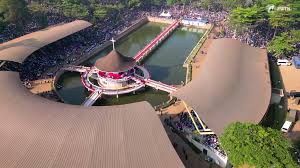
The Namugongo Martyrs Shrine, located near Kampala, is one of Uganda’s most revered religious landmarks. It honors the 22 Ugandan martyrs who were killed for their Christian beliefs in 1886 under the orders of King Mwanga II.
Every year on June 3rd (Martyrs Day), thousands of pilgrims travel here to commemorate their sacrifice. The site features a large basilica, sculptures of the martyrs, and holy relics. This is a major Christian pilgrimage site in Africa.
2. Munyonyo Martyrs Shrine
Located on the shores of Lake Victoria, the Munyonyo Martyrs Shrine is where some of the martyrs were arrested. It is a place of peace, reflection, and spiritual healing, and serves as a starting point for the Martyrs’ Walk to Namugongo.
3. Gaddafi Mosque (Uganda National Mosque)
The Gaddafi Mosque in Old Kampala, also known as the Uganda National Mosque, is a key Islamic pilgrimage destination. Built by Libyan leader Muammar Gaddafi, it symbolizes Islamic unity and faith.
Visitors enjoy both spiritual experiences and panoramic views of Kampala from its minaret. The mosque is an architectural marvel and a hub of Islamic teaching in Uganda.
4. Source of the Nile, Jinja
The Source of the Nile in Jinja is not only a natural wonder but also a spiritual site. Many Ugandans and visitors view the Nile as a symbol of life and spiritual cleansing. Some local cultures perform rituals here for renewal and guidance.
Whether you believe in the healing powers of water or seek tranquility, the Source of the Nile provides a unique spiritual atmosphere.
5. St. Mary’s Cathedral, Gulu
In northern Uganda, St. Mary’s Cathedral in Gulu is a symbol of faith and resilience, especially post-conflict. It plays a vital role in spiritual healing and community rebuilding after decades of conflict in the region.
The Significance of Pilgrimages in Uganda
Ugandan pilgrimages go beyond religion—they promote healing, renewal, unity, and peace. Here’s what they offer:
- Healing: Many visit sacred sites to seek physical and emotional recovery.
- Faith Renewal: Pilgrimages strengthen personal beliefs and connections to God.
- Cultural Identity: Sites often reflect Uganda’s cultural and religious history.
- Spiritual Enlightenment: Sacred spaces invite prayer, meditation, and self-discovery.
Spiritual Tourism and Economic Impact
Religious tourism in Uganda is on the rise. Sacred sites attract visitors year-round, boosting local economies through accommodations, transport, and tourism services.
Efforts to preserve these sites also support interfaith dialogue, peace-building, and national unity. Uganda’s reputation as a spiritual tourism destination continues to grow internationally.
FAQs About Spiritual Sites and Pilgrimages in Uganda
- Q1: What is the most visited spiritual site in Uganda?
- The Namugongo Martyrs Shrine is the most visited, especially during Martyrs Day on June 3rd.
- Q2: Are spiritual sites in Uganda open to non-religious visitors?
- Yes, they welcome all visitors interested in history, culture, or spiritual reflection.
- Q3: When is the best time to go on a pilgrimage?
- June (for Martyrs Day), Ramadan, or during major Christian and Islamic holidays. Most sites are open year-round.
- Q4: How do I plan a pilgrimage in Uganda?
- Contact local tour operators, religious organizations, or travel during official religious holidays. Always research customs and dress codes.
- Q5: Are there guided tours available?
- Yes, many spiritual tours are offered by churches, mosques, and travel agencies specializing in religious tourism.
Conclusion: Sacred Journeys of Faith
Uganda’s sacred sites offer more than just beautiful architecture—they offer hope, healing, and divine connection. From the powerful legacy of the Uganda Martyrs to the tranquility of the Source of the Nile, each journey offers spiritual enrichment.
Whether you’re seeking spiritual awakening, healing, or historical insight, embarking on a pilgrimage in Uganda is a profound experience that can transform your perspective on faith and life.
Related Posts