Bwindi Community walks and cultural experience – Ride 4 a woman Buhoma. The neighborhood around…
International Cultural Fair: A Melting Pot of Traditions in Uganda
International Cultural Fair: A Melting Pot of Traditions in Uganda
Uganda, often referred to as the “Pearl of Africa” due to its stunning natural beauty and diverse cultural heritage, is a country that celebrates a rich tapestry of ethnic groups, languages, and traditions. Amidst its vibrant communities, Uganda has embraced an event that beautifully showcases its multicultural identity: the International Cultural Fair. This unique celebration is a wonderful opportunity for both locals and tourists to experience the colorful traditions, dances, music, and cuisines that span across Uganda and the world. In this blog, we will explore what makes the International Cultural Fair in Uganda a melting pot of traditions, why it’s an important cultural event, and how it fosters unity and appreciation for diversity.
What is the International Cultural Fair?
The International Cultural Fair is an annual event in Uganda that gathers different cultural groups, both from within the country and around the world, to showcase their customs, performances, art, and food. It is held in Kampala, Uganda’s bustling capital, and attracts thousands of attendees, from local Ugandans to international visitors.
This event serves as a platform for people to share their heritage and celebrate the various traditions that make Uganda and the world so unique. The fair emphasizes intercultural understanding and peace, creating an environment where people from all walks of life can connect through the shared experience of culture.
From colorful traditional dances to aromatic international cuisines, the fair is a celebration of diversity. It’s a visual, auditory, and sensory extravaganza, providing a firsthand experience of Uganda’s cultural diversity and its strong connections to the broader global community.
Uganda’s Cultural Landscape: A Rich Tapestry of Traditions
Uganda is home to more than 56 different ethnic groups, each with its own distinct customs, languages, and traditions. Some of the largest groups include the Baganda, Banyankole, Bakiga, Basoga, and Batuu. This ethnic diversity has given rise to an exciting array of traditions, including unique forms of music, dance, attire, and cuisine.
Traditional Music and Dance
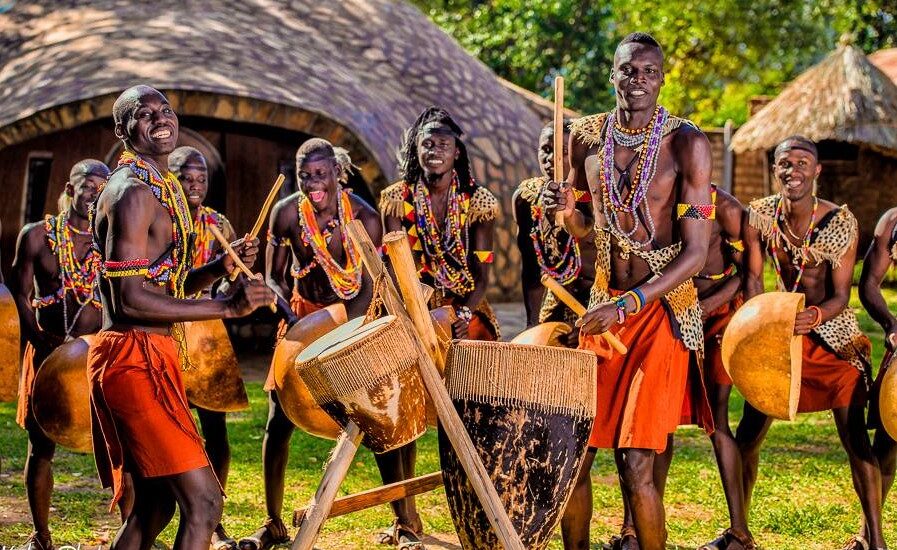
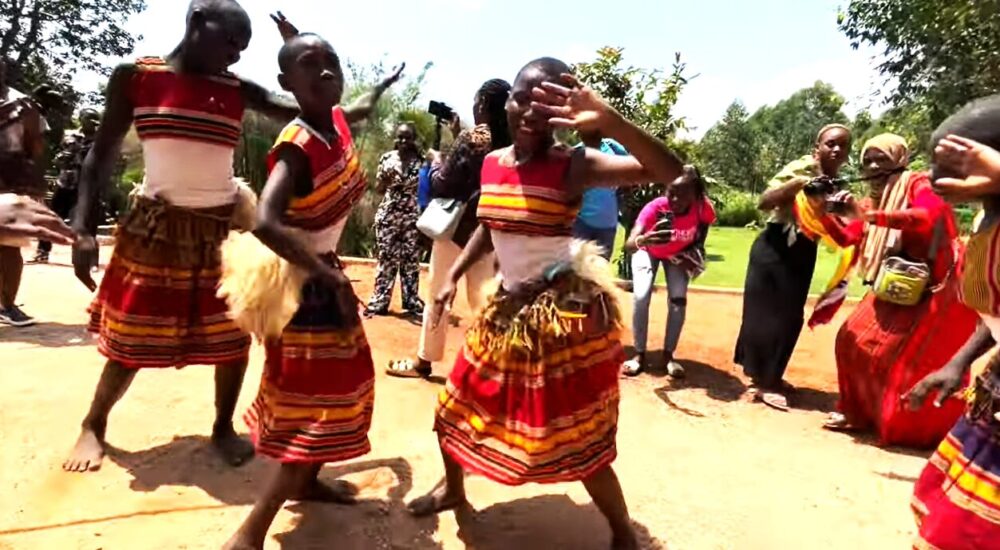
Music and dance are deeply embedded in Ugandan culture. Every community has its own style of music, with instruments such as drums, xylophones, and string instruments playing an essential role. For example, the Banyarwanda people of western Uganda are known for their enchanting songs and dances, while the Baganda have their famous royal drumming and dance performances.
The International Cultural Fair in Uganda provides an opportunity for these ethnic groups to showcase their musical prowess and vibrant dances. These performances often tell stories of Ugandan history, traditions, and everyday life, offering attendees a deeper understanding of the cultural significance behind each rhythm and movement.
Traditional Attire
One of the highlights of the fair is the traditional attire worn by participants. Each ethnic group’s clothing tells a story of its history and way of life. For example, the Kanzu, a long white robe, is traditionally worn by the men of the Buganda kingdom, while women wear colorful and beautifully adorned dresses such as the gown or lesu. During the event, attendees are often treated to fashion shows or demonstrations showcasing the rich and diverse clothing styles from different ethnic groups.
Cuisine: A Taste of Uganda and the World
Another major highlight of the International Cultural Fair is the array of traditional Ugandan cuisine that is served during the event. Each ethnic group has its own set of culinary delights, many of which are offered at the fair.
For example, matoke (plantains) is a popular dish among the Banyankole people, while posho (maize flour) with beans is commonly enjoyed by many communities across Uganda. Luwombo, a dish of meat or vegetables steamed in banana leaves, is a specialty of the Baganda people and one of Uganda’s most beloved delicacies.
In addition to the Ugandan delicacies, the fair also features international cuisines, reflecting the global diversity of the event. Visitors can sample dishes from neighboring countries, as well as far-flung places like Asia, the Middle East, and the Americas. The International Cultural Fair, therefore, offers a wonderful opportunity to experience global flavors in one location.
The Importance of the International Cultural Fair
The International Cultural Fair in Uganda holds significant importance, both culturally and socially. Let’s delve deeper into some of the key reasons why this event is so important:
Promoting Unity in Diversity
One of the primary goals of the International Cultural Fair is to promote unity in Uganda’s diverse society. Uganda is home to many different ethnic groups, each with its own unique traditions. While this diversity is one of the country’s greatest strengths, it can also sometimes lead to divisions. The fair serves as a platform for fostering social cohesion, encouraging understanding, and building relationships across cultural lines.
Through shared experiences of art, music, and food, people from various backgrounds are able to see the beauty in each other’s traditions, cultivating a sense of respect and appreciation for the diversity that defines Uganda.
Encouraging Cultural Exchange
The International Cultural Fair also provides a platform for cultural exchange between Uganda and the rest of the world. International visitors and expats living in Uganda can introduce their own customs, dances, and cuisines, fostering an appreciation for cultures outside of Uganda. Similarly, Ugandans have the chance to learn about other countries and traditions.
Such exchanges encourage people to broaden their worldviews, challenge stereotypes, and develop a deeper understanding of global cultures. The fair thus plays a critical role in fostering international cooperation and understanding.
Supporting Local Arts and Crafts
The fair also provides a platform for Ugandan artisans to showcase their skills. Many local artisans and craft makers exhibit traditional Ugandan art, such as beadwork, pottery, and handwoven baskets. By purchasing these products, visitors help support the livelihoods of local artists while preserving and promoting Uganda’s rich cultural heritage.
The event also serves as a marketplace for showcasing local innovation, from traditional art to modern interpretations of Ugandan heritage. This has the added benefit of promoting sustainable tourism and helping Ugandan artists gain recognition on the global stage.
Celebrating National Pride
For Ugandans, the International Cultural Fair is a way to celebrate their national pride and heritage. It is a reminder of the rich history that has shaped the country, from its traditional practices to its more modern achievements. In a rapidly globalizing world, events like the fair allow Ugandans to reconnect with their roots and celebrate the aspects of their identity that make them unique.
The Role of the International Cultural Fair in Tourism
Uganda has long been recognized for its breathtaking landscapes, from the iconic Murchison Falls and the Rwenzori Mountains to the diverse wildlife found in its national parks. However, the International Cultural Fair adds another dimension to Uganda’s tourism appeal: cultural tourism.
Cultural tourism allows visitors to engage with a destination’s heritage, learning about its history, people, and customs. For Uganda, this means that travelers are not only drawn to the country’s natural beauty but also to its rich cultural traditions. The fair brings together international tourists, local Ugandans, and expatriates, creating a unique cultural exchange that enhances the tourism experience.
Tourists attending the fair often return to explore Uganda’s other cultural landmarks, such as the Uganda Museum in Kampala, or visit the historic Kasubi Tombs, which are listed as a UNESCO World Heritage site.
How to Get Involved in the International Cultural Fair
The International Cultural Fair is a celebration that welcomes everyone. Whether you are a Ugandan resident, a tourist, or an expatriate, there are many ways to get involved. You can participate by:
- Performing: If you are a musician, dancer, or performer, you can showcase your talent during the event. This is an excellent opportunity to share your culture and traditions with a wide audience.
- Exhibiting Art and Craft: Artists, craft makers, and vendors can set up stalls to sell traditional Ugandan art, handwoven baskets, clothing, jewelry, and more. This is a great way to support local artisans and entrepreneurs.
- Sharing Cuisine: Food vendors can participate by setting up booths offering traditional Ugandan dishes or international delicacies. Food is a central part of the fair and an excellent way to connect with people from different cultures.
- Volunteering: Volunteers play an essential role in the smooth running of the event. By volunteering, you can meet people from around the world, learn more about other cultures, and contribute to the success of the fair.
Related Posts