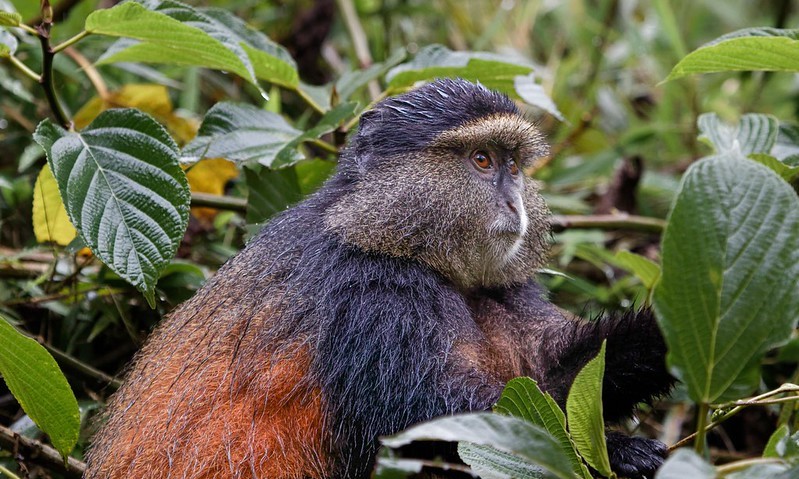
Birding trips in Bwindi impenetrable National Park – Albertine rift endemics in Uganda. The Bwindi…
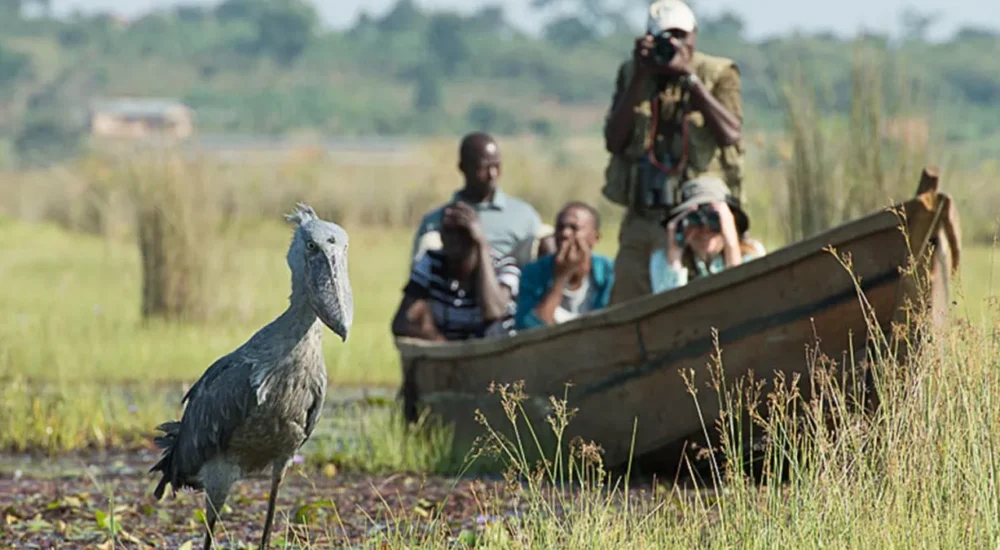
RESPONSIBLE TOURISM IN UGANDA
RESPONSIBLE TOURISM IN UGANDA
Uganda, often referred to as the “Pearl of Africa,” is one of the most ecologically diverse and culturally rich countries in East Africa. From the rare mountain gorillas in Bwindi Impenetrable Forest to the savannahs of Queen Elizabeth National Park, Uganda offers incredible experiences for travelers. However, as tourism continues to grow, the need for responsible tourism in Uganda becomes increasingly vital to ensure the preservation of its ecosystems, wildlife, and cultures for future generations.
What is Responsible Tourism?
Responsible tourism refers to travel that minimizes the negative impact on the environment, culture, and local communities, while maximizing the positive contributions to them. It involves making conscious decisions to reduce your carbon footprint, support local economies, and promote the conservation of natural resources. In Uganda, responsible tourism takes on special significance due to the country’s rich biodiversity, cultural diversity, and the challenges posed by increasing tourist numbers.
By choosing responsible tourism practices, you help create a sustainable and equitable tourism sector that benefits both travelers and locals. It also ensures that Uganda’s unique cultural heritage and natural beauty can be enjoyed for years to come.
Why Responsible Tourism Matters in Uganda
1. Conservation of Wildlife and Ecosystems
Uganda is home to some of the world’s most unique wildlife, including mountain gorillas, chimpanzees, tree-climbing lions, and the critically endangered white rhinos. These species rely on the country’s protected areas, such as Bwindi Impenetrable Forest, Murchison Falls National Park, and Kidepo Valley National Park, for their survival.
Responsible tourism is essential in minimizing the impact of human activities on wildlife habitats. For example, gorilla trekking, one of Uganda’s most popular activities, requires careful management to prevent the spread of diseases to gorillas, reduce stress on the animals, and ensure their habitat remains intact.
2. Support for Local Communities
Tourism in Uganda provides a significant source of income for local communities. Entrance fees for national parks, permits for activities such as gorilla trekking and boat cruises on Lake Victoria, and other tourism-related expenditures all contribute to the local economy. However, when managed responsibly, tourism can offer more direct benefits to local communities, such as job creation, infrastructure development, and the promotion of cultural heritage.
3. Preservation of Uganda’s Culture and Heritage
Uganda is home to over 56 ethnic groups, each with its unique language, traditions, and practices. Responsible tourism emphasizes the importance of respecting local cultures and traditions. This not only ensures that travelers have a deeper and more meaningful connection to Uganda’s diverse communities but also helps preserve these cultures for future generations.
4. Sustainable Economic Development
While tourism is a significant contributor to Uganda’s economy, unregulated tourism can lead to problems such as overcrowding, environmental degradation, and social issues like exploitation and displacement of local communities. By promoting responsible tourism, Uganda can ensure that tourism contributes positively to long-term sustainable economic development.
How to Practice Responsible Tourism in Uganda
1. Support Eco-Friendly Accommodations
Many lodges and accommodations in Uganda are becoming increasingly eco-conscious, adopting practices such as water conservation, waste management, and sustainable sourcing of food. Look for accommodations that are certified by organizations like Eco Tourism Uganda, which ensure that environmental standards are met.
2. Respect Wildlife and Natural Habitats
Wildlife conservation is at the heart of responsible tourism in Uganda. Whether you are on a safari in Murchison Falls or trekking gorillas in Bwindi, it’s essential to follow the guidelines provided by park rangers to minimize the impact on wildlife.
3. Promote Cultural Sensitivity and Awareness
Uganda’s cultural diversity is one of its greatest assets, and travelers should always approach their interactions with local communities with respect and sensitivity. Here are a few tips to ensure that you are culturally responsible:
- Learn about local customs.
- Engage with locals respectfully.
- Buy local crafts directly from artisans or markets.
4. Support Community-Based Tourism Initiatives
Community-based tourism (CBT) is a growing sector in Uganda, offering authentic experiences while supporting local communities. Participate in activities like visiting local villages, learning traditional crafts, and engaging in community-led conservation efforts.
5. Reduce Your Carbon Footprint
To reduce your environmental impact while traveling in Uganda, consider using public transport, offsetting your carbon emissions, and supporting sustainable transport options like bicycles or electric vehicles.
6. Be Mindful of Water and Waste Usage
Water scarcity is a major issue in Uganda. Use water sparingly, take shorter showers, and dispose of waste responsibly. Every small effort can help reduce the strain on Uganda’s limited resources.
Benefits of Responsible Tourism in Uganda
- Conservation of Natural Resources: Protects Uganda’s ecosystems and wildlife.
- Economic Empowerment: Supports local communities and small businesses.
- Cultural Preservation: Helps maintain Uganda’s diverse cultures.
- Long-Term Sustainability: Ensures that tourism benefits everyone in the long run.
Conclusion: The Future of Responsible Tourism in Uganda
Uganda’s tourism sector holds tremendous potential for sustainable development, but it requires a collective effort from tourists, the government, and local communities to ensure that its rich wildlife, culture, and environment are preserved. As travelers, we have the responsibility to choose how we interact with the world around us and make decisions that promote sustainability.
By practicing responsible tourism in Uganda, you contribute to the protection of its precious resources and ensure that future generations can enjoy the magic of the “Pearl of Africa.”
Related Posts