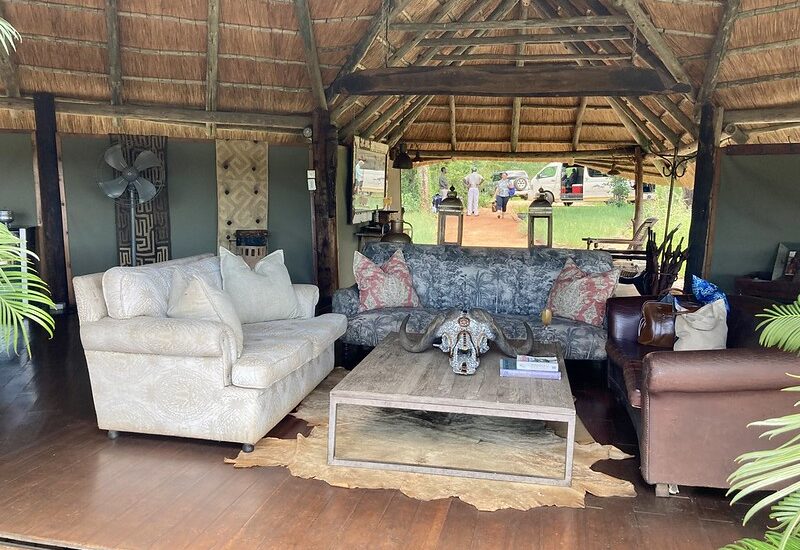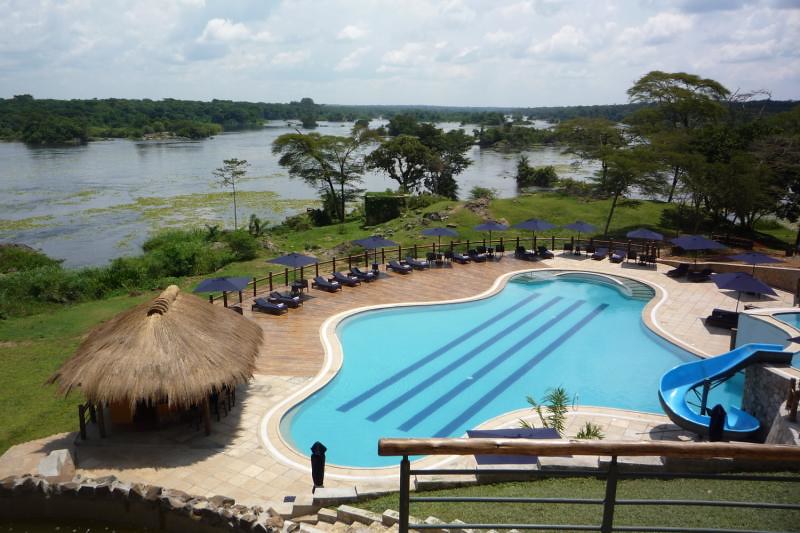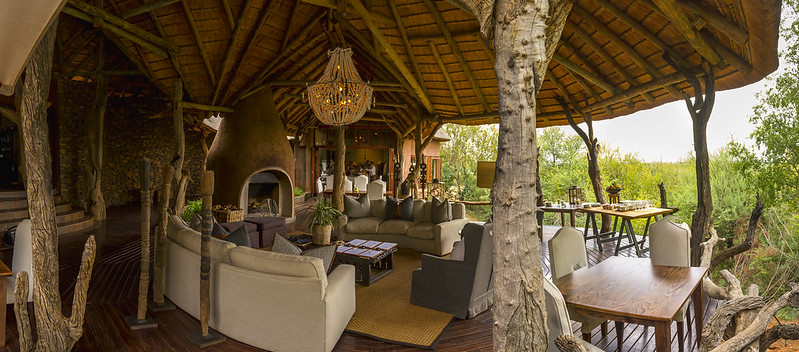
Top 10 Best Luxury Hwange Safari Lodges & Camps Hwange National Park, Zimbabwe's largest and…
Currency and Budgeting in Uganda: A Traveler’s Guide
Uganda, also known as the “Pearl of Africa,” offers an array of experiences for travelers—from gorilla trekking to safaris in national parks. To make the most of your trip, it’s essential to understand the currency and budgeting in Uganda. Whether you’re exploring the capital Kampala or trekking through the wild, this guide will help you navigate your finances while traveling in Uganda.
1. Understanding Currency in Uganda
Ugandan Shilling (UGX)
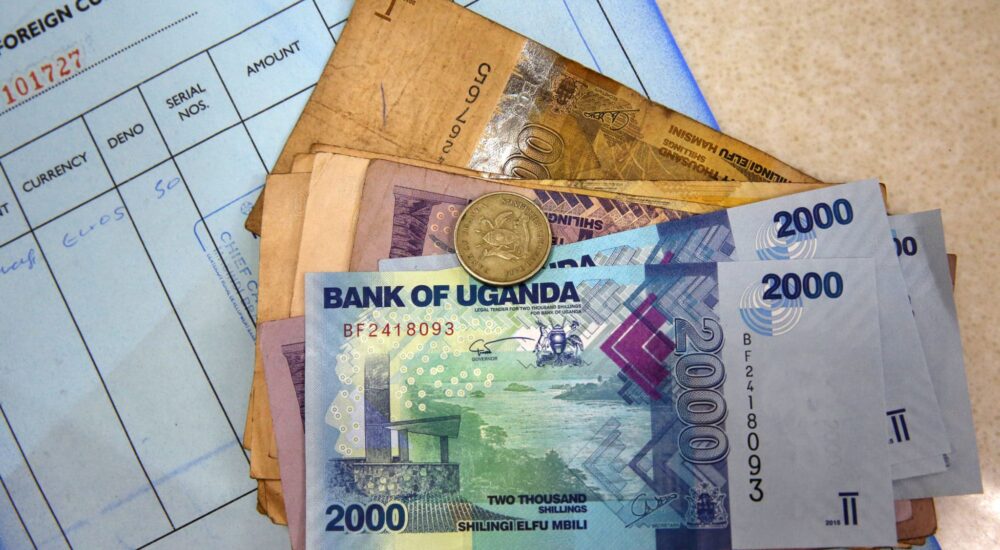
The official currency of Uganda is the Ugandan Shilling (UGX), commonly represented by the symbol USh. The currency is available in both coins and banknotes.
- Coins: 50 USh, 100 USh, 200 USh, 500 USh, and 1,000 USh are commonly used for smaller transactions.
- Banknotes: 1,000 USh, 2,000 USh, 5,000 USh, 10,000 USh, 20,000 USh, and 50,000 USh are common denominations.
Exchange Rates
It’s important to keep track of exchange rates. As of the latest updates, 1 USD typically equals 3,700 USh. However, rates can fluctuate, so always check the current rate before exchanging currency.
2. Where to Exchange Currency
Currency Exchange Services
You can exchange your currency at various locations in Uganda, including banks, exchange bureaus, and ATMs. Here’s where to go:
- Banks: Reliable banks like Stanbic Bank, DFCU Bank, and Bank of Africa offer competitive exchange rates with a small commission fee.
- Foreign Exchange Bureaus: Numerous exchange bureaus around urban areas, such as Kampala, provide currency exchange services with good rates.
- ATMs: ATMs in Uganda, including those from Centenary Bank and Standard Chartered, allow you to withdraw Ugandan Shillings using your international debit or credit card.
- Hotels and Resorts: Some upscale hotels may offer currency exchange, but rates are often higher compared to banks and bureaus.
3. Budgeting for Your Trip to Uganda
Cost of Living in Uganda
The cost of living in Uganda is relatively affordable compared to many Western countries. However, costs can vary based on the type of accommodation and activities you plan to do.
Accommodation Costs
- Budget Hotels: Prices range from $10 to $30 per night.
- Mid-Range Hotels: These typically cost between $30 to $100 per night.
- Luxury Hotels: Expect to pay anywhere from $150 to $500 per night.
Food and Dining
- Street Food: Items like rolex (a local snack) cost between 2,000 to 5,000 USh.
- Local Restaurants: Meals in local restaurants cost between 10,000 to 20,000 USh.
- International Restaurants: Meals in upscale restaurants can cost between 30,000 to 70,000 USh.
Transportation Costs
- Boda-bodas: Motorcycle taxis are a cheap option, costing around 2,000 to 5,000 USh for short trips.
- Matatus: Shared minibuses may cost between 5,000 to 10,000 USh for intercity travel.
- Private Taxis: Renting a taxi for the day can cost 50,000 to 150,000 USh.
- Car Rentals: Renting a car with a driver costs around $50 to $100 per day.
Activity Costs
- Gorilla Trekking: The permit for gorilla trekking costs between $700 and $1,500 depending on the season.
- Safari Tours: A full-day safari may cost $100 to $200 per person
- Cultural Experiences: Visiting local communities or partaking in cultural activities typically costs 10,000 to 50,000 USh.
Budgeting Tips for Uganda
- Track Your Expenses: Use budgeting apps like Mint or Travel Mapper to keep an eye on your spending.
- Use Local Currency: Pay in Ugandan Shillings whenever possible to avoid unfavorable exchange rates.
- Cash Is King: While cards are accepted in urban areas, always carry enough cash for purchases in remote areas.
- Consider Travel Insurance: Protect yourself from unexpected medical or travel-related expenses.
4. Currency and Budgeting Tips for Tourists in Uganda
- Carry a mix of payment options: Bring both cash and a credit card for flexibility.
- Avoid airport exchange: Airport exchange rates are usually unfavorable—exchange your money at a bank or bureau instead.
- Beware of scams: Avoid exchanging money on the street or in unsafe places. Use trusted banks or bureaus.
- Set a daily spending limit: Help control your budget by limiting how much you spend each day on food, transport, and activities.
Conclusion
When traveling to Uganda, understanding currency and budgeting will make your journey more enjoyable and stress-free. With affordable living costs, a range of transportation options, and an abundance of activities to choose from, Uganda offers a variety of experiences to suit all types of travelers. By planning your budget and knowing where to exchange money, you’ll be able to explore the beauty of Uganda without financial stress. Whether you’re hiking through the jungles of Bwindi to see gorillas or relaxing by Lake Victoria, Uganda is ready to offer you an unforgettable experience!
Related Posts