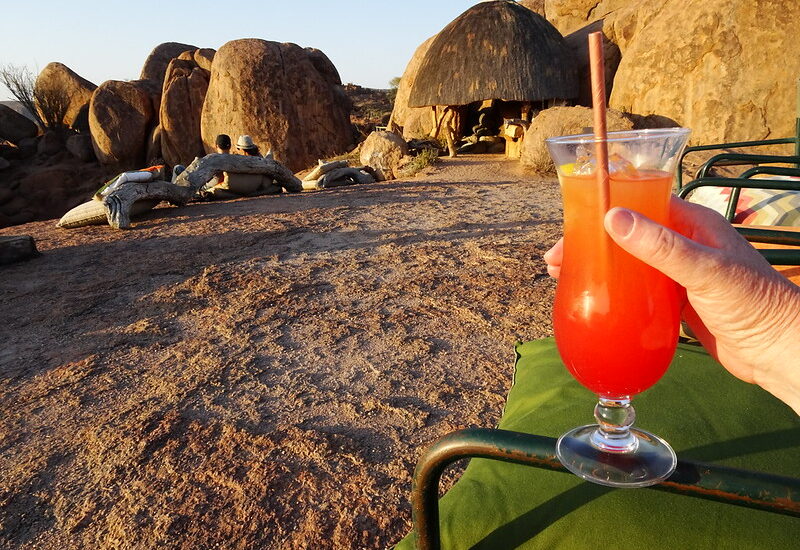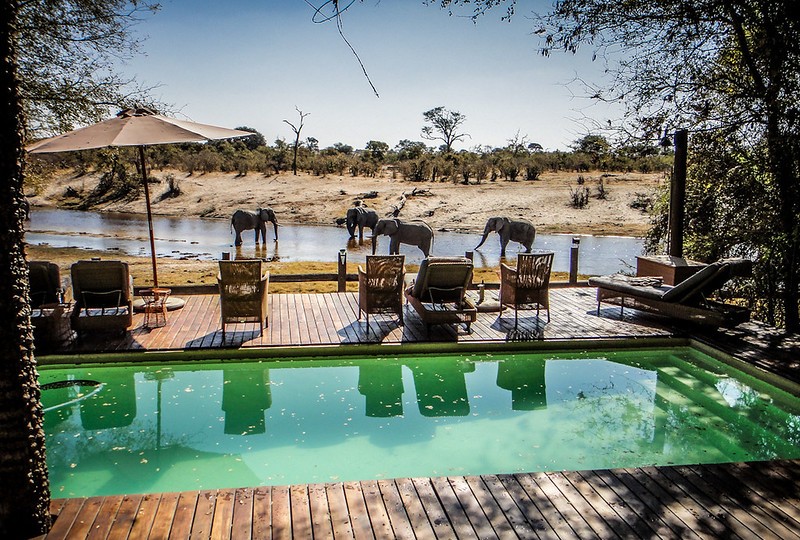
Top 10 Best-value Luxury Damaraland Lodges & Camps. One of the most beautiful areas of…
Cultural Encounters in Uganda
Uganda, often referred to as the “Pearl of Africa,” is a country brimming with diverse cultures, languages, and traditions. This landlocked East African nation offers a plethora of opportunities for cultural immersion, where travelers can engage with local communities, learn about ancient practices, and experience the warmth and hospitality of the Ugandan people. From the vibrant music and dance of the Baganda people to the colorful festivals of the Bakiga, Uganda is a place where cultures come alive.
1. Introduction to Uganda’s Cultural Diversity
Uganda is one of Africa’s most culturally diverse countries, home to over 50 ethnic groups, each with its own distinct customs, language, and traditions. These communities, despite their differences, share a common heritage shaped by the country’s complex history and geography. From the lush forests of the south to the rolling hills of the west, Uganda’s culture is intertwined with its landscapes, people, and history.
2. The Main Tribes of Uganda and Their Traditions
The Baganda People
The Baganda are Uganda’s largest ethnic group, residing primarily in the central region, around Kampala. They speak Luganda, and their culture is a significant influence on the national identity of Uganda. The Buganda Kingdom, one of the oldest kingdoms in Uganda, has played an essential role in the country’s politics, economy, and culture.
The Bakiga People
The Bakiga people of southwestern Uganda, in the Kigezi region, are known for their agricultural prowess, particularly farming potatoes, beans, and maize. They have a rich history, with traditions that date back centuries.
The Basoga People
The Basoga people, residing in the eastern part of Uganda along the banks of the Victoria Nile, are famous for their agricultural practices, particularly the cultivation of bananas. Their culture is largely centered around farming and their connection to the River Nile.
The Banyankole People
The Banyankole people of southwestern Uganda are one of the largest ethnic groups in the country. Their culture revolves around cattle herding and pastoralism. The Ankole region is known for its distinctive long-horned cattle, which are an integral part of the Banyankole people’s social and cultural life.
3. Traditional Ugandan Festivals and Celebrations
The Buganda Royal Cultural Festival
The Buganda Kingdom holds an annual Royal Cultural Festival, also known as Ekitaganda. This event celebrates the Buganda Kingdom’s culture, music, art, and heritage. It brings together locals and visitors alike to experience traditional Baganda music, dances, foods, and cultural exhibitions.
The Kigezi Highland Festival
The Kigezi Highland Festival is an annual event celebrating the customs and culture of the people of southwestern Uganda. Held in the stunning Kigezi Highlands, the festival features traditional dances, music, art, and storytelling from the region’s Bakiga, Banyankole, and Banyoro people.
The Imbalu (Bumisu) Ceremony
The Imbalu ceremony is a traditional initiation rite of the Bumisu people, a sub-group of the Bagisu people from eastern Uganda. It marks the transition from boyhood to manhood for young men and involves the circumcision ritual. The ceremony is a highly significant event in the region and is celebrated with music, dancing, and feasting.
4. Music, Dance, and Art in Uganda
 Traditional Ugandan Music
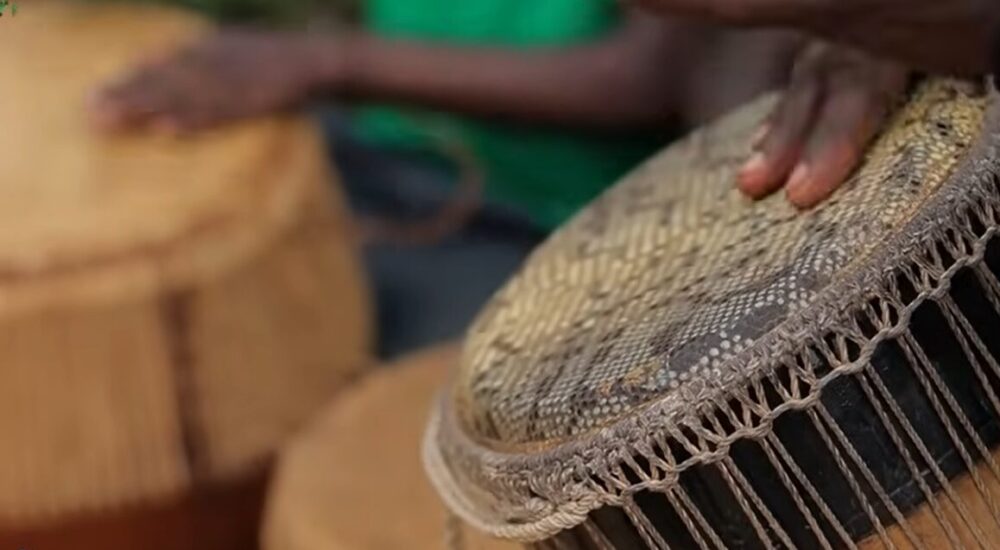
Music is at the heart of Ugandan culture, with each ethnic group having its own distinct musical traditions. The Baganda, for example, are known for their use of drums and the Adungu, a traditional string instrument. Drumming is an integral part of Ugandan culture, used in various social functions like marriage ceremonies, funerals, and religious observances.
The Role of Dance in Ugandan Culture
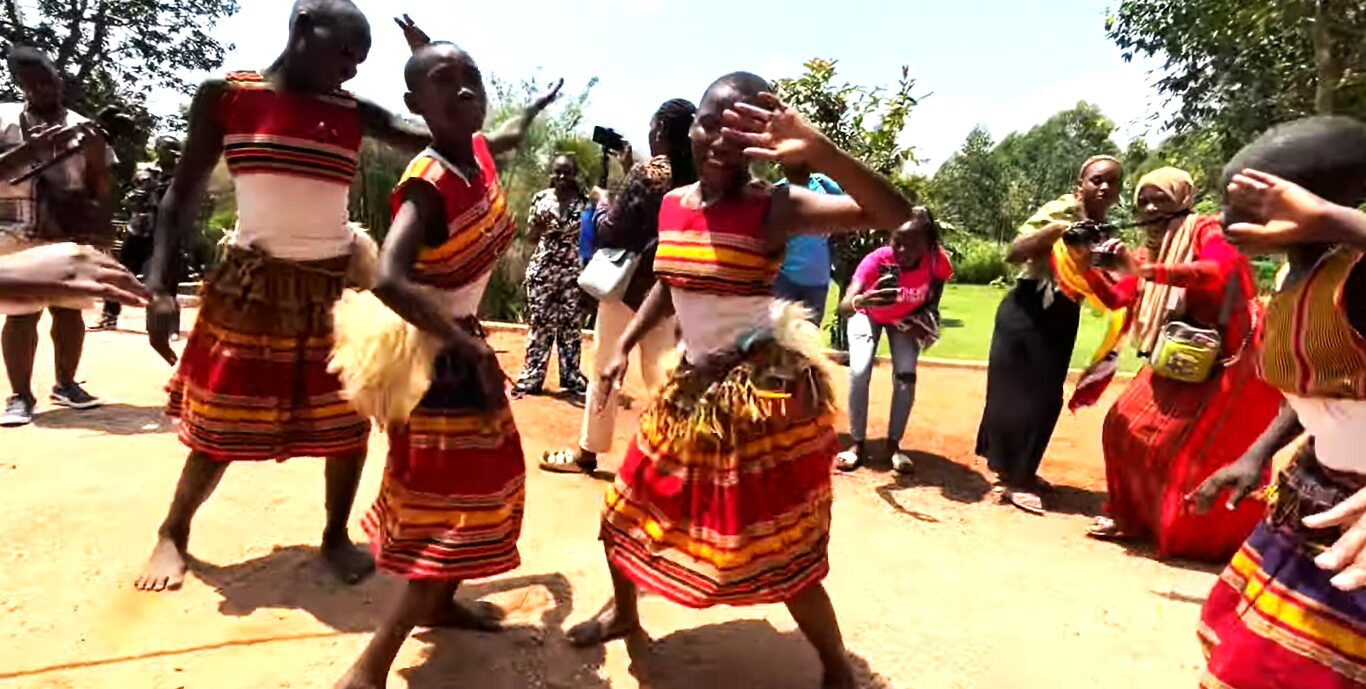
Dance in Uganda is a vital expression of social, spiritual, and cultural identity. Traditional Ugandan dances vary by region, and they are performed during important ceremonies, weddings, and community gatherings. The dances are lively, vibrant, and full of energy, often accompanied by traditional drumming.
Ugandan Arts and Crafts
Uganda is also home to a thriving arts and crafts scene, with local artisans creating beautiful handcrafted items such as woven baskets, beaded jewelry, and carved wood figurines. Many visitors engage with local artisans in the rural villages, learning about their craft and even participating in the creation of these pieces.
5. Ugandan Cuisine: A Culinary Journey
Ugandan food is as diverse as its people, with each tribe offering unique dishes. Staple foods in Uganda include matoke (steamed green bananas), posho (maize porridge), gobe (beans), and groundnut stew (peanut sauce). Additionally, Ugandan fish, often sourced from Lake Victoria, is a delicacy enjoyed by many locals.
6. Visiting Indigenous Communities: Tips for Cultural Respect
When engaging with indigenous communities in Uganda, it is essential to approach with respect, humility, and understanding. Always ask for permission before taking photos, dress modestly, support local artisans by purchasing handmade goods, and learn about the culture and history of the tribe you are visiting.
7. How to Plan Your Cultural Encounter in Uganda
Planning a cultural encounter in Uganda involves several steps to ensure a respectful and enriching experience. It’s important to consider guided tours with local experts who can help you navigate cultural sensitivities and connect you with indigenous communities. There are various travel agencies in Uganda that specialize in cultural tours, offering trips to rural villages, cultural centers, and ceremonies.
8. Conclusion: Celebrating Uganda’s Rich Culture
Uganda’s cultural encounters are transformative experiences that allow travelers to connect with the country’s diverse tribes, traditions, and history. Whether you’re visiting the Baganda people in the heart of Uganda, experiencing a traditional Imbalu ceremony, or savoring delicious Ugandan food, the opportunities for cultural immersion are endless.
Book your trip, here
Related Posts