Top 10 Best-value Luxury Damaraland Lodges & Camps. One of the most beautiful areas of…
Tree-Climbing Lions: Africa’s Most Enigmatic Predators
Tree-Climbing Lions: Africa’s Most Enigmatic Predators
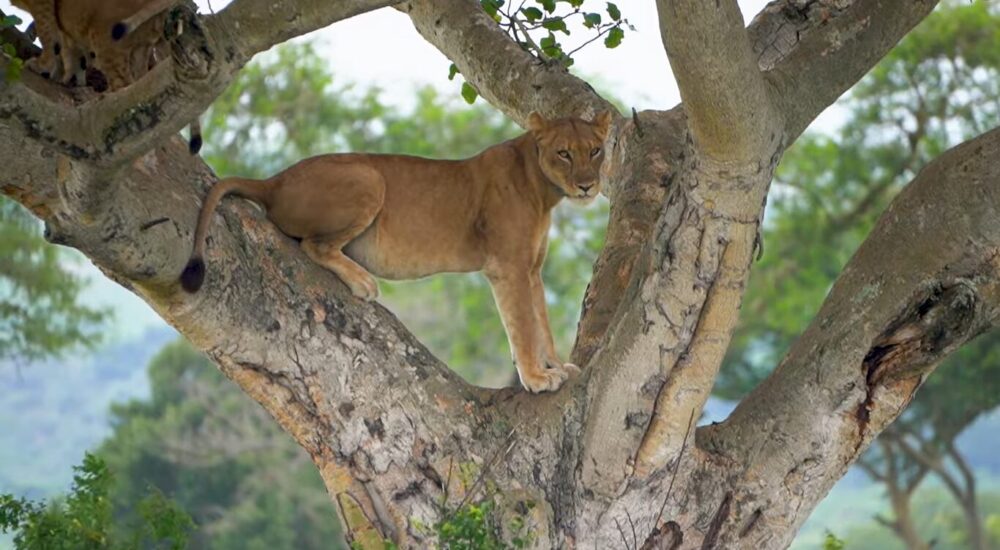
Tree-climbing lions are one of the most extraordinary wildlife spectacles in Africa. Found in only a few locations, including Uganda’s Ishasha Sector, these rare lions defy typical lion behavior by climbing and resting in trees.
What Are Tree-Climbing Lions?
Unlike leopards, most lions do not climb trees. But in places like Queen Elizabeth National Park, lions regularly ascend fig trees to rest, cool off, and spot prey. This adaptation is unique to just a few prides in the world.
Where Can You See Tree-Climbing Lions?
1. Ishasha Sector, Queen Elizabeth National Park (Uganda)
Uganda is the top destination to see tree-climbing lions in the wild. The Ishasha Sector offers the best chance for sightings, where lions lounge on fig tree branches during hot midday hours.
2. Lake Manyara National Park (Tanzania)
In Tanzania, sightings are possible in Lake Manyara National Park, though they are less consistent than in Uganda.
Why Do Lions Climb Trees?
- To escape heat on the ground and catch breezes in tree canopies
- To avoid biting insects like tsetse flies
- To get a better vantage point of the surrounding savannah
- Possibly as a learned behavior passed through generations
Ishasha’s Tree-Climbing Lions
Located in southwestern Uganda, Ishasha is part of Queen Elizabeth National Park and is home to the most famous population of tree-climbing lions. These lions are often seen lying across tree branches in the heat of the day.
Best Time to Visit
The best months to visit are during Uganda’s dry seasons: June–August and December–February.
Tree-Climbing Lions vs. Leopards
| Feature | Tree-Climbing Lions | Leopards |
|---|---|---|
| Climbing Skill | Moderate | Excellent |
| Reason for Climbing | Shade, comfort, view | Hunting, storing kills, safety |
| Frequency | Rare and location-specific | Common across Africa |
How to Spot Tree-Climbing Lions
- Book a safari with experienced guides in the Ishasha Sector
- Visit during hot hours (10am–3pm) when lions seek trees for rest
- Use binoculars and cameras with zoom lenses
- Stay quiet and follow guide instructions for ethical wildlife viewing
Conservation Status
Lions are classified as Vulnerable by the IUCN. Tree-climbing lion populations are even more at risk due to their small range and human conflict.
Threats
- Habitat loss and deforestation
- Human-wildlife conflict (retaliatory killings)
- Poaching and prey depletion
Conservation Efforts
Organizations like the Uganda Wildlife Authority and local community programs are actively protecting these lions through anti-poaching, research, and eco-tourism initiatives.
Responsible Eco-Tourism
Visiting Uganda to see tree-climbing lions helps support conservation and local communities. Choose operators that follow ethical wildlife viewing practices and support local guides.
Photography Tips
- Use a telephoto lens for lions in tall trees
- Capture the contrast of lions against blue skies or leafy canopies
- Take photos during golden hour for dramatic lighting
Frequently Asked Questions
Are tree-climbing lions a separate species?
No, they are the same species as other African lions. This behavior is regional and learned.
Can I see them elsewhere in Uganda?
Not reliably — the Ishasha Sector is the primary place for sightings.
Is it safe to go on a lion safari?
Yes, as long as you stay in your vehicle and follow your guide’s instructions.
Conclusion
The tree-climbing lions of Uganda are a true wildlife wonder. Rare, mysterious, and stunning to observe, they are a highlight of any African safari. By visiting responsibly, you contribute to the preservation of these incredible creatures and the ecosystems they call home.
Book your trip, here
Related Posts