African Parks Rewilds 2,000 White Rhinos in Historic Conservation Move In a groundbreaking move hailed…
The Big Five in Uganda: A Guide to Africa’s Most Iconic Wildlife
The Big Five in Uganda: A Guide to Africa’s Most Iconic Wildlife
Uganda, often referred to as the Pearl of Africa, is one of the most biodiverse countries in the world. Known for its stunning landscapes, from dense forests to savannahs and mountain ranges, Uganda offers a diverse range of habitats for a variety of wildlife. Among the most sought-after animals on a safari in Uganda are the Big Five: the lion, elephant, buffalo, leopard, and rhino. These majestic creatures are considered the most iconic and elusive of African wildlife, and spotting them is a major highlight for safari-goers.
While Uganda may not be as well known as some of its neighbors for Big Five safaris, the country is home to a variety of national parks and conservation areas where you can encounter these incredible animals in their natural habitats. In this blog, we will take you through the Big Five in Uganda, where to find them, and why Uganda is one of the best destinations to experience these magnificent creatures.
What is the Big Five?
Before we dive into Uganda’s Big Five, it’s important to understand what the Big Five actually means. The term was originally coined by hunters to describe the five most difficult animals to hunt on foot in Africa. Over time, however, the phrase has been redefined by wildlife conservationists and safari operators to refer to the five most iconic and sought-after animals to see during a safari.
The Big Five includes:
- Lion (Panthera leo)
- African Elephant (Loxodonta africana)
- African Buffalo (Syncerus caffer)
- Leopard (Panthera pardus)
- Rhinoceros (both black and white species, though rhinos are rarer to spot)
While hunting these animals is now illegal in many African countries, spotting them in the wild remains one of the most thrilling experiences for tourists and wildlife enthusiasts.
1. Lions in Uganda: The King of the Jungle
Overview:
Lions, often referred to as the “King of the Jungle,” are one of the most iconic species in the Big Five. Known for their majestic manes and fearsome roars, lions are apex predators that are highly social, living in prides with complex hierarchies. In Uganda, lions can be found in a few key national parks, where they roam the vast savannahs and woodlands.
Where to Find Lions in Uganda
The best places to see lions in Uganda are in Queen Elizabeth National Park, one of the most popular parks in the country. This park is home to the famous tree-climbing lions in the Ishasha sector. Another great location to spot lions is Murchison Falls National Park, Uganda’s largest park.
Why Visit for Lions?
- Unique Tree-Climbing Lions: The lions in Ishasha are famous for climbing trees.
- Game Drives: Excellent opportunities to see lions during game drives.
2. Elephants in Uganda: The Gentle Giants
Overview:
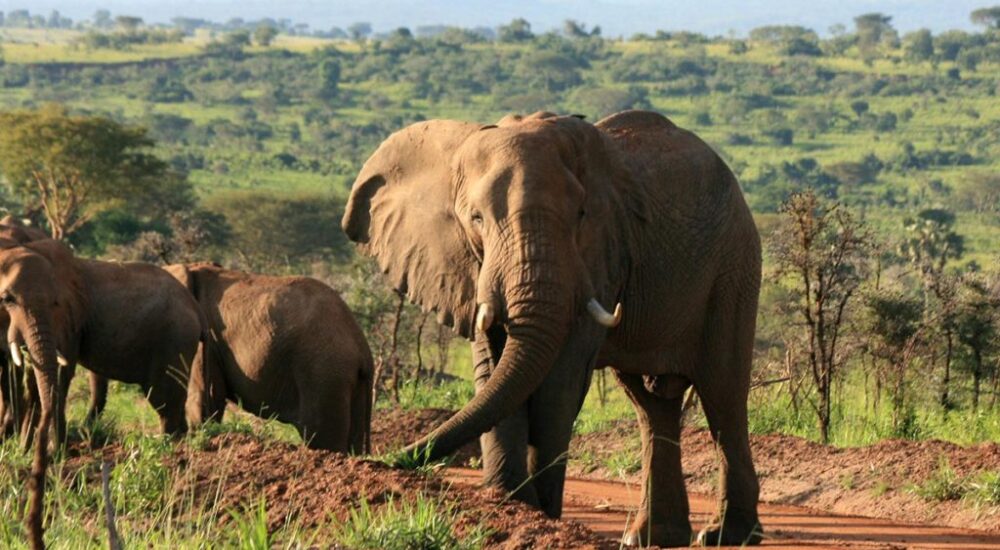
The African elephant is the largest land mammal on Earth and a symbol of strength, wisdom, and beauty. Known for their large ears, long trunks, and tusks, elephants are a key part of Uganda’s wildlife and are often a highlight of any safari.
Where to Find Elephants in Uganda
Elephants are found in Murchison Falls National Park and Queen Elizabeth National Park, where large herds of elephants roam the savannahs and wetlands.
Why Visit for Elephants?
- Elephant Sightings: Frequent sightings of large herds in Uganda’s national parks.
- Elephant Conservation: Uganda’s parks provide a safe haven for elephants.
3. Buffaloes in Uganda: The Mighty Herds
Overview:
African buffaloes are massive, powerful animals that often travel in large herds. These herbivores are known for their formidable horns, which are used for defense against predators like lions and crocodiles.
Where to Find Buffaloes in Uganda
Buffaloes are commonly found in Queen Elizabeth National Park and Murchison Falls National Park.
Why Visit for Buffaloes?
- Large Herds: See large herds of buffaloes roaming the savannah.
- Thrilling Encounters: Buffaloes are known to be unpredictable and aggressive.
4. Leopards in Uganda: The Elusive Predator
Overview:
Leopards are one of Africa’s most elusive predators, known for their stealth, intelligence, and beautiful spotted coats. They are solitary creatures, often hunting alone and storing their kills in trees to protect them from scavengers.
Where to Find Leopards in Uganda
Leopards are more difficult to spot than other members of the Big Five. However, Queen Elizabeth National Park and Kidepo Valley National Park are excellent places to catch a glimpse of these elusive predators.
Why Visit for Leopards?
- Rare Sightings: Leopards are solitary and nocturnal, making sightings rare but rewarding.
- Exclusive Wildlife Experience: Spotting a leopard is a rare privilege.
5. Rhinoceros in Uganda: The Rare and Endangered Species
Overview:
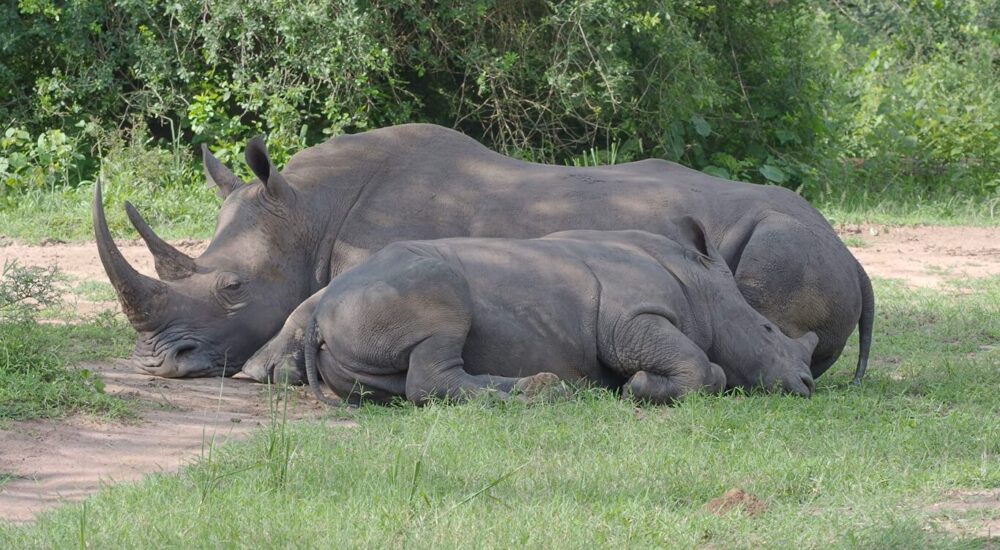
Rhinos are one of the most endangered species on the planet, and spotting one in the wild is a rare and unforgettable experience. Uganda’s rhino populations were once wiped out due to poaching, but reintroduction efforts are underway.
Where to Find Rhinos in Uganda
The Ziwa Rhino Sanctuary is the only place in Uganda where rhinos are being reintroduced into the wild. Here, you can encounter both black and white rhinos in a protected environment.
Why Visit for Rhinos?
- Conservation Efforts: Uganda’s efforts to protect rhinos are crucial for their survival.
- Close Encounters: The Ziwa Rhino Sanctuary offers a unique chance to see rhinos up close.
Conclusion
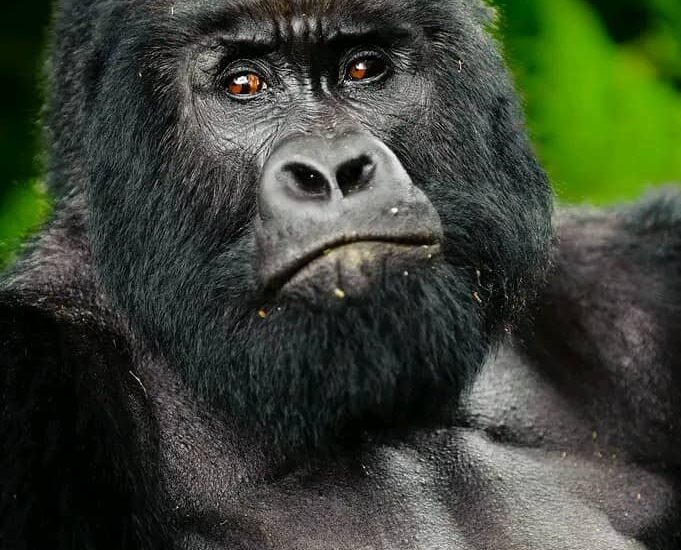
Uganda may not be the first destination that comes to mind when thinking of the Big Five, but the country offers incredible opportunities to encounter these iconic animals in their natural habitats. Whether you’re trekking to see mountain gorillas in Bwindi Impenetrable National Park or going on a thrilling game drive through Queen Elizabeth or Murchison Falls, Uganda provides the perfect backdrop for an unforgettable safari experience.
By visiting Uganda’s national parks and wildlife sanctuaries, you contribute to the ongoing protection of these incredible animals and their habitats, ensuring that future generations can enjoy the wonders of Africa’s most iconic wildlife.
Book your trip, here
Related Posts