Top 10 Best Luxury Hwange Safari Lodges & Camps Hwange National Park, Zimbabwe's largest and…
Lake Victoria
Lake Victoria
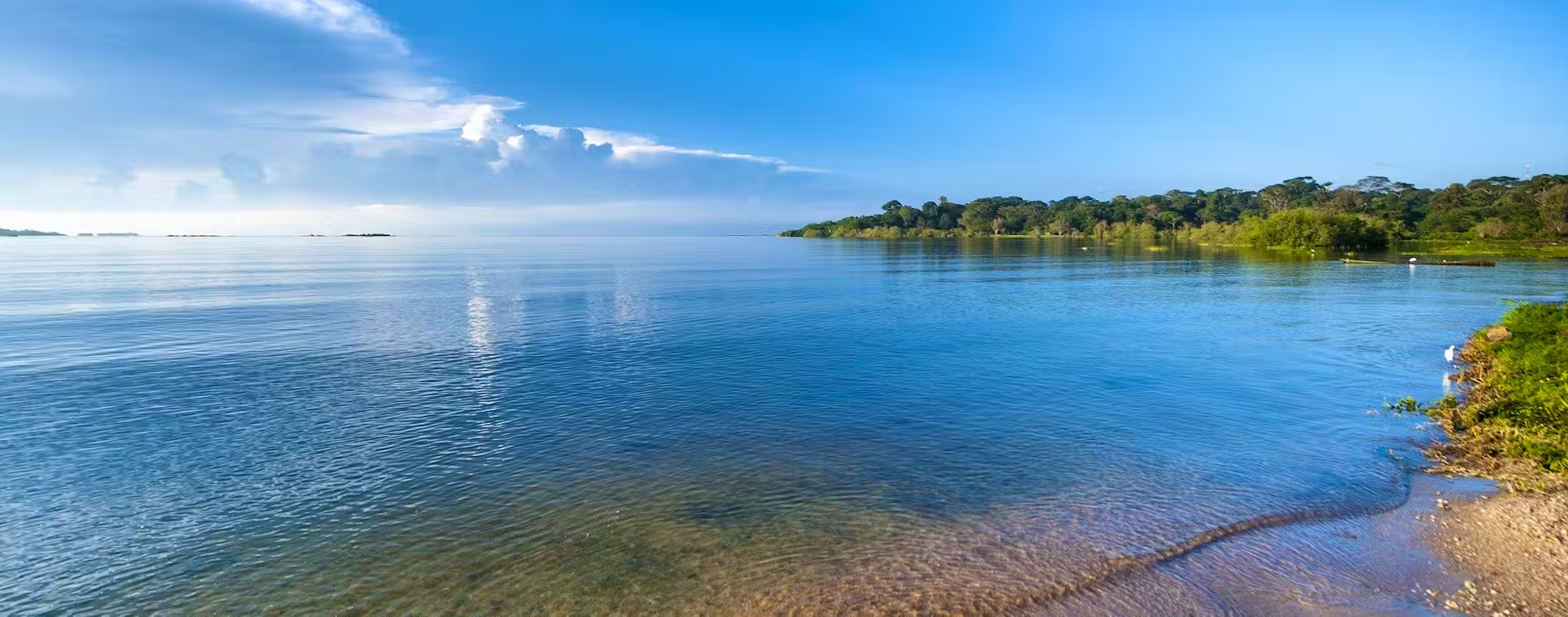
Lake Victoria is a majestic and expansive lake that continues to impress all who visit. It was in 1858 that explorer John Speke arrived at its shores during his search for the source of the Nile River. He named the lake after Queen Victoria of England. Today, Lake Victoria—also known as Victoria Nyanza—remains a destination of wonder and natural beauty.
It is the world’s largest tropical lake and the second-largest freshwater lake after Lake Superior in North America. Covering an area of 68,800 square kilometers (26,565 square miles), it resembles a small inland sea. Unlike many nearby lakes, it is a freshwater lake and not part of the Rift Valley ecosystem. The lake is shared by Uganda, Kenya, and Tanzania, and reaches a depth of 80 to 84 meters (262 to 275 feet). It is mainly fed by rainwater, the Kagera River, and other small streams, and its waters flow northward into the Nile River.
Although John Speke is credited with the lake’s “discovery,” the Bassese people had lived along its shores for generations before his arrival.
Major Attractions Near Lake Victoria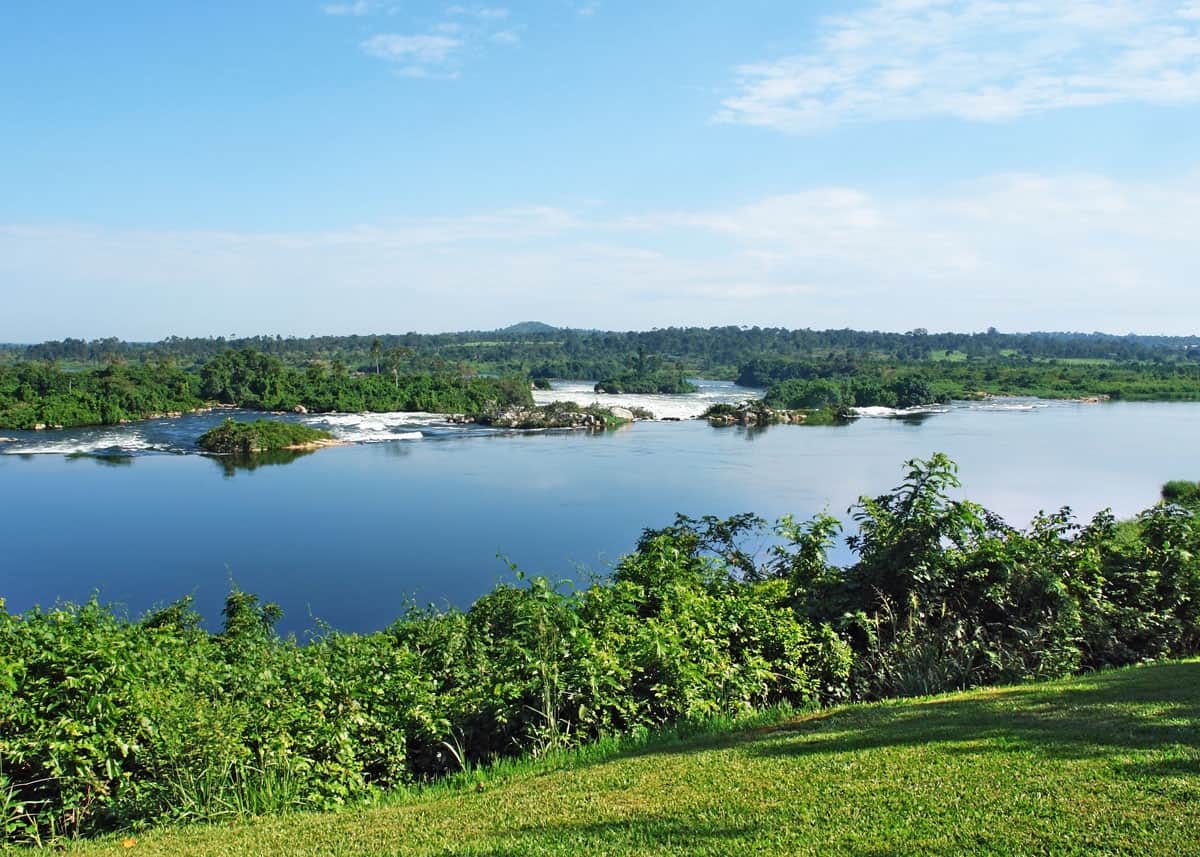
One of Lake Victoria’s most unique features is the Ssese Islands—a group of 84 islands considered among the world’s top ten hidden island destinations. With sandy beaches, blue waters, palm trees, and gentle breezes, these islands offer a relaxing and unusual inland beach holiday in Africa.
Each island has its own ecosystem, home to birds, plants, trees, and animals such as crocodiles, hippos, and monkeys. The islands closest to Entebbe are ideal for peaceful getaways or short stopovers before or after a safari in Uganda’s national parks. The proximity of the lake to Entebbe International Airport makes it easily accessible for both tourists and locals.
Fishing on Lake Victoria
Lake Victoria is a paradise for fishing enthusiasts and bird watchers. Visitors can look out for hippos hiding among water hyacinth and papyrus reeds. The area is rich in birdlife, with many colorful and rare species that can be spotted during boat rides near Entebbe or on the islets.
Fishing trips are popular, with opportunities to catch tilapia weighing around 2 kilograms (4 pounds) or the massive Nile perch, which can range from 8 to 80 kilograms (17 to 176 pounds). Some have even reached a record-breaking weight of 227 kilograms (500 pounds).
The lake once hosted over 320 species of cichlids—vibrant tropical fish—although only eight species remain today due to the introduction of the Nile perch for commercial fishing. Visitors can enjoy scenic views of green islands surrounded by deep blue waters and meet the local communities living on and near the islands.
Island Tours
The Ssese Islands offer diverse wildlife, with ecosystems supporting crocodiles, hippos, and more than 450 bird species. Explore meadows, forests, and wetlands while enjoying nature walks in search of birds and small animals such as monkeys, otters, bushbucks, and sitatungas.
Visitors can relax with fresh pineapple juice or cocktails while watching sunsets from rocky viewpoints. Bulago Island is a highlight and part of East Africa’s only freshwater marine reserve—the Lacustrine Protected Area (LPA)—which helps protect fish populations across 200 square kilometers.
Birding on Lake Victoria
Bird lovers will enjoy watching fish eagles dive into the lake for food, showcasing their impressive hunting skills. Migratory birds such as Abdim’s stork and the white-throated bee-eater also visit the area.
Ngamba Island Chimpanzee Sanctuary
Ngamba Island, located 27 kilometers southeast of Entebbe, is home to a sanctuary for orphaned chimpanzees. Operated by The Chimpanzee Trust, the sanctuary provides care for chimps that cannot return to the wild. Visitors can take half-day or full-day tours, and even stay overnight at the Ngamba Eco Lodge.
Mabamba Swamp
Located on the northern side of Lake Victoria, Mabamba Swamp is one of Uganda’s top birding destinations. More than 300 bird species live here, including the rare and striking Shoebill. Visitors explore the swamp by traditional boat, guided by local birding experts. The best time to see the Shoebill is early in the morning, along with other species such as the African marsh harrier.
Best Time to Visit Lake Victoria
Many travelers with Monumental Expeditions and Safaris spend a few days in Entebbe or along Lake Victoria’s shores to rest after international flights or adventurous safaris in places like Bwindi Impenetrable National Park. The Ssese Islands and inland beaches are perfect for relaxation before or after wildlife safaris.
The best time to visit Lake Victoria is during the dry season, from June to October. These months are ideal for birdwatching, fishing, and cycling, with less rain and better trail conditions. The wet season, from March to May, can also be beautiful as the landscape becomes lush and full of life, though rain may affect travel plans.
Accommodation at Lake Victoria
Lake Victoria Hotel
Located just 13 minutes from the lake, this hotel offers African and international cuisine, a spa, a gym, and an outdoor pool. It also provides a free airport shuttle service to Entebbe International Airport, which is 3.1 km away.
Entebbe Protea Hotel
A 4-star resort near Entebbe Airport, this hotel offers comfortable accommodation and a menu featuring tilapia and Nile perch. The Tides Spa is a great place to relax after a day at the lake.
Brovad Sands Lodge
Located on Bugala Island in the Ssese archipelago, this lodge is a peaceful beach resort surrounded by white sand, tropical plants, and Lake Victoria’s waters.
Mirembe Beach Resort Hotel
Also on Bugala Island, near Kalangala, this resort blends with its natural surroundings. It offers rooms, cottages, and tents, along with a thatched-roof restaurant serving fresh, local dishes.
Additional Information
Lake Victoria is the largest freshwater lake in Africa and the source of the Nile River. Its shoreline stretches over 3,440 kilometers, and its basin has a volume of 2,760 km³. The lake receives most of its water from rainfall, with additional flow from rivers such as the Kagera. Water exits the lake through the Nile River at Jinja, then flows over Murchison Falls, into Lake Albert, and eventually into Sudan and Egypt.
Although geologists believe Lake Victoria is about 400,000 years old, its size has changed over time due to climate. Research suggests the lake dried up completely 17,300 years ago and refilled 14,700 years later. Today, it remains a popular destination with scenic beauty, diverse wildlife, and thriving communities.
The 84 Ssese Islands, with their clean beaches and clear waters, support local wildlife and over 200 bird species. Visitors may spot hippos near the shore and crocodiles searching for food.
Environmental Concerns
Lake Victoria plays a vital role as a source of water, electricity, and income for people in Uganda, Kenya, and Tanzania. Hydroelectric projects like Owen Falls and Kiira Dam generate power, but the lake faces environmental challenges due to population growth and industrial activities. The introduction of Nile perch disrupted the local fish ecosystem, and invasive plants such as water hyacinth—originally from Brazil—now affect water flow and fish habitats.
Despite these challenges, ongoing conservation efforts are helping to preserve Lake Victoria’s natural beauty for future generations.
Plan your trip here
Related Posts