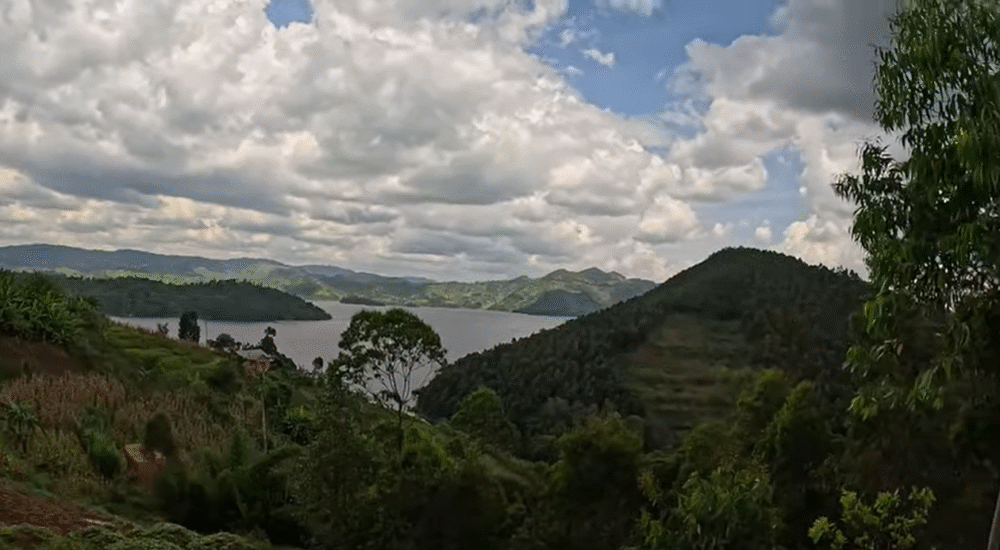
Exploring Rwanda’s Hidden Gems: A Guide to the Twin Lakes of Ruhondo and Burera Rwanda,…
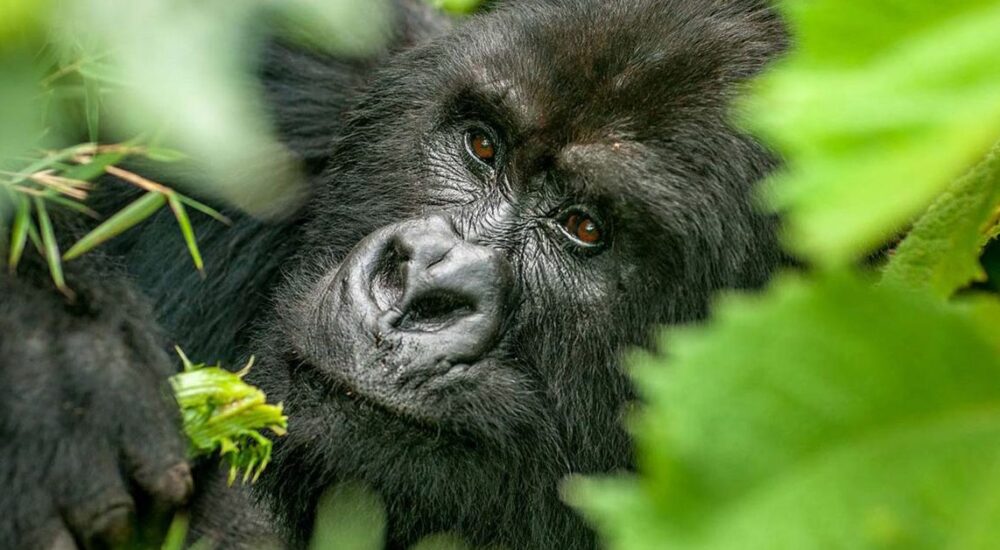
Mgahinga Gorilla National Park
Mgahinga Gorilla National Park – A Complete Guide
Mgahinga Gorilla National Park covers an area of 34 square kilometres. Its name comes from the Kinyarwanda word “Gahinga,” which means small lava stones, commonly found in the area surrounding the park.
The park is characterised by a mix of montane woodland, bamboo forests, and montane forest. It is the only place in Uganda where golden monkeys live. In addition, Mgahinga is home to one habituated gorilla family called Nyakagezi. Occasionally, this group is joined by the Hirwa gorilla family from Rwanda.
Mgahinga Gorilla National Park holds great biological importance. During the climatic changes of the Pleistocene ice ages, the Virunga Mountains, where the park is located, acted as a refuge for mountain plants and animals that moved up and down the slopes depending on the weather conditions.
Mgahinga also plays a key role as a water catchment area. It contains rivers such as Ntebeko, Kabaranyuma, and Nyabirerema, which are crucial to the surrounding Bafumbira, Batwa, and Bakiga communities, providing water in a region where it is often hard to access.
The park is incredibly scenic and diverse, featuring a wide range of vegetation including woodland, tropical forests, swamps, bamboo, and semi-alpine zones. Notable features include Mount Gahinga, Mount Muhavura, and Mount Sabyinyo—part of the greater Virunga Mountain Range. Other mountains in the range include Mount Bisoke and Mount Karisimbi in Rwanda, and the active Nyiragongo Volcano in the Democratic Republic of the Congo.
Activities in Mgahinga Gorilla National Park
One of the main advantages of visiting Mgahinga is that it receives fewer tourists, allowing for a more private experience. Visitors can enjoy various activities including gorilla trekking, golden monkey trekking, mountain climbing, bird watching, nature walks, and cultural visits.
Gorilla Trekking
Gorilla trekking is the main attraction. Treks begin at 8:00 AM and can take between 1 to 7 hours depending on the gorilla movements. Once the gorillas are located, visitors spend one hour observing them. The Nyakagezi family, which is habituated for tourism, has eight members including a newborn named Rukundo. The family is led by a silverback called Bugingo. Gorillas often move between Uganda and Rwanda.
In 2019, the Hirwa gorilla group from Rwanda crossed into Uganda in search of food. Due to the low number of gorillas and abundance of fruits in Mgahinga, the group stayed temporarily.
If gorillas have crossed into Rwanda at the time of your trek, the Uganda Wildlife Authority may refund your gorilla permit or offer an alternative trek in nearby Bwindi Impenetrable Forest.
Best Time for Gorilla Trekking:
The dry months from June to August and December to January are the best times to trek, as trails are dry and gorillas tend to stay at lower elevations.
Golden Monkey Trekking
Mgahinga is the only park in Uganda where golden monkeys can be tracked. These monkeys live in the bamboo zones of the Virunga Volcanoes and are easily identified by their bright golden-orange fur. Treks start at 6:30 AM when the monkeys are most active.
-
Golden Monkey Trekking Permit: $60 per person
-
Golden Monkey Habituation Experience: $100 per person
The habituation activity allows tourists to accompany researchers and veterinarians who are helping the monkeys get used to human presence.
Mountain Climbing
Hiking is a popular activity in Mgahinga. The park offers three main volcano hikes:
-
Mount Gahinga (3,474 m)
-
Mount Muhavura (4,127 m)
-
Mount Sabyinyo (3,669 m)
Mount Sabyinyo is a popular choice because it allows hikers to stand at the point where Uganda, Rwanda, and the Democratic Republic of the Congo meet. Mount Muhavura is the most challenging, taking up to 9 hours to complete, and hikers are advised to prepare for high-altitude conditions.
-
Hiking Fees: From $80 per person
Some hikers may choose to camp overnight at the peak, which could result in additional costs.
Bird Watching
Mgahinga is home to a rich variety of birds including:
-
Regal Sunbird
-
Rwenzori Turaco
-
White-naped Raven
-
Malachite Sunbird
-
Handsome Francolin
-
Kivu Ground Thrush
-
Pin-tailed Whydah
-
And many more, including Rift Valley endemics
Best time for birdwatching: April–May and October–November.
Nature Walks and Cultural Experiences
Nature walks take place around the base of the volcanic mountains, offering views of wild vegetation, bamboo forests, Rugezi Swamp, and Garama Caves. Hikers enjoy views of Lake Mutanda and can spot birds along the way.
Cultural visits to nearby Batwa communities are also available. The Batwa are indigenous people who once lived in the forests of Mgahinga. Visitors can learn about their traditional ways of life, including how they hunt, cook, dance, and build homes.
Best Time to Visit Mgahinga Gorilla National Park
The best time to visit Mgahinga is during the dry seasons:
-
Long dry season: June to August
-
Short dry season: January to February
These months are ideal due to fewer bugs, easier hiking conditions, and increased wildlife sightings. Daytime temperatures range from 22°C to 24°C, while nighttime temperatures drop to between 10°C and 12°C. Gorilla trekking is available all year round, but gorillas stay at lower altitudes during the wet season, making them easier to find.
How to Get to Mgahinga Gorilla National Park
By Road (From Uganda)
From Kampala or Entebbe to Kisoro, the journey covers about 509 km and takes around 9 hours. A 4×4 vehicle is recommended for the final stretch from Kisoro to the park gate due to rough terrain. The route is scenic, passing the Equator and rural landscapes.
By Road (From Rwanda)
From Kigali, Rwanda’s capital, travel to the Cyanika border takes about 4 hours. Gorilla permits in Uganda cost $700, compared to $1,500 in Rwanda, making it a more affordable option.
By Air
Daily scheduled domestic flights from Entebbe to Kisoro are available and take about 1.5 hours.
Accommodation Options
Mount Gahinga Lodge
This is a luxury lodge near the park gate. It was built by Praveen Moman and opened in 2002. The lodge is inspired by the traditional architecture of the Bakiga people and offers deluxe bandas with luxury amenities, including fireplaces and private porches.
Chameleon Hill Lodge
Located on the shores of Lake Mutanda, this colourful lodge offers individually designed rooms with panoramic lake and volcano views. It provides early morning tea or coffee delivered to your veranda.
Lake Mutanda Resort
Situated on a peninsula on Lake Mutanda, this lodge offers stunning views of the Virunga Mountains. It is ideal for gorilla trekking, birdwatching, or simply relaxing by the lake.
Amajambere Iwacu Community Camp
Established in 1994 by local families displaced by the formation of the park, this community-run campsite offers budget accommodation. It supports conservation by creating income for local residents through tourism. The project was supported by donors from Sweden and USAID.
Plan your trip, here
Related Posts