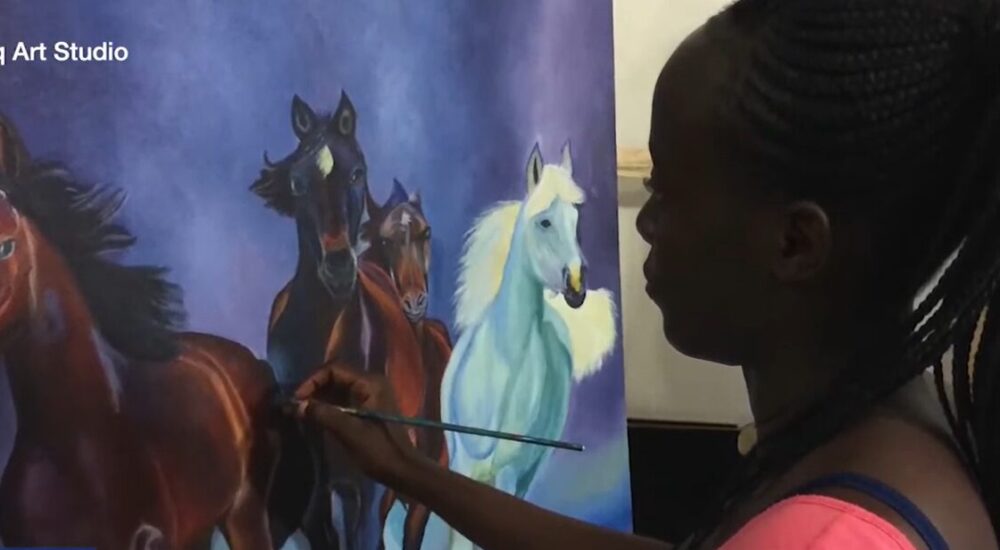
Imbalu Circumcision Ceremony: A Cultural Rite of Passage in Uganda The Imbalu Circumcision Ceremony is…
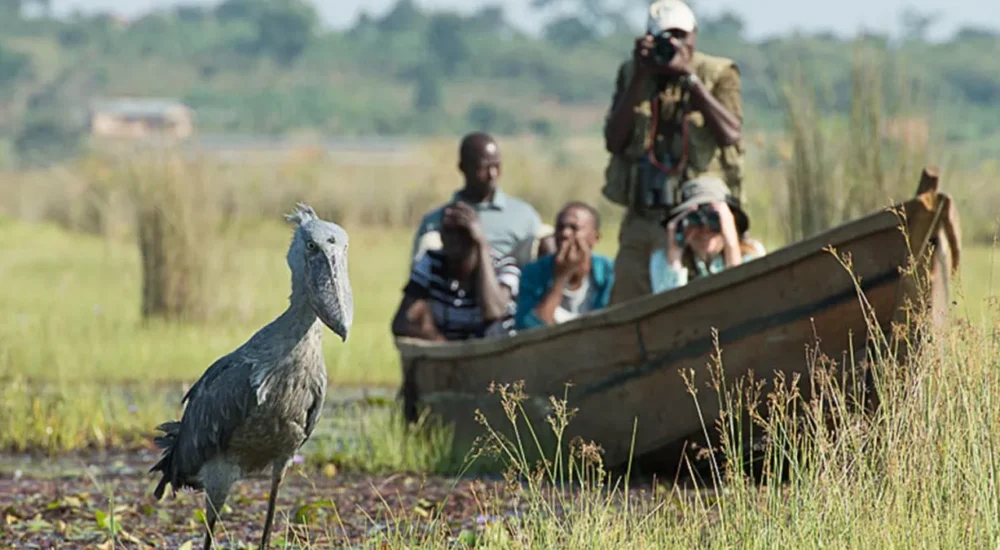
Shoebill Trekking Tour in Mabamba Swamp.
Shoebill Trekking Tour in Mabamba Swamp.
Mabamba Wetland is renowned for its Shoebill, Uganda’s most sought-after bird among birdwatchers. Its unusual appearance and large size also attract non-birdwatching tourists. The Shoebill is found in only a few areas in Uganda, and Mabamba Swamp is one of the most accessible and reliable locations with the highest chances of spotting the bird, if not in Uganda, then in Africa. Mabamba Swamp is home to lungfish, locally known as “mamba,” which is a preferred food of the Shoebill. However, lungfish is also a target for local fishermen, leading to conflicts with the bird.
Historically, the Shoebill was threatened by fishermen who saw its presence as a bad omen. The fishermen killed the Shoebills, which led to a decline in their population. However, following the designation of Mabamba as a Ramsar Reserve in 2006, the Shoebill received protection. Over time, bird observation activities have helped educate the local community, including the fishermen. Many fishermen now benefit from renting their boats to birdwatchers and have even learned about birding and guiding. They now actively protect the Shoebill, ensuring that they do not harm the bird when they encounter it while fishing. There are approximately 12 Shoebills in Mabamba Wetland.
Shoebill Facts
Mabamba Swamp in Uganda is a key location for viewing the prehistoric and rare Shoebill Stork. The Shoebill can grow up to 150cm in height, with a wingspan between 230cm and 260cm. It weighs about 14 pounds and has a large, shoe-like bill. The Shoebill feeds on various types of fish, frogs, lizards, baby crocodiles, and even rodents. It is often observed floating on plants or standing still in the water, waiting for food.
The female Shoebill lays one to three eggs, and both parents share incubation duties. Once the chicks hatch, the mother feeds them until they are able to hunt on their own. At three months old, the chicks begin to fly, and they mature after three to four years.
Shoebill Trekking Tour in Mabamba Swamp: How it Works
Shoebill trekking tours in Mabamba Swamp are conducted via motorized wooden canoes or boats. Local boatmen are happy to guide tourists to the Shoebill’s preferred habitats. The best time to spot the Shoebill is in the morning when it is hunting for fish. The Shoebill stalks its prey by standing still for long periods, sometimes for hours, waiting for fish to cross its path.
Later in the day, as it becomes warmer, the Shoebill rests by sitting among the grass, making it harder to spot. It may also soar high in the sky to cool down. If the Shoebill is not easily found, local fishermen may provide tips on where it has been spotted.
After observing the Shoebill, visitors can continue their birding experience by exploring the marsh’s canals and the surrounding areas. Other bird species, such as the Purple Swamphen, African Marsh Harrier, and Malachite Kingfisher, can be seen. A walk along a path that runs alongside the marsh offers the opportunity to observe other species like the Rufous-napped Lark, Sooty Chat, and Grassland Pipit.
Best Time to See the Shoebill
The best time to spot the Shoebill in Mabamba Swamp is in the early morning, around 7 a.m., when there is less activity on the wetland. During this time, the Shoebill is actively hunting for food. Birding in Mabamba Swamp is most rewarding between September and March, as this is when migratory bird species from Europe can also be seen.
How to Get to Mabamba Swamp
Mabamba Swamp is located in Kasanje, Kamengo, and Mpigi sub-counties and can be reached from Kampala or Entebbe. If driving from Kampala, take the Masaka road for approximately 30 kilometers to Mpigi, then turn left onto Buyege road and continue for another 20 kilometers to reach Mabamba Bay. The total journey takes about an hour.
Alternatively, when traveling by boat from Entebbe, you will pass through Nakiwogo landing site, take a ferry to Kasanje landing site, and then drive for about 20 minutes to reach the swamp.
Birding in Mabamba Swamp
Birding is the main activity in Mabamba Swamp, which is home to over 300 bird species. The swamp is a prime birding location due to its unique and migratory species. Birding tours are conducted from motorized wooden boats with a guide who helps identify various species.
Birdwatching in the swamp provides opportunities to spot birds such as the Shoebill Stork, Black-crowned Night Heron, Great Blue Turaco, and Malachite Kingfisher. Other species like the African Fish Eagle and the Great White Pelican can also be observed during the boat rides.
Additional Bird Species Found in Mabamba Swamp
In addition to the Shoebill, visitors to Mabamba Swamp can spot numerous other bird species, including the African Green Pigeon, African Jacana, African Pigmy Goose, Black Crake, Black-headed Heron, Little Egret, and Pied Kingfisher, among many others.
Birding Around Mabamba Swamp
Before embarking on the boat tour, the Mabamba landing site itself offers excellent birdwatching opportunities. The tall trees and shrubs around the landing area are home to birds such as the Superb Sunbird and Red-chested Sunbird. The surrounding area is also rich in other species, including the Yellow-breasted Apalis and Swamp Flycatcher.
Nkima Forest Birding
Nkima Forest, located 2 kilometers from the Mabamba landing site, offers a woodland birding experience. It is a great addition to your birding tour in Mabamba Swamp. Nkima Forest is home to species like the White-tailed Flufftail, Western Nicator, and Red-capped Robin Chat. The forest is also inhabited by various animals, including monkeys and squirrels.
Other Shoebill Trekking Sites in Uganda
Makanaga Swamp Bay
Makanaga Swamp Bay is another excellent location for Shoebill trekking in Uganda. Located on Lake Victoria, it can be reached by canoe from Kampala or Entebbe. A local guide accompanies visitors, sharing insights on the area’s history and helping spot various bird species, including the Shoebill.
Semuliki National Park
Semuliki National Park, located in Southwestern Uganda, is known for its diverse birdlife, with over 400 species. The park is home to the Shoebill Stork, and birders have a good chance of spotting it. The park is also home to endemic Albertine species such as the Black Dwarf Hornbill and Blue-billed Malimbe.
Murchison Falls National Park – Lake Albert Delta
The Lake Albert Delta in Murchison Falls National Park is another spot to see the Shoebill. The best time for sightings is from January to March. Visitors can explore the delta on boat safaris or nature walks.
Lugogo Swamp in Nakasongola
Lugogo Swamp, near the Zziwa Rhino Sanctuary, is another good location to observe the Shoebill. Visitors typically enjoy a canoe ride across the swamp with local guides to spot the bird and other species.
Lake Mburo National Park
Lake Mburo National Park is a popular destination for birdwatchers, with the Shoebill occasionally spotted during boat safaris.
Lwera and Kyabakuza Swamps
Lwera and Kyabakuza Swamps, located along routes to various national parks, may offer sightings of the Shoebill.
Ishasha Sector in Queen Elizabeth National Park
In the Ishasha Sector of Queen Elizabeth National Park, Shoebills can be seen in the wetland near Lake Edward. This area is also famous for tree-climbing lions.
Plan your trip, here
Related Posts