10 Best-value Luxury Uganda Safari Lodges & Camps. One of Africa's most overlooked safari locations…
Cultural Tours in Rwanda
Cultural Tours in Rwanda
In addition to being a top destination in East Africa for luxury gorilla trekking, Rwanda also offers enriching cultural tours. The country is known for its scenic landscapes, wildlife, hiking trails, and mountain gorillas, but it is also home to a unique and captivating cultural heritage.
Rwanda’s culture is less diverse than that of neighboring countries like Uganda and the Democratic Republic of the Congo. However, it remains distinctive and well worth exploring. Rwanda is home to three ethnic groups: the Tutsi, originally pastoralists; the Hutu, primarily cultivators; and the Twa, also known as pygmies, who were traditionally hunter-gatherers.
Before the 1994 Genocide, colonial governments deepened divisions between these groups based on physical appearance, traditions, and social roles. This manipulation contributed to the tragic Genocide. However, these groups share many similarities, and over time, cultural values and traditions have been passed down through storytelling, ceremonies, languages, attire, and ancient kingdoms—though these kingdoms no longer exist.
Today, Western influences and intermarriage have led to a more modern, blended way of life in Rwanda. Despite these changes, the Rwandan government, along with private organizations and individuals, has worked hard to preserve the country’s cultural heritage. Cultural tours allow visitors to experience Rwanda’s traditions by visiting historical sites, museums, and villages, and by engaging directly with local communities.
Top Cultural Attractions in Rwanda
1. Kigali Genocide Memorial
The Kigali Genocide Memorial is the most visited historical and cultural site in Rwanda. It honors the memory of the victims of the 1994 Genocide. Located in Gisozi, just 10 minutes from the city center, the site was opened in 2004. It is the final resting place of over 250,000 victims.
The memorial includes three main sections: one dedicated to the children who died during the genocide, another for adults, and a third that highlights genocides around the world. Visitors will find powerful exhibits that include photographs, personal belongings, and testimonies. Outside the main structure, there is a peaceful park and mass graves where visitors and survivors can reflect and pay their respects. The memorial is managed by AEGIS, a UK-based NGO committed to preventing future genocides.
2. Iby’iwacu Cultural Village
Located near Volcanoes National Park, this cultural village is a popular stop for tourists on gorilla trekking safaris. The village was founded by a former park warden to provide jobs for reformed poachers and to promote Rwandan culture.
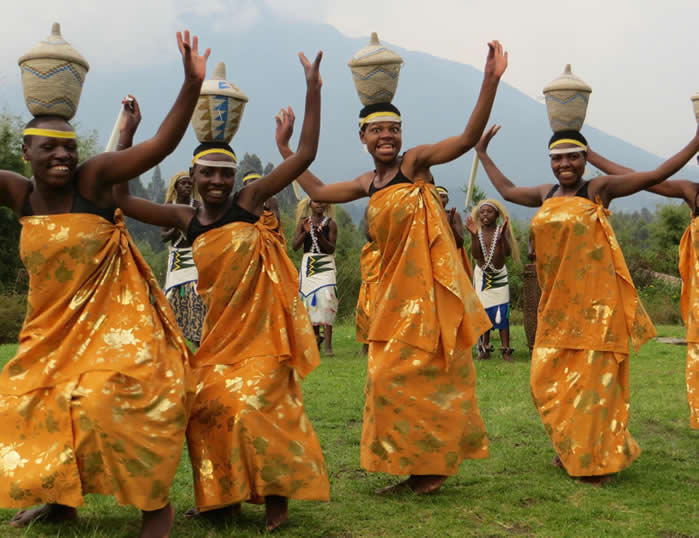
Visitors can engage in daily activities such as learning to cook traditional food, listening to folklore, grinding millet on stones, and dressing in traditional royal attire. The village offers an immersive experience of Kinyarwanda heritage, including dance, music, and storytelling. Guests are traditionally welcomed with drumming and singing.
3. Rwandan Cultural Festivals
Rwanda hosts various festivals that reflect the country’s strong cultural identity:
-
Umuganda: Held on the last Saturday of every month, this national day of community service involves all citizens—including tourists—in cleaning and beautifying public areas.
-
Kwita Izina: This annual ceremony takes place in Volcanoes National Park and involves naming newborn mountain gorillas. The event draws conservationists, celebrities, and government officials.
-
Ukwibuka: This is a national remembrance event held in April to honor those lost in the 1994 Genocide. Memorial activities take place in Rwanda and globally through its embassies.
Other events include the Rwanda Fashion Week, Rwanda Cultural Fashion Week, and the Kigali Film Festival.
4. Bugesera Reconciliation Village
This village was established to promote peace and healing after the genocide. It provides a space for survivors and perpetrators to meet, forgive, and reconcile. Tourists can visit to learn about Rwanda’s journey toward unity and hear firsthand accounts from survivors.
5. Ethnographic Museum
Located in Butare (now Huye), this museum is one of the finest ethnographic museums in Africa. It was a gift from King Baudouin of Belgium and is currently managed by the Institute of National Museums of Rwanda.
The museum features seven galleries showcasing traditional Rwandan life—farming tools, pottery, clothing, and artifacts related to customs, beliefs, and social practices. Visitors gain insights into Rwanda’s rich cultural and historical background.
6. The King’s Palace in Nyanza
Situated in Nyanza town, the former royal capital of Rwanda, this reconstructed palace offers a glimpse into the life of Rwandan monarchs before the kingdom was dissolved. Visitors can see the traditional thatched royal house, royal brewer’s hut, and the palace milk house.
One of the key attractions is the royal Inyambo cattle, known for their elegant long horns. These cattle were a symbol of wealth and pride for Rwandan kings.
7. Kitabi Cultural Center
This center is located at the entrance of Nyungwe Forest National Park, making it a convenient stop for tourists on chimpanzee trekking tours. Originally built by Rwanda’s last king, the center showcases traditional huts, herbal medicine practices, local cuisine, and traditional ceremonies.
Visitors are welcomed by guards in traditional dress and guided through the village to learn about royal life and Rwandan traditions.
8. Banda Cultural Village
Banda Village lies within Nyungwe Forest National Park, near the Uwinka Visitor Center. It is not only ideal for chimpanzee trekking and canopy walks, but also offers meaningful cultural experiences.
Guests can interact with villagers, visit homes, enjoy traditional meals, and watch performances by the Intore dancers—one of the highlights of any cultural tour in Rwanda.
For an enriching and meaningful travel experience, Monumental Expeditions and Safaris offers guided cultural tours across Rwanda. These tours connect travelers with local traditions, provide historical context, and promote appreciation for Rwanda’s heritage and resilience.
Related Posts