Affordable African Safaris for Budget Travelers 2026 An African safari is often considered a luxury…
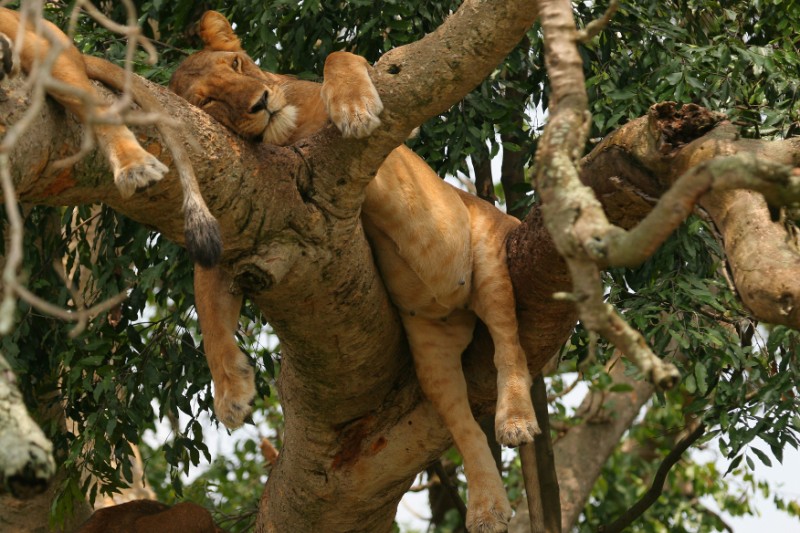
Tree Climbing Lions in Ishasha
The Tree-Climbing Lions of Ishasha, Queen Elizabeth National Park
Apart from the famous tree-climbing lions in Queen Elizabeth National Park, similar lions can also be seen in Lake Manyara National Park in northern Tanzania. However, the Tree-Climbing Lions of Ishasha, located in the southern sector of Queen Elizabeth National Park, are particularly renowned for their unique behavior of resting on fig tree branches. Researchers have spent years studying these lions, trying to understand why they climb trees, and have come up with several explanations.
Why Do Lions Climb Trees in Ishasha?
The Tree-Climbing Lions of Ishasha are known to climb trees for a variety of reasons, ranging from avoiding bothersome insects to gaining a better view of their surroundings. Below are the main reasons why these lions have mastered the art of climbing trees.
-
Avoiding Insects The African savanna is home to a variety of insects, such as tsetse flies, which can be irritating to animals. Lions, like other creatures, are often bothered by these pests. The Tree-Climbing Lions of Ishasha have learned to climb up the African fig trees to escape the biting insects that plague them on the ground.
-
Seeking a Refreshing Breeze During the hot season, the temperatures in the African savanna can rise above 30°C, making the ground unbearably hot for lions. Climbing trees provides these lions with a cooler environment and a refreshing breeze, allowing them to rest more comfortably.
-
Improved Visibility Lions use the trees to gain a better vantage point, especially when the tall grass obstructs their view. By climbing trees, they can spot potential prey or keep an eye on their surroundings for safety.
The lions in Ishasha are particularly fond of the wide branches of candelabrum trees, including sycamore fig trees and acacia trees. These trees offer a comfortable resting place and shelter from the sun, making them ideal for the lions to climb and relax.
The Unique Appeal of Ishasha’s Tree-Climbing Lions
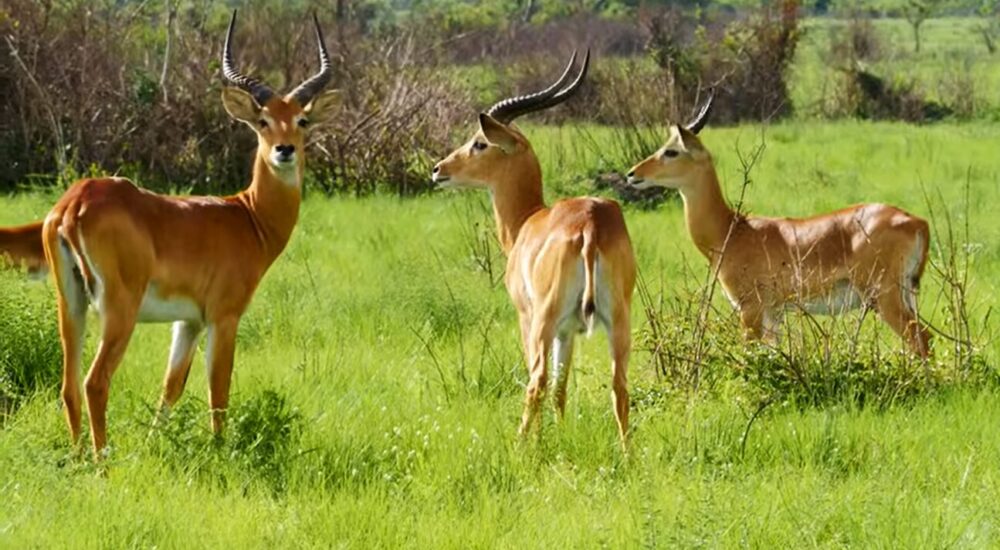
Queen Elizabeth National Park is renowned for its abundant wildlife, including Ugandan kobs, antelopes, warthogs, chimpanzees in Kyambura Gorge, and various other species. The chance to observe the Tree-Climbing Lions of Ishasha is one of the most unforgettable experiences on a safari. Whether watching them lazily rest in the tree branches or hunt for prey, it is an experience that will stay with you for a lifetime. The sycamore fig trees are particularly beneficial for the lions, as they provide shelter during both the rainy season and the hot summer months.
When Is the Best Time to Spot the Tree-Climbing Lions of Ishasha?
Queen Elizabeth National Park experiences two rainy seasons and two dry seasons throughout the year. The best time to spot the Tree-Climbing Lions of Ishasha is generally between June to August and December to February, when the weather is dry, and there is less chance of rain. However, weather conditions can be unpredictable, so it’s important to keep this in mind when planning your safari.
Temperatures in Queen Elizabeth National Park remain consistently warm, ranging from 28°C (82°F) to 30°C (86°F) during the day, and dropping to between 16°C (60°F) and 17°C (62°F) at night.
How to Get to the Tree-Climbing Lions of Ishasha
Queen Elizabeth National Park is located 399 km west of Kampala and about 420 km from Entebbe Airport, Uganda’s main entry point. The park is accessible by private or public transport. You can rent a car and drive to the park.
From Kampala, there are two main routes to the park: the Kampala-Mubende-Fort Portal road or the Kampala-Masaka-Mbarara road. From Rwanda, you can access the park via the Ntungamo-Kasese road, and from the Democratic Republic of Congo, you can take the Fort Portal-Mpondwe road. However, there is a road from Ishasha leading to Congo, but it is not recommended due to safety concerns.
You can also reach Queen Elizabeth National Park by air, with flights from Kajjansi Airfield and Entebbe Airport to Kasese, which is nearby. From there, you can drive 75 km to Ishasha. Alternatively, you can take a local light aircraft to Kihihi town and then drive to Ishasha.
Airlines such as Bar Aviation and Aero Link operate daily scheduled flights to Kihihi Airstrip from Entebbe Airport or Kajjansi Airfield. However, keep in mind that local flights in Uganda can be quite expensive, with round trips costing around $420. For a more affordable and enjoyable option, renting a car and camping gear is a great way to travel to the Tree-Climbing Lions of Ishasha.
Where to Stay in Ishasha
Enjojo Lodge
Enjojo Lodge is located on the southern border of Queen Elizabeth National Park in Ishasha. The lodge is home to a variety of bird species, and you can take a guided nature walk around the property. The cottages offer a comfortable base for exploring the area. There are three thatched cottages and a safari house that can accommodate up to 16 guests. The lodge also offers stunning views, with the opportunity to enjoy a sundowner drink as the sun sets.
Ishasha Wilderness Camp
Situated on the banks of the Ntungwe River, Ishasha Wilderness Camp offers a tranquil escape in the heart of the African bush. The camp is located in the remote sector of Queen Elizabeth National Park and provides luxury tents with excellent service. Guests can enjoy watching elephants bathing in the river and observe Black-and-White Colobus and Vervet monkeys in the area.
Topi Lodge
Topi Lodge offers beautiful views and affordable accommodation in private cottages. The lodge’s traditional-style cottages are built with thatched roofs and provide a cozy atmosphere. Each room is self-contained with spacious bathrooms and mosquito nets on the beds. The restaurant at Topi Lodge offers delicious meals with a stunning view of the tree-climbing lions of Ishasha.
Plan your trip, here
Related Posts