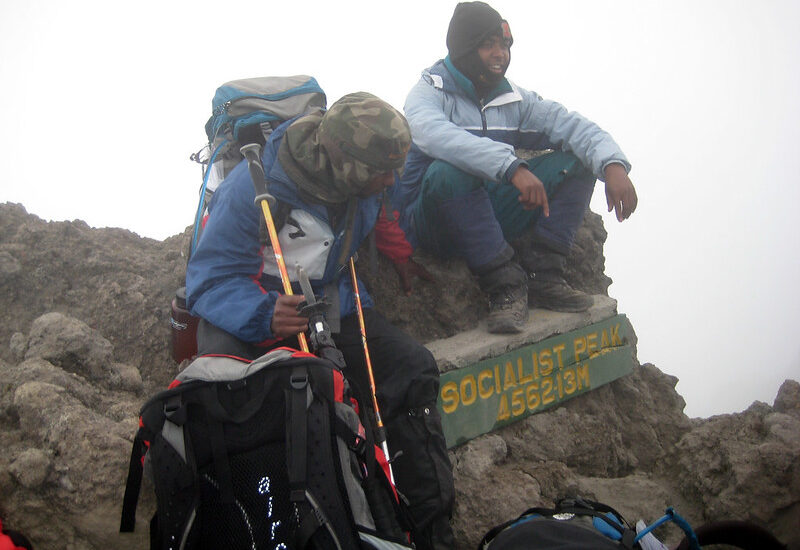
8 Days classic Safari to Tanzania, Tanzania for 8 days on a standard safari: Imagine…
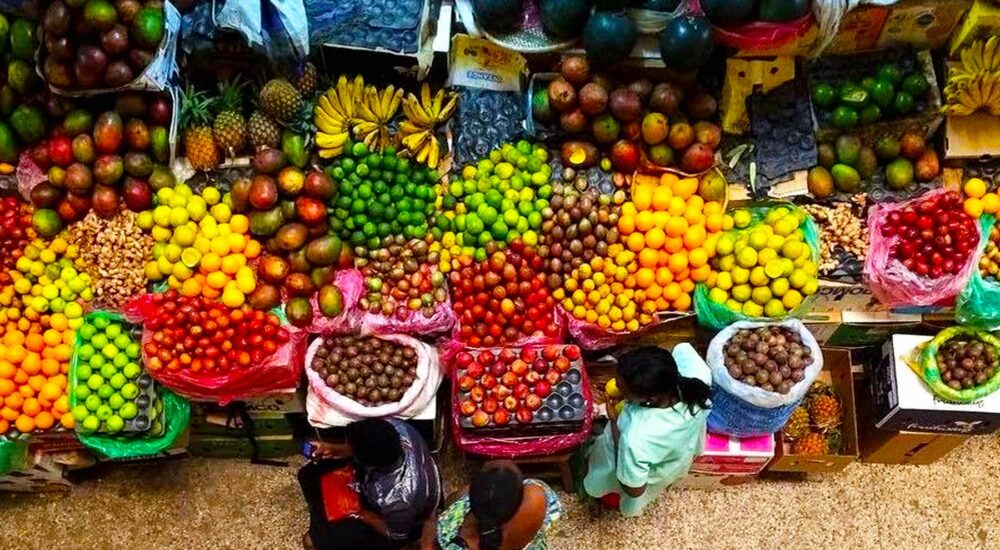
Kimironko Market Tour
Kimironko Market Tour, East Africa as a whole is known for its busy, bright, and one-of-a-kind markets. The busiest market in Kigali is Kimironko Market, which is in the Kimironko area. It’s more like the famous Owino Market in Kampala, Uganda. People from all over the city come here to buy fruit and veggies, fabric, clothes, shoes, and other things they need for their homes. People from all over Kigali come here to buy food, clothes, shoes, fabric, and other things they need around the house.
People from all over the city come to buy fruit, veggies, fabric, clothes, shoes, and other things they need for their homes. Vendors sell goods from Rwanda, Uganda, Kenya, and the Democratic Republic of the Congo. This is the best spot to see Rwanda at its most lively.
Kimironko Market is in a huge warehouse complex with four openings that are all the same size. The official entrance to the market, where household items and plastic buckets of different shapes and sizes are sold, is with your back to the Kimironko bus stop. Colorful kinteges fabric is sold through the right door of the market. Meat and lake fish are sold by butchers and fishermen through the left entrance. The extra entrance goes straight to the market where there are seamstresses and used clothes.
The Kimironko Market in Kigali is busy in the early afternoon, when new sellers have just arrived and are setting up their goods for sale. Mondays and Saturdays are usually the busy days of the week. Sundays are usually slow because many businesses are closed that day.
It is easy to get to and from the Kimironko bus stop because it connects to many of Kigali’s main public transportation hubs. Buses come from all over the city to bring eager shoppers to the market. Regular and motorcycle cabs wait for shoppers who are too tired to walk home on their own.
As soon as you walk through the main market gates and face the bus park, turn right. This will take you to the faraway market walls. There, people from all over Africa sell rows and rows of bright kinteges cloth on stands. There are people from Sierra Leone, Nigeria, the Republic of the Congo, Tanzania, the Democratic Republic of the Congo, and a few other countries.
People who sell this fabric will probably tell you about a seamstress on the edge of Kinteges if you buy some. These skilled tailors are always present and ready to make customized clothes or accessories quickly and at a low cost. Remember that prices change all over the market, and if you want to get the best deals, be patient, calm, and steady while you haggle.
There are Kitenge sellers and seamstresses in the far left corner of the market. Draw a straight line from them to that corner. Before the market opens up into a huge bazaar of fresh food, the narrow lanes are full of used clothes, tourist goods, shoes, and a real hardware shop.
In black booths, mountains of potatoes, still covered in dirt, are piled high. Shopping is an art when you pack your peppers, tomatoes, zucchini, eggplant, and carrots just right. There are small bananas, sour passion fruit, tree tomatoes, and juicy mangoes on the other end of the complex. In the middle are avocados the size of your hand. Toys and fruits from Uganda are brought in by truck, and the halls are lined with big green plantains that are still on the branch.
At the front of the market, near the bus stop, neat piles of oil, spices, garlic, and fresh ginger are for sale. On the left, there is an area for eggs. The nice woman who sells eggs has been doing her job for a long time. Eggs come from all over the city and the surrounding areas. The price of an egg depends on where the bird was caught and how big it is.
Then there is the beef part. You can see across the street that the left side of the front wall is lined with stacks of fresh green veggies, frozen fish, and dried tilapia. A butcher wears a white doctor’s gown and holds a knife with power. If you get tired of walking through the small aisles and crowded market halls, go outside and grab a quick samosa, chapatti, and a cool drink at one of the nearby restaurants.
The market is pretty big, but it’s easy to get around because the things for sale are clearly grouped by type and, by extension, place. With so many sights, sounds, and smells, Kimironko Market is definitely overwhelming, but you have to see it if you’re in Kigali.
Related Posts