Uganda Filming and Photography
Ugandan photography and filming. Are you a local, regional, or global media outlet, advertising agency, brand, or production firm seeking a shooting crew and production support for photography or filming in Uganda? For reliable and skilled directors, fixers, producers, videographers, entire shooting crews, drone pilots, directors of photography, photographers, and other specialized filmmaking project requirements in Uganda, get in touch with us.
Ugandan filming
Known as “The Pearl of Africa,” Uganda is one of the best places in Africa to film. Depending on the requirements of your project, Uganda offers a variety of filming settings, including hospitals, cities and towns, historical monuments, rivers, woods, local culture, mountains, waterfalls, and mountain gorillas. Notes on Uganda filming permits and requirements, what each member of the film crew needs to know, Ugandan film locations, when to shoot, costs and tax incentives, distinct local stories, crew and talent, filming equipment, visas and work permits for filming in Uganda, transportation, lodging, and safety advice are included below.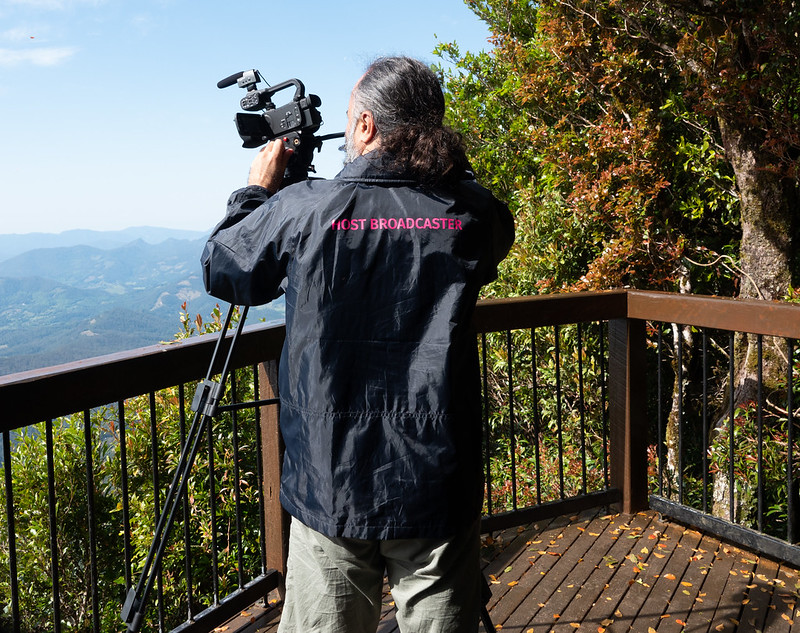
Ugandan Filming Locations
The Pearl of Africa is Uganda. Despite its tiny size, Uganda is home to more than 1000 bird species, Africa’s most diversified ranges, landscapes, fauna, and biodiversity, and 50% of the continent’s surviving mountain gorillas. Uganda is therefore among Africa’s top filmmaking destinations. Rivers, lakes, savannas, mountains, jungles, waterfalls, hospitals, and traditional communities are just a few of the places in Uganda where movies are filmed.
Films such as The Last King of Scotland (2006), Queen of Katwe (2016), Congo (1995), and The African Queen (1951) have all been filmed in Uganda.
Film Location Permits in Uganda
With enough time, money, and the correct strategy, most venues in Uganda may obtain location permissions. For location-specific information, please get in touch with Monumental Expeditions and Safaris. When filming on location, all visiting crew members can be asked to show their press accreditation, thus we recommend obtaining this before beginning the production.
Ugandan Work Permits and Visas
for you to visit Uganda for photography and filming. Every member of the visiting crew must have press accreditation from Uganda. Processing takes two to three days after the necessary visitor documentation has been provided. Accreditation for the press is good for 30 days. In order to film anywhere in Uganda, clear their gear through customs, and enter the country, visitors must acquire this authorization. All members of the visiting team can have this arranged by our fixer. Each press accreditation costs $175 USD.
For filming and photography in Uganda, we require the following from every crew member:
1. A cover letter explaining the reason for your visit to Uganda, headed and sent to the Uganda Media Council.
2. Scanned copies of each crew member’s passport.
2. Each crew member’s passport-sized photo was scanned.
4. A press accreditation charge of $175 per crew member.
5. Completed form G. To proceed with obtaining the Uganda filming permit, we will provide you with this form to complete.
All citizens need to have a visa. You can apply for them at the embassy that is closest to you, online using the e-Visa system, or when you arrive at the Entebbe airport. You and your crew can receive an invitation letter from our local team. The cost of the tourist visa is $50.
In order to facilitate travel between Kenya, Tanzania, and Uganda, re-entry fees for visas are waived.
In a similar vein, multiple entry travel between Uganda, Kenya, and Rwanda is possible with an East Africa visa. It’s crucial to keep in mind that you need to always carry your yellow fever vaccination cards.
Accreditation of Press
According to the law, every member of the film crew must hold accreditation from the Uganda Media Council for Filming and Photography in Uganda. Each crew member will receive a media card after this procedure is finished, which costs USD 175.00 for 30 days of filming and USD 225.00 for up to 60 days. Every crew member must complete Form G (which we typically email you), scan it, and return it to us along with a copy of their passport and one photo to be placed on their media card.
In addition, we will require a letter from the filming business describing the crew members involved in the shot, their identity, the reason for the shoot, and the location. We’ll send this letter together with all the information you’ve provided to the Uganda Media Council so they can process your media card. The turnaround time for these media cards is two to three working days.
When Should I Shoot in Uganda?
Except for the arid savanna region in the extreme north, Uganda has a moist, tropical climate. December to February is when Uganda experiences its first dry season. March through May is when the first wet season occurs. June through August is the second dry season, and September through November is the second wet season.
The optimum times to film for weather and Great Ape tracking are during the dry seasons. When animals gather near water sources at the end of the dry seasons, it’s ideal to shoot big game creatures.
As a predominantly Christian nation, Uganda observes those holidays. Costs, availability, and timing may all be impacted by public holidays. The dates of Uganda’s public holidays are listed here.
Filming with Monumental Expeditions and Safaris in Uganda You capture more and shoot smarter.
Our goal at Monumental Expeditions and Safaris is to produce unforgettable and influential photography and film in Uganda, starting as soon as you land in Africa. On all of our trips in Africa, you will have the option to participate in activities that are primarily life-changing and provide hope to the communities while also conserving for future generations. These activities include planting trees, volunteering, and packing for a purpose, among others. Our goal is to change the way that people typically travel through Africa.
Your adventure safari is expertly organized and run, from our airport meet and greet and welcome services to our individual and group transfers to safari spots. We are really concerned about protecting the environment, thus we try to avoid packing non-recyclable products wherever feasible and bring reusable items like water bottles, among other crucial environmental protection measures.