Mountain Hiking and Trekking in East Africa Mountain hiking and trekking in East Africa offer…
5 Fascinating Facts About the Leopard (Panthera Pardus)
5 Fascinating Facts About the Leopard (Panthera pardus)
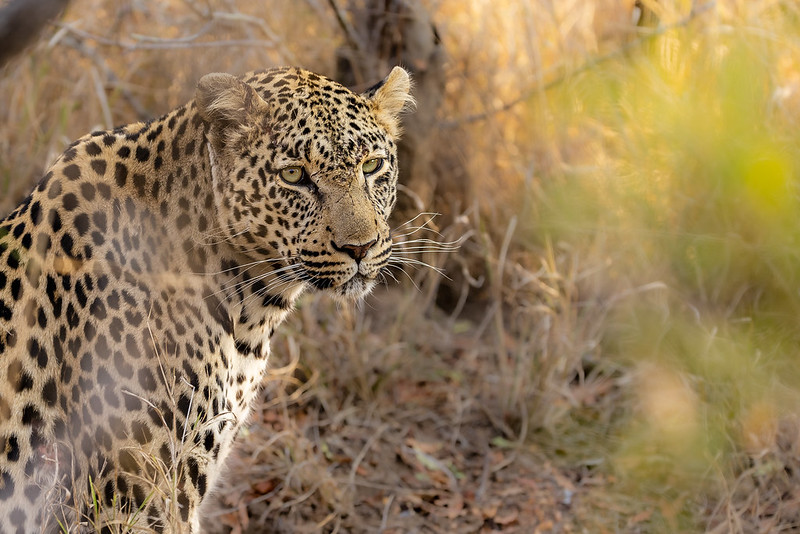
The leopard (Panthera pardus) is one of Africa’s most captivating and elusive big cats. Known for its remarkable strength, stealth, and adaptability, this solitary predator has earned a place among the iconic Big Five of Africa. While the lion claims the title of Africa’s largest big cat, the leopard’s agility, intelligence, and ability to survive in a wide range of habitats make it equally remarkable. In this article, we explore five fascinating facts about leopards, their behavior, and their incredible survival strategies.
1. Leopards Are Incredibly Adaptable Hunters
Leopards are found across a vast range of habitats in Africa and Asia, from dense tropical rainforests to arid semi-deserts, and even in human-dominated landscapes like the outskirts of Nairobi or Mumbai. This extraordinary adaptability makes them the most widespread of all big cat species. Scientists have identified nine subspecies of leopards, each uniquely suited to its environment.
These predators are opportunistic hunters, capable of taking prey ranging from frogs and rodents to full-grown wildebeest. Their stealth and camouflage allow them to stalk prey silently, often attacking from behind or above. This makes them particularly effective hunters even in areas where larger predators such as lions and hyenas are present.
A hallmark of leopard hunting behavior is their ability to drag prey into trees. This skill protects their catch from scavengers, allowing the leopard to feed at leisure over several days. Remarkably, leopards have been observed hauling carcasses heavier than themselves, such as a 125 kg juvenile giraffe, into trees at heights exceeding 5 meters. Such strength and strategy highlight the leopard’s status as a top predator in its ecosystem.
Learn more about leopard behavior on the World Wildlife Fund website.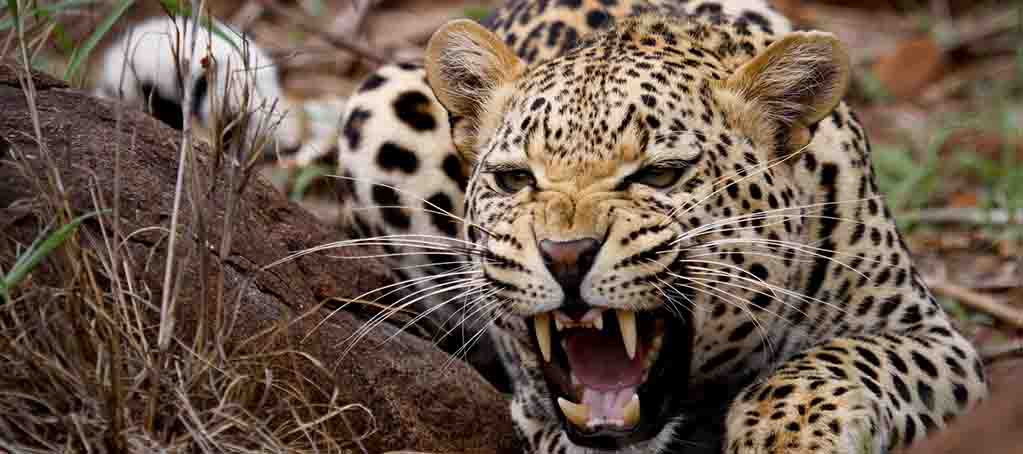
2. The Leopard’s Evolution and Ancient Origins
The genus Panthera, which includes lions, tigers, jaguars, leopards, and snow leopards, originated in Asia. Fossil evidence shows that leopards have existed since the Pleistocene period, approximately 3.5–2 million years ago. Modern leopards are believed to have evolved in Africa around 0.5–0.8 million years ago, later spreading into Asia between 0.3–0.2 million years ago.
This evolutionary history explains their remarkable adaptability to diverse climates and terrains, from the lush forests of central Africa to the snowy peaks of the Himalayas. Fossil records from East Africa and South Asia indicate that these cats have long been versatile predators, capable of surviving alongside humans and other apex predators.
Leopards’ evolutionary resilience also contributes to their global presence, making them the most widely distributed of all big cats. Unlike many other predators, leopards can survive in fragmented habitats, close to human settlements, without significant conflict—though occasional man-eating incidents have been historically documented.
3. Melanism: The Genetic Mystery Behind Black Panthers
Some leopards possess a rare genetic mutation known as melanism, resulting in what is popularly called the black panther. Melanistic leopards have an excess of dark pigmentation, which gives them their striking black coat. While still technically leopards, their dark coloring provides perfect camouflage in dense forests, especially in equatorial regions like Mount Kenya in Africa or the Malay Peninsula in Southeast Asia.
Interestingly, melanistic leopards tend to have smaller litter sizes when interbreeding, making this genetic trait less common in some populations. Their elusive nature, combined with rare sightings, has led to myth and folklore, often portraying black panthers as mystical or ghost-like creatures in various cultures.
If you’re fascinated by big cats, you can explore more about melanistic leopards on National Geographic.
4. Leopards and Human Encounters: History of Man-Eaters
While leopards generally avoid humans, there are documented cases where leopards have hunted people, particularly in India. The famous hunter and conservationist Jim Corbett chronicled several notorious man-eating leopards in his book The Man-Eaters of Kumaon. These included:
-
The Panar Leopard, responsible for over 400 human deaths.
-
The Leopard of Rupraprayag, which killed more than 125 people.
Corbett theorized that some leopards develop a taste for human flesh after feeding on corpses left in the wild during disease outbreaks. In one tragic instance, a leopard in Rupraprayag entered a goat enclosure, ignored the livestock, and attacked a 14-year-old boy sleeping nearby.
Though these incidents are rare, they demonstrate the leopard’s adaptability and opportunistic hunting instincts. Most wild leopards prefer to remain solitary and hunt wildlife, avoiding human contact whenever possible.
Learn about safety in leopard regions through the African Wildlife Foundation.
5. Leopards’ Extraordinary Physical Abilities
Leopards are renowned for their strength, agility, and stealth. Despite their relatively modest size—typically weighing between 40 and 90 kg—they are powerful hunters capable of taking down prey larger than themselves. Their bodies are more robust than those of cheetahs of similar size, allowing them to excel in dense vegetation where speed alone is insufficient.
Some of the leopard’s most remarkable abilities include:
-
Tree climbing: Leopards can haul prey weighing more than 100 kg into trees.
-
Powerful leaps: They can jump up to 6 meters horizontally and 3 meters vertically.
-
Stealth and camouflage: Their rosette-patterned coat provides perfect concealment in forests, grasslands, and rocky terrains.
-
Adaptability to terrain: Leopards thrive in deserts, mountains, rainforests, and even suburban edges.
Their versatility and strength make them one of the most successful predators in the animal kingdom. These traits, combined with their cunning intelligence, have allowed leopards to coexist with humans and other apex predators for millennia.
Conservation Status and Challenges
Despite their adaptability, leopards face numerous conservation challenges. Their primary threats include:
-
Habitat loss due to agriculture, urban expansion, and deforestation.
-
Poaching for their skin, bones, and other body parts.
-
Human-wildlife conflict in regions where leopards prey on livestock.
According to the International Union for Conservation of Nature (IUCN), leopards are currently classified as Vulnerable, with some subspecies facing higher risk levels due to restricted ranges and population declines. Conservation efforts focus on protecting habitats, reducing poaching, and promoting coexistence with humans.
Organizations like the Big Cat Initiative and the World Wildlife Fund are actively working to preserve leopard populations through anti-poaching programs, wildlife corridors, and community education.
Interesting Leopard Facts Recap
-
Adaptable Hunters: Leopards thrive in diverse environments, from rainforests to semi-deserts.
-
Ancient Origins: Their evolutionary history dates back millions of years, making them one of the most resilient big cats.
-
Melanistic Leopards: Black panthers are a rare genetic variation, mostly found in dense tropical forests.
-
Human Encounters: While usually avoiding humans, historical cases of man-eating leopards have been documented.
-
Physical Prowess: Exceptional strength, agility, and stealth make leopards top predators in any habitat.
The Leopard in Culture and Tourism
Leopards hold a special place in African culture and safari tourism. Spotting a leopard in the wild is often considered a highlight of a safari, as their elusive nature makes sightings rare and thrilling. Popular safari destinations where leopards are frequently observed include:
-
Kruger National Park, South Africa
-
Masai Mara National Reserve, Kenya
-
Serengeti National Park, Tanzania
-
Queen Elizabeth National Park, Uganda
Safaris and conservation tourism not only provide unforgettable wildlife experiences but also support leopard conservation initiatives by funding anti-poaching efforts and local communities.
Conclusion
The leopard (Panthera pardus) is an iconic symbol of adaptability, strength, and stealth. Its ability to survive in diverse habitats, hunt a wide range of prey, and coexist with humans makes it one of the most fascinating big cats in the world. From the rare melanistic black panther to the historical accounts of man-eating leopards, this species continues to intrigue scientists, conservationists, and wildlife enthusiasts alike.
Protecting these magnificent cats requires a global effort, including habitat preservation, anti-poaching initiatives, and community education. By supporting conservation programs and visiting wildlife reserves responsibly, we can ensure that leopards continue to roam Africa and Asia for generations to come.
Explore more about leopards and other Big Five wildlife through Monumental Safaris and contribute to conservation efforts today.
Related Posts