Top 10 Best-value Luxury Damaraland Lodges & Camps. One of the most beautiful areas of…
15 African Safari Photography Tips
15 Expert African Safari Photography Tips for Stunning Wildlife Shots
For many travelers, photography is one of the most rewarding parts of an African safari. From majestic lions to graceful elephants, the continent offers endless opportunities to capture once-in-a-lifetime images.
However, it’s important to manage your expectations. Those flawless wildlife shots you see in magazines often come from professional photographers who’ve spent months in the field perfecting their craft. Even so, with the right preparation and mindset, you can take incredible safari photos on your trip.
Here are 15 essential African safari photography tips to help you get started — covering everything from the best camera gear to composition, lighting, and ethical wildlife photography.
Tip 1: Choose the Right Equipment
Invest in a quality DSLR or mirrorless camera with interchangeable lenses. For wildlife photography, a telephoto lens of at least 300mm is essential for close-up shots.
If possible, carry two camera bodies — one with a wide-angle lens and another with a telephoto. Changing lenses in dusty environments can damage your sensor. For night safaris, don’t forget a reliable flash or external light source.
Recommended gear:
-
Lenses: 70–300mm or 100–400mm
-
Compact tripod or monopod
Tip 2: Stabilize Your Camera
A stable setup is just as important as the camera itself. When shooting on foot, use a tripod. Inside a safari vehicle, a beanbag rest or window mount clamp is more practical and faster to adjust.
Bring an empty beanbag and fill it with rice or beans when you arrive. This saves luggage weight and provides excellent stability. Cover your equipment with dust-proof bags or pillowcases while driving between sightings.
Tip 3: Bring Plenty of Storage
Wildlife photography means taking hundreds — sometimes thousands — of photos in one day. Bring large-capacity SD cards (64GB or more) and backup drives.
Each evening, transfer your photos to an external hard drive or cloud storage and format your cards for the next day. This routine ensures your precious safari memories stay safe.
Tip 4: Master Your Camera Settings
There are no universal settings for safari photography. Learn the relationship between shutter speed, aperture, and ISO.
-
Use fast shutter speeds (1/1000s or faster) for moving animals.
-
A wide aperture (f/2.8–f/5.6) blurs backgrounds and isolates your subject.
-
Adjust ISO depending on light conditions.
Understanding manual mode gives you creative control — essential for dynamic safari environments.
Tip 5: Focus on Composition
Technical skill is important, but so is creative composition. Pay attention to your frame edges — avoid cutting off animal limbs or treetops.
Apply the rule of thirds and watch your background for distractions. A well-composed image tells a story beyond just the subject.
Tip 6: Experiment with Angles
Don’t rely only on zoomed-in shots. Sometimes, wide-angle images that include the surrounding environment convey a stronger narrative.
Try shooting from different heights and perspectives — from the vehicle floor, through vegetation, or low to the ground — to create more dramatic images.
Tip 7: Use the Best Light
Light makes or breaks your photograph. The “golden hours” — early morning and late afternoon — provide soft, warm light ideal for wildlife photography.
Midday light can be harsh, but overcast skies act like a natural softbox, offering even lighting. Use this time to photograph animals at waterholes or in shaded areas.
Learn more: National Geographic – Lighting Tips for Wildlife Photography.
Tip 8: Focus on the Eyes
In wildlife photography, sharp eyes bring your subject to life. Use a narrow depth of field to blur the background, but make sure the eyes are in perfect focus.
Even if other parts of the animal are slightly soft, sharp eyes instantly connect the viewer to the subject’s emotion and expression.
Tip 9: Work with Your Safari Guide
Your driver-guide is your best ally. Communicate your photographic goals so they can position the vehicle for the best angles and light.
Ask to switch off the engine at sightings to prevent vibrations that blur your shots. Most professional guides will gladly accommodate serious photographers.
Tip 10: Be Patient
Great wildlife shots require time and patience. Stay longer at promising sightings instead of rushing between animals.
Waiting often leads to rare behavioral moments — a yawn, a chase, a playful interaction — that make your images truly special.
Tip 11: Capture the Small Details
Don’t limit your photography to the Big Five. Africa teems with birds, reptiles, and insects that can be just as captivating.
A walking safari or birdwatching excursion helps you appreciate these smaller wonders and adds variety to your portfolio.
Explore: Best Birding Safaris in Africa.
Tip 12: Stay Safe
Remember — no photo is worth risking your safety. Wild animals are unpredictable. Always follow your guide’s instructions and never lean out of the vehicle or approach animals on foot unless permitted.
Respecting wildlife ensures both your safety and the animals’ well-being.
Tip 13: Capture Memories, Not Just Photos
Photography should enhance your safari, not dominate it. Put your camera down occasionally and simply immerse yourself in the sounds and sights of the African bush.
These mindful moments often become the memories you cherish most.
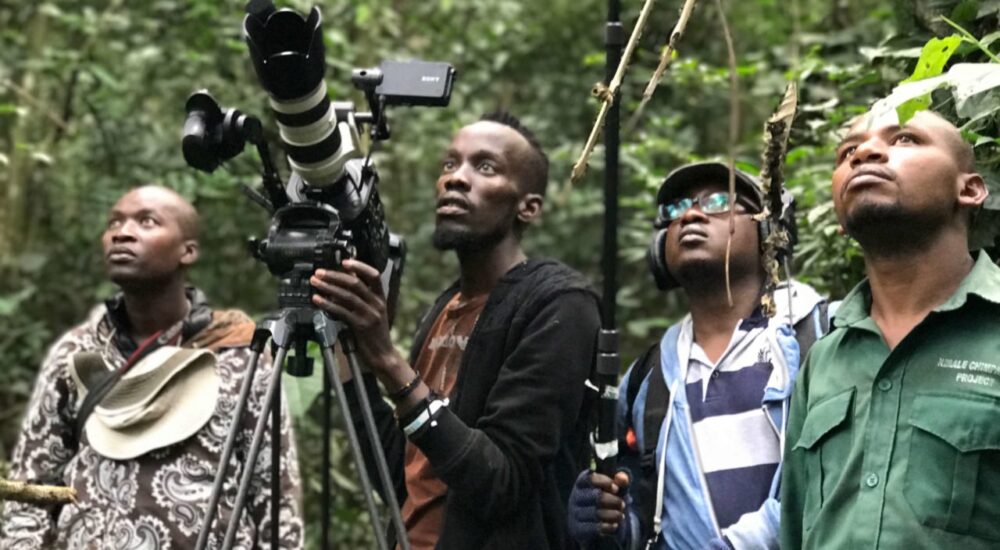
Tip 14: Photograph People Too
A safari isn’t only about animals — it’s also about the people who make it special. Photograph your guides, lodge staff, and local communities you meet along the way.
Always ask for permission before taking portraits, and engage respectfully. These images often capture the heart and culture behind your safari experience.
Tip 15: Respect Wildlife and Nature
Never disturb or provoke animals for the sake of a better shot. Avoid loud noises, whistling, or trying to influence behavior.
Ethical wildlife photography means being a silent observer. Respectful behavior keeps the ecosystem intact and enhances everyone’s experience.
Learn more about ethical travel: Responsible Travel – Wildlife Photography.
Final Thoughts
African safaris offer some of the most inspiring photography opportunities in the world — from the golden savannas of Kenya to the lush wetlands of Botswana. With patience, respect, and the right preparation, you can capture powerful images that tell your own story of Africa’s wild beauty.
Related Posts