Wildlife Safaris from UAE Africa has long been one of the most exciting wildlife destinations…
5 Fascinating Facts About Brown Hyena
5 Fascinating Facts About the Brown Hyena — Africa’s Mysterious “Beach Wolf”
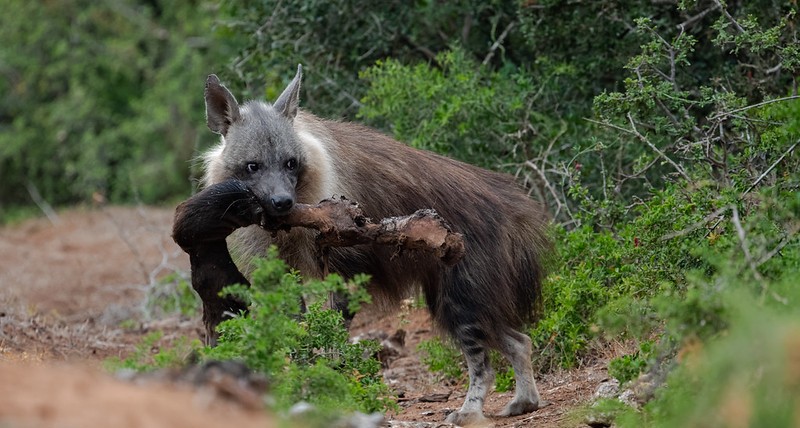
When most people think of hyenas, they imagine the loud, laughing spotted hyena of the African savanna. But far away in the arid deserts of southern Africa lives its quieter, shaggier cousin — the Brown Hyena (Parahyaena brunnea). This little-known scavenger is one of the rarest hyena species in the world and one of Africa’s most misunderstood predators.
Found mainly in Namibia, Botswana, South Africa, and parts of Zimbabwe, the brown hyena thrives in harsh landscapes where few other large carnivores can survive. Let’s explore five fascinating facts about this unique and resourceful animal — from its coastal hunting habits to its desert survival tricks.
1. Masters of the Desert: Survival in Harsh Landscapes
The Brown Hyena is most famous for roaming the Kalahari and Namib Deserts — two of the driest regions in southern Africa. These extreme environments, with their blistering daytime heat and freezing nights, might seem uninhabitable to most animals. Yet, the brown hyena not only survives but thrives here.
Each night, these solitary wanderers can travel up to 30 miles (50 kilometers) in search of food. Their exceptional sense of smell allows them to detect carcasses from miles away. Unlike lions or leopards, which rely on hunting, brown hyenas are primarily scavengers, feeding on what other predators leave behind.
You can often spot them in the Namib-Naukluft National Park and Kgalagadi Transfrontier Park, where they silently roam the dunes and dry riverbeds under the stars.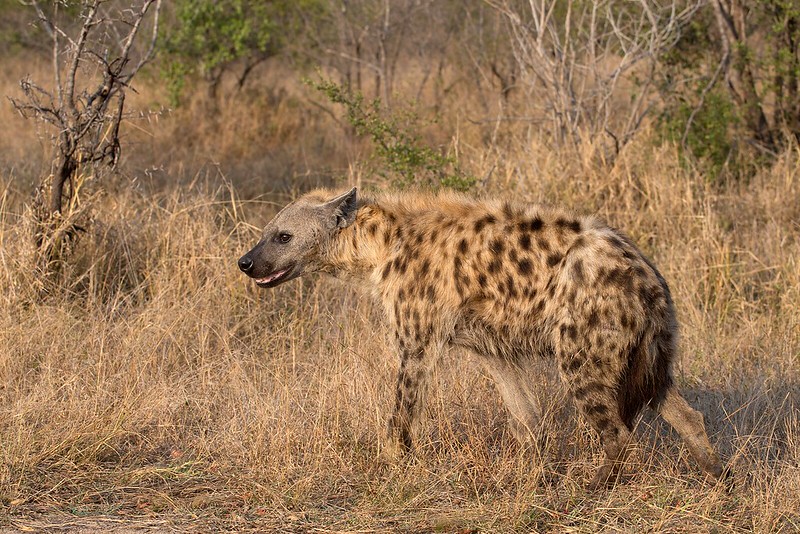
2. A Wild Mane and a Fearsome Display
While spotted hyenas have a sleek, spotted coat, the brown hyena has a long, shaggy dark-brown mane that gives it a rough, almost ghostly appearance. Its body is covered in coarse fur, with striped legs and a cream-colored neck ruff.
When threatened or during territorial disputes, brown hyenas perform a dramatic display: they raise their mane and puff out their neck fur to appear larger and more intimidating. This defensive posture, along with deep growls and howls, is often enough to scare off rival hyenas or smaller predators like jackals.
However, these encounters can get intense — it’s common to see older hyenas with torn fur or missing patches from previous battles.
3. The Ultimate Scavenger — and a Surprising Vegetarian
Though they’re primarily scavengers, brown hyenas are remarkably adaptable eaters. They’ll consume almost anything they can find, from carrion left by lions to smaller prey like rodents, birds, and insects.
But what makes them fascinating is that they also eat plant-based foods. In the Kalahari Desert, where fresh kills are rare, brown hyenas rely on desert melons and ostrich eggs to survive. These natural resources provide much-needed hydration in regions where water is scarce.
On Namibia’s Skeleton Coast, they’ve even earned a nickname — “strandwolf”, Afrikaans for beach dog. Here, they search the beaches for dead seals, washed-up fish, and even whale carcasses brought in by the tide. This coastal adaptation makes them one of the most resourceful carnivores in Africa.
4. Living Close to Humans — and Thriving
Despite their wild nature, brown hyenas are surprisingly tolerant of human presence. In some parts of South Africa, they can be found on the outskirts of farmlands, small towns, and even near cities.
In the Magaliesberg Hills, north of Pretoria, lucky visitors might spot a brown hyena trotting through the bush at dusk. These sightings show just how adaptable the species has become in the face of human expansion.
However, their close proximity to people also brings risks — including habitat loss, road accidents, and conflict with livestock farmers. Fortunately, organizations like the Brown Hyena Research Project are working to study and protect these elusive animals across southern Africa.
5. Secret Communication Through “Pasting”
One of the most fascinating facts about brown hyenas is how they communicate and mark their territories.
Instead of roaring or scent-spraying like lions and leopards, brown hyenas use a method called “pasting.” Adults release a white secretion from their anal glands and smear it onto grass stalks and rocks. This scent-mark acts like a biological signature, carrying vital information about the individual — including its identity, sex, and how recently it visited that area.
These scent marks help hyenas avoid conflicts by letting others know which territories are occupied. It’s a remarkable example of how even solitary carnivores maintain social awareness within their environment.
Bonus: Spotting the Brown Hyena on Safari
If you dream of seeing a brown hyena in the wild, your best chances are in Namibia, Botswana, or South Africa. Top destinations include:
-
Etosha National Park (Namibia) — vast salt pans where hyenas scavenge after lions.
-
Kgalagadi Transfrontier Park (Botswana/South Africa) — excellent night drives for desert predators.
-
Skeleton Coast (Namibia) — for the legendary “beach wolves.”
-
De Hoop Nature Reserve (South Africa) — where coastal dunes meet ocean cliffs.
Brown hyenas are primarily nocturnal, so dawn and dusk safaris offer the best viewing opportunities. Local guides often track them by their distinct footprints or use camera traps to monitor their movement.
Conservation Status
According to the IUCN Red List, the Brown Hyena is classified as “Near Threatened.” Its total population is estimated at around 10,000 individuals, with the largest numbers found in Namibia.
The species faces threats from poisoning, persecution by farmers, and vehicle collisions, but conservation initiatives and awareness campaigns are helping reverse the trend. Community-based programs, such as those led by Cheetah Conservation Fund and Wildlife ACT, emphasize coexistence between humans and predators.
Final Thoughts
The brown hyena may not have the fame of its spotted relative, but it plays a vital ecological role in Africa’s deserts — cleaning up carcasses, recycling nutrients, and keeping ecosystems healthy.
From its windswept Skeleton Coast haunts to the golden dunes of the Kalahari, this resilient “beach wolf” stands as a symbol of adaptability, intelligence, and survival in one of Earth’s toughest environments.
So next time you’re planning a southern African safari, keep your eyes open at dusk — you just might glimpse this elusive scavenger on the horizon, padding silently through the sand.
Related Posts