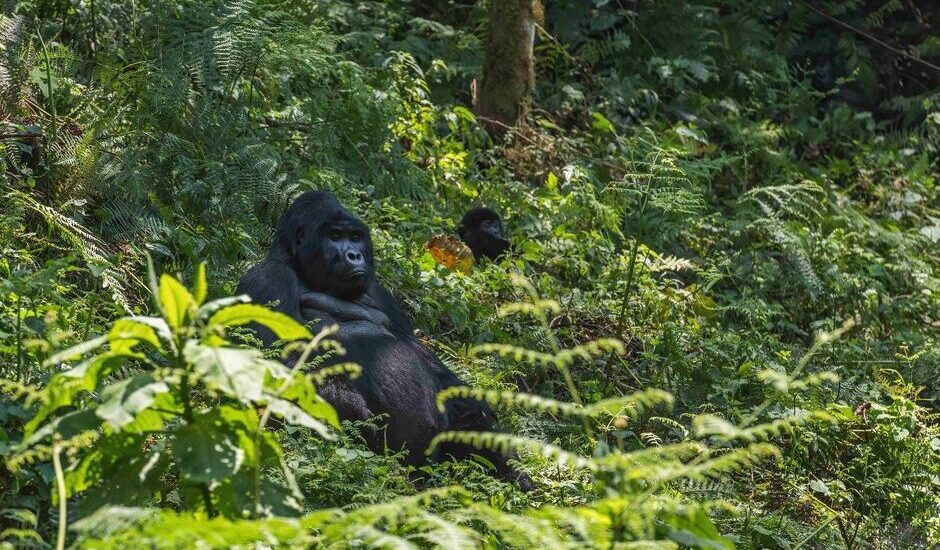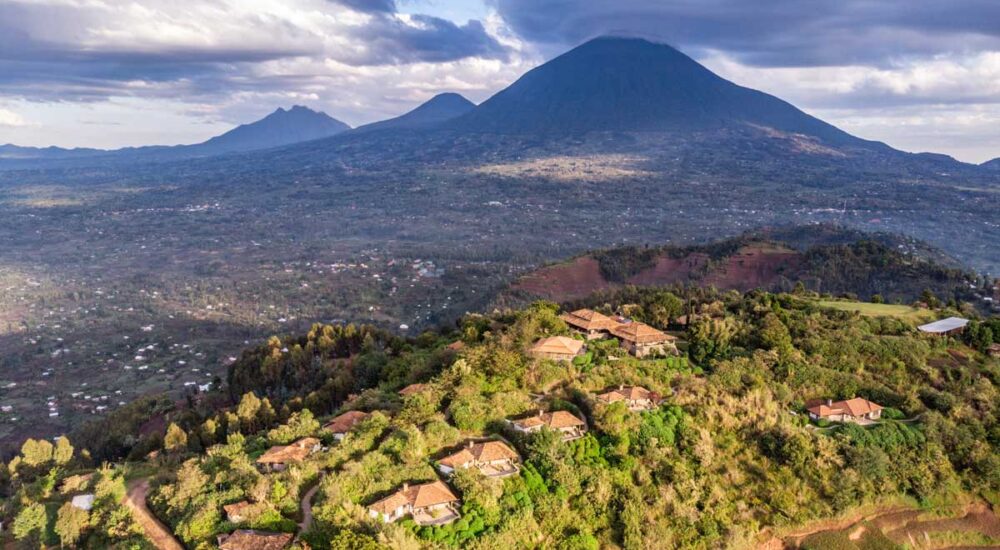
Gorilla Trekking Rwanda from Dubai: The Ultimate Luxury Safari Guide Travelers based in Dubai are…
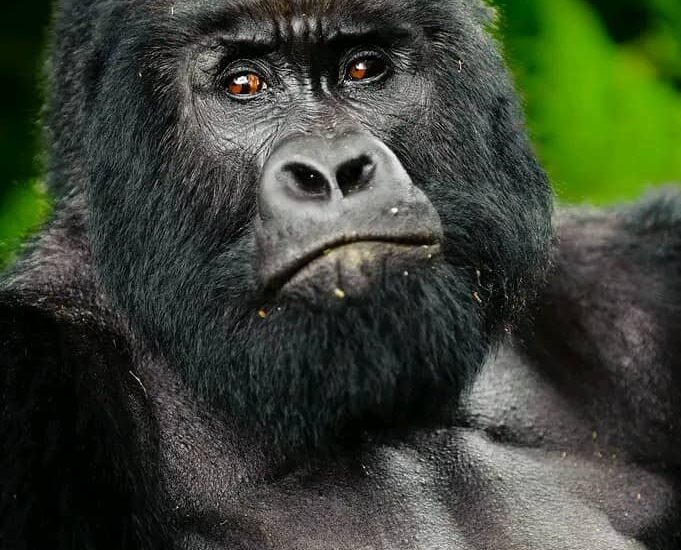
Silverback Gorillas in Africa
Silverback Gorillas in Africa: The Majestic Giants of the Jungle
When it comes to Africa’s incredible wildlife, silverback gorillas stand out as some of the most awe-inspiring creatures on the continent. These magnificent primates captivate the hearts of wildlife enthusiasts and researchers alike, thanks to their impressive size, complex social structures, and fascinating behavior. In this comprehensive blog, we will explore everything you need to know about silverback gorillas in Africa—from their habitat and social life to conservation efforts and where you can see them on safari.
What Are Silverback Gorillas?
A silverback gorilla is an adult male gorilla characterized by a distinctive patch of silver or gray hair on its back. This patch typically develops when a male gorilla reaches maturity at about 12 years old, signaling his dominance within the group.
Key Features of Silverback Gorillas
- Size and Strength: Silverbacks are the largest primates on Earth, weighing between 350 to 485 pounds (160 to 220 kg) and standing 5.5 to 6 feet tall when upright.
- Dominant Role: They act as the leader and protector of their troop, which usually consists of females and offspring.
- Lifespan: In the wild, silverbacks live approximately 35 to 40 years.
- Communication: They use a variety of vocalizations, chest-beating, and body language to communicate.
Types of Gorillas: Mountain vs. Lowland
Africa is home to two main species of gorillas: mountain gorillas and western lowland gorillas. Silverbacks exist in both groups, but their habitats and behaviors differ significantly.
Mountain Gorillas
- Habitat: Mountain gorillas inhabit the dense forests of the Virunga Mountains, which stretch across Rwanda, Uganda, and the Democratic Republic of Congo (DRC).
- Appearance: They tend to have longer, thicker fur to survive colder mountain climates.
- Population: About 1,000 mountain gorillas remain in the wild, making them endangered but stable due to conservation efforts.
- Example: The famous mountain gorilla named “Digit” helped raise global awareness for their conservation.
Western Lowland Gorillas
- Habitat: These gorillas live in the lowland rainforests of central and western Africa, including countries like Gabon, Republic of Congo, and Cameroon.
- Appearance: They have shorter, sparser hair and are generally smaller than mountain gorillas.
- Population: Approximately 100,000 western lowland gorillas exist, but their numbers are declining due to habitat loss and poaching.
- Example: Western lowland gorillas are the species often seen in zoos worldwide.
The Social Structure of Silverback Gorillas
Silverback gorillas lead complex social groups called troops or bands, usually composed of:
- One dominant silverback male
- Multiple adult females
- Their offspring
Leadership Role
The silverback serves as the troop’s leader, protector, and decision-maker. He mediates conflicts, leads foraging expeditions, and protects the group from predators or rival males.
Protection and Parenting
While the silverback isn’t the primary caregiver, he is fiercely protective. When threatened, he will charge and display intimidating behaviors, including chest-beating and loud vocalizations.
Behavior and Communication
Silverbacks are intelligent and display a rich range of behaviors:
- Chest-Beating: This is a famous display meant to assert dominance or deter threats.
- Grooming: Social grooming strengthens bonds within the troop.
- Vocalizations: Gorillas use grunts, hoots, and roars to communicate.
- Play: Young gorillas engage in playful behavior that helps them develop social skills.
Diet and Habitat
Silverback gorillas are primarily herbivores. Their diet includes:
- Leaves
- Shoots
- Fruits
- Bark
- Occasionally small insects
They thrive in dense forests rich in vegetation, which provide both food and cover.
Conservation Status and Challenges
Despite their majesty, silverback gorillas face numerous threats:
- Poaching: Gorillas are targeted for bushmeat or captured illegally for the pet trade.
- Habitat Loss: Deforestation and human encroachment shrink their living space.
- Disease: Gorillas are susceptible to diseases like Ebola and respiratory infections.
- Political Instability: Regions like the DRC suffer from conflict, complicating conservation efforts.
Conservation Success Stories
- Rwanda’s Volcanoes National Park runs successful gorilla trekking programs that fund conservation.
- Organizations like the World Wildlife Fund (WWF) and the Jane Goodall Institute support habitat protection.
- Community involvement has reduced poaching and promoted eco-tourism.
Gorilla Trekking: Where and When to See Silverbacks in Africa
One of the most unforgettable wildlife experiences is a gorilla trekking safari. It offers a chance to see silverback gorillas in their natural habitat, observing their social behavior up close.
Best Places for Gorilla Trekking
- Bwindi Impenetrable Forest National Park, Uganda
Home to over half of the world’s mountain gorillas, Bwindi offers exceptional trekking experiences with expert guides. - Volcanoes National Park, Rwanda
Known for its well-organized gorilla permits, this park is where Dian Fossey conducted her famous research. - Virunga National Park, Democratic Republic of Congo
Despite political challenges, Virunga remains a vital gorilla habitat and offers a rugged trekking experience.
When to Go
Gorilla trekking is a year-round activity, but the dry seasons (June to September and December to February) are preferred for easier hikes and better trail conditions.
Tips for an Ethical and Enjoyable Gorilla Safari
- Always follow your guide’s instructions to avoid disturbing the gorillas.
- Maintain a safe distance (usually about 7 meters) to protect gorillas from disease.
- Use quiet voices and avoid sudden movements.
- Limit your viewing time to one hour per group to minimize stress.
- Support local communities by choosing eco-friendly tour operators.
Fascinating Gorilla Facts You Didn’t Know
- Silverbacks have unique nose prints, much like human fingerprints.
- They build new nests every night from leaves and branches.
- Gorillas can catch human colds and flu, which makes close contact risky.
- Despite their strength, they are mostly gentle herbivores.
- Gorillas share about 98.3% of their DNA with humans.
Conclusion: The Enduring Symbol of Africa’s Wild Spirit
Silverback gorillas represent the power and fragility of Africa’s wildlife heritage. Observing these majestic giants in the wild is a life-changing experience that deepens our understanding of nature’s complexity and the urgent need to protect it.
Whether you’re a seasoned safari traveler or a wildlife enthusiast dreaming of Africa, the silverback gorilla offers a profound connection to the continent’s wilderness — one full of wonder, respect, and hope for future generations.
Plan your trip, today!
Related Posts